

The Rise of Neo: A Humanoid Robot with Limitations
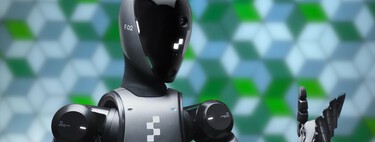
Meet Neo , a humanoid robot that stands at 5’6″ and weighs a mere 30kg . Dressed in beige work overalls, Neo moves in a rather slow and clumsy manner. While it’s touted as one of the most advanced humanoid robots globally—boasting a price tag of $20,000 —Neo has a significant limitation: it is not fully autonomous. Instead, it is controlled by a remote human operator, resembling a high-tech puppet more than a self-sufficient being.
The Journey So Far
Just a year ago, 1X , the company behind Neo, proudly announced the commencement of real-world testing. The earlier version, Neo Beta , demonstrated an autonomy of up to four hours, featuring sensors designed to enhance its “embedded learning” system. Back then, the reliance on a teleoperator for instructions was already evident. This dependency raises questions about the current state of robotics and its potential future.
The Robot-Puppet Dynamic
The teleoperator is crucial to Neo’s operations. This robot, much like its predecessors, cannot function independently but is manipulated through mixed reality glasses and controls. A recent article in The Wall Street Journal highlighted how Neo falls short of the futuristic vision many have for robotics. The clumsiness displayed by Neo during basic tasks—like opening a refrigerator or placing glasses in a dishwasher—clearly illustrates that the dexterity of these machines still lags far behind humans.
Privacy Concerns Arising from Automation
Another glaring issue is privacy. Using Neo requires users to permit the teleoperator to access the robot’s cameras, effectively allowing someone into their home. 1X’s CEO, Bernt Børnich , emphasized in his interview that owning Neo is a social agreement . While being transparent about the need for data to improve the system, he reassured users that they would retain control over privacy features, such as establishing forbidden zones or obscuring faces during transmissions.
Learning from Experience
The data gathered during these operations is vital for Neo’s neural network system . Each time it attempts to perform household tasks, the robot learns and adapts. This approach mirrors what’s happening with Tesla’s fleet , which enhances its autonomous driving capabilities through extensive data collection. Although it’s promising, the current reality is that Neo mirrors more of a classroom student than an assertive adult capable of completing tasks independently.
Security Features and Assessments
In an environment as intimate as the home, security concerns are paramount. Neo, marketed as “probably safe,” is designed to minimize risks associated with its lightweight build, ensuring that it won’t be a danger to occupants in case of a malfunction.
Looking Ahead: A Promising Yet Daunting Future
Børnich promises that by 2026 , Neo will evolve to conduct many household tasks autonomously. However, he candidly acknowledged the potential for initial outputs to yield limited quality. This evolution mirrors the rapid improvements seen in AI-generated images and videos, suggesting that enhancements in humanoid robotics are within reach, albeit with a steep learning curve.
Unfulfilled Promises in Humanoid Robotics
Neo serves as a compelling example of how the promise of robotics often falls short of reality. Despite significant investment, experts like Yann LeCun , a prominent figure in AI at Meta, recently remarked that the companies pouring resources into these technologies often lack a clear strategy for making them genuinely useful. As the robotics industry advances, it becomes crucial to navigate the challenges ahead and crush the unrealistic expectations that frequently surround it.