
The Lemon Frost Gecko: A Uniquely Valuable Model for Cancer Research
Introduction to Lemon Frost Geckos
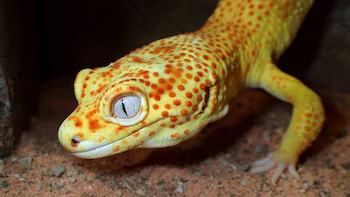
The lemon frost gecko, a unique genetic variant of the leopard gecko, showcases a striking white and yellow coloration due to a spontaneous mutation. This visually appealing creature, however, carries a dark secret: approximately 80% of lemon frost geckos develop skin tumors. Understanding these tumors is now opening avenues for significant cancer research.
Natural Tumor Development
Unlike typical laboratory mice, which require artificial induction of tumors, lemon frost geckos develop skin tumors—termed iridophoromas—naturally and with alarming speed. Researchers from the United Kingdom, Italy, and the USA have found that the genetic alterations in these geckos mirror some of the processes seen in human cancer, providing clues for further study.
Research Institutions Involved
A collaborative study involving esteemed institutions such as the University of Nottingham, University of Birmingham, Marquette University, University of Florida, and University of Trieste was published in the journal BMC Biology. This multi-national effort aims to shed light on the genetic landscape of these geckos and their predisposition to developing tumors.
Genetic Insights into Cancer
About eight out of ten lemon frost geckos experience recurring tumors throughout their lives. These tumors can reappear even after surgical removal, which is unusual compared to other reptiles, like turtles, where cancer is relatively rare. This anomaly has sparked inquiries into the genetic diversity of the lemon frost gecko and whether it contributes to their increased vulnerability.
Tumor Analysis Methodology
The researchers conducted thorough analyses by comparing tumor DNA with healthy tissue DNA from the same gecko. They aimed to identify genetic changes unique to the affected areas. The team looked for recurrent mutations, gene fusions, and changes in genetic material, striving to delineate the mechanisms for tumor formation and growth.
Findings on Tumor Composition
The study’s genetic investigations demonstrated that the tumors contained 30% to 36% affected cells and displayed a mutational burden comparable to that found in human cancers. They identified notable shared mutations, including a point mutation in the TBP gene and a fusion between the IARS1 and RNF213 genes.
Implications for Cancer Research
The lemon frost gecko stands out as an invaluable model for cancer research, capable of illuminating how specific mutations lead to tumor development. Despite certain limitations, like the small sample size, the study lays a robust genomic foundation for future investigations. Researchers anticipate that expanding specimens and employing single-cell sequencing could further enhance the understanding of these tumors.
Final Thoughts
As emphasized by Brandon Hastings, one of the co-authors of the study, this research highlights the necessity of exploring a diverse range of biological entities to find answers relevant to serious human health issues like cancer. The lemon frost gecko could be a pivotal cog in the search for innovative cancer treatments and improved understanding of tumor biology.
By harnessing this unconventional model, we could potentially unlock new insights that have the power to impact human cancer research profoundly.