
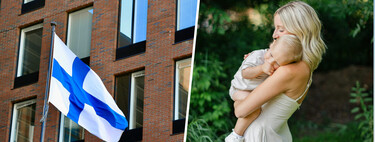
Finland’s Vigilance: A Historic Approach to National Defense
Finland has learned to live on alert throughout its history. During the Cold War, flying trees were even invented to mislead the Soviets. Since the conflict between Russia and Ukraine erupted in 2022, the looming threat of a potential Russian invasion has resurfaced, sparking renewed concerns within the Nordic nation.
The Role of NATO in Ensuring Security
In December 2025, NATO Secretary General Mark Rutte warned EU allies of a potential Russian attack in the coming five years. Situated on the front lines, Finland recognizes its unique position and has proactively involved its entire population in defense strategies. This commitment extends beyond military forces, permeating every segment of society.
The Nordic Total Defense Model
Finland, along with Sweden, Norway, and Denmark, has implemented the total defense model for decades. This framework asserts that defense is a communal responsibility, not just a military one. Constantly active, it encompasses training, drills, and contingency plans for various threats, including cyberattacks and sabotage.
Finland’s Robust Defense Infrastructure
Among Nordic countries, Finland stands out for having the most developed defense system. Unlike Denmark, which has largely dismantled its defense structure, Finland’s vigilance has not waned since the Cold War. According to an official report, comprehensive security remains foundational to Finnish resilience.
The Impact on Everyday Life
Strategic Reserves in Supermarkets
A clear illustration of how total defense operates at all societal levels can be found in Finnish supermarkets. These stores are mandated to maintain strategic reserves of essential products like flour, sugar, and oil. They store these supplies in cellars or underground bunkers equipped with emergency generators.
This proactive measure ensures that, regardless of the situation, vital supplies remain available to the population. Leading supermarket chains like Group S and Kesko, which dominate over 80% of food retail in Finland, actively participate in preparation committees and conduct drills alongside government officials as reported by the BBC.
Challenges and Social Cohesion
While preparing for war during conflicts is common, maintaining readiness during peacetime presents challenges. The Nordic approach necessitates collaboration between civilian and military spheres, raising questions about whether a democratic society can function cohesively as a defense system without resorting to authoritarianism.
According to psychologist Jennifer De Paola from the University of Helsinki, two crucial pillars underpin this model: institutional trust and high levels of social equality. Finland’s low corruption rate—ranking second in the Corruption Perception Index—illustrates this stability, contrasting sharply with other nations.
Social Mindset and Preparedness
The concept of a looming war evokes anxiety, impacting the emotional stability of Finnish citizens. However, this culture of preparedness is ingrained from childhood. Surprisingly, when children aged 10 to 12 were asked to draw happy individuals, their artworks depicted happiness as synonymous with security. This highlights decades of socialization where collective security is a deeply internalized value.
In conclusion, Finland’s unique model of total defense exemplifies how a society can remain vigilant, cooperative, and prepared against potential threats, all while maintaining democratic principles.