
Back to School: Choosing the Right Tablet for Your Academic Needs
As September rolls in, students across the globe prepare to return to their studies. Regardless of the academic path one takes, having the right tools can significantly enhance productivity and performance. Traditionally, the laptop has been a staple for many, yet the tide is shifting in favor of tablets. Tablets have emerged as a robust alternative , capable even of surpassing laptops in certain scenarios. In this article, we explore three leading contenders in the tablet market: the Xiaomi Pad 7 , Honor Pad 10 , and Lenovo Idea Tab Pro , which provide excellent options for students aiming to maximize their budget while meeting academic demands.
Our review channel, Xataka , has kicked off an enlightening series called Versus , where they compare various devices to reveal the best overall performing products. Ana Boria, a tech expert, recently conducted a hands-on review of these three competitive tablets, each priced around 350 euros . Her evaluation focuses on whether this budget suffices for academic needs. Ana emphasizes key elements essential for students: a durable battery that can last a full day of classes, various storage options, and adequate processing power backed by sufficient RAM .
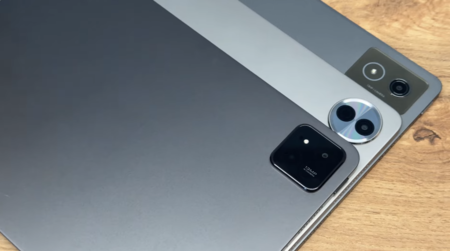
</div>The comparison illustrates distinct differences despite similar pricing. The screen size stands out as an initial focal point. Ana notes, “For handheld use, the most manageable tablet is the Xiaomi . However, my experience with the other two was more critical as one felt excessively large while the other weighed more than anticipated.”
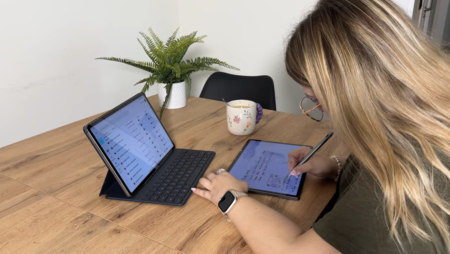
However, once placed on a table, each device showcases its strengths. “When utilizing a keyboard or stylus on a desk, all three tablets prove to be very comfortable. Extra inches make reading and writing significantly more enjoyable,” she adds. Furthermore, entertainment capabilities also make these devices appealing, catering to varied user preferences.
Ana further explores the display quality of the tablets. “Each device features high-quality LCD screens with impressive resolution, excellent detail, and vibrant color reproduction that helps reduce eye strain.” However, it’s crucial to acknowledge differences in resolution and refresh rates, which can affect user experience. For a deeper understanding, check out the full comparison in our latest video.
</div>Inspecting sound quality , camera features, and overall performance is another vital part of Ana’s analysis. Although the Xiaomi’s tablet processor shows the most promise on paper and in Benchmarks , all three models perform exceptionally well in real-world usage, without any glitches during work sessions or leisure activities.
In an academic environment , the choice of accessories can notably influence productivity. Ana stresses, “For me, a keyboard is an essential accessory. If you plan to use the tablet for taking notes in class, it’s undoubtedly the most efficient way to work. I personally found myself longing for one while using the Lenovo model.”
<img alt="Microsoft Surface Pro 12" width="375" height="142" src="https://i.blogs.es/411314/surface-pro-12-review-xataka-portada-final/375_142.jpeg"/>The comparison also addresses aspects such as battery life and potential artificial intelligence functionalities. After meticulously reviewing all characteristics, there emerges a clear winner . To find out which tablet takes the crown, check out our latest Versus episode. Your feedback is always welcome; feel free to share your thoughts in the comments, both here and on our YouTube channel .
Images | Xataka
In Xataka | Samsung Galaxy Tab S11 and S11 Ultra: The new S Pen is the star of armed tablets to teeth