
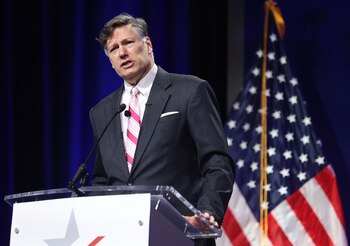
The US Congratulates Kast for His Victory in the Chilean Presidential Elections
The recent electoral victory of José Antonio Kast in Chile’s presidential elections marked a significant moment in bilateral relations between Chile and the United States. With the U.S. State Department expressing its congratulations, it highlights a renewed commitment to cooperation and partnership across various sectors.
Diplomatic Ties: Historical Context
Christopher Landau, a U.S. State Department representative and descendant of a prominent diplomatic family in Chile, emphasized the nearly two-century-long relationship between the two nations. This legacy sets the stage for continued collaboration, especially in light of Kast’s election. The U.S. media noted that this electoral win signifies a new phase of exchanges and agreements between both governments, particularly in trade and security.
U.S. Recognition and Support
The White House and key U.S. officials, including Secretary of State Marco Rubio, swiftly acknowledged Kast’s victory. Rubio’s remarks on social media underlined Washington’s eagerness to enhance ties in both trade and security, marking these as key priorities for the upcoming period. This robust attention reflects the U.S. recognition of the electoral process in Chile and a commitment to strengthening diplomatic relations.
The Electoral Landscape
Kast, representing the Republican Party, secured 58.61% of the votes, far surpassing his opponent Jeannette Jara, who garnered 41.39%. This decisive victory has drawn international attention, interpreted as a reflection of Kast’s emphasis on public order and security—issues that dominated the electoral discourse. His proposals resonated with voters, particularly in a climate of growing concern regarding public safety.
Security and Governance: Key Themes
Kast’s campaign focused heavily on security, promising stricter measures to address national challenges. Analysts note that this emphasis provided a stark contrast to the more progressive agenda promoted by Jara. Public anxiety regarding internal security seems to have played an instrumental role in his electoral success, guiding citizen support towards Kast’s platform.
The Tradition of Cooperation
The Landau family, with historical ties to U.S.-Chile relations, serves as an example of the longstanding partnership between the two nations. Christopher Landau referenced figures like George W. Landau, who contributed to diplomatic relations in significant ways. This historical backdrop underscores the importance of maintaining robust bilateral cooperation and recognizing the integrity of Chile’s electoral processes.
Shifts in Chilean Politics
Kast’s political history, particularly his support for Augusto Pinochet during the 1988 plebiscite, has emerged as a focal point in understanding his recent success. This context is crucial for analyzing the shift in Chile’s political landscape, especially in terms of voter priorities that have evolved dramatically since the country’s transition to democracy.
Future Prospects for U.S.-Chile Relations
Diplomatic sources suggest that Kast’s election may lead to deeper collaboration in strategic areas such as trade agreements and regional security initiatives. Both Landau and Rubio reiterated the necessity of consolidating these fronts, with the expectation of a more structured bilateral agenda under Kast’s leadership.
Conclusion: A New Chapter
Overall, the United States views Kast’s victory as a pivotal opportunity for both nations. The emphasis on strengthening commercial, political, and security ties suggests a promising trajectory for future cooperation. As both countries explore this renewed partnership, the focus will likely remain on addressing shared challenges and prioritizing mutual interests that have historically defined their relationship.