
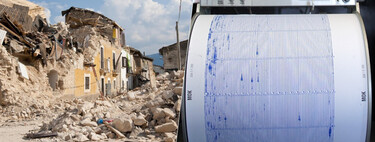
The Tsunami Risk in Cádiz, Spain
Although tsunamis are often associated with the coasts of Japan, they pose a legitimate threat to Spain as well. Cádiz, in particular, is recognized as one of the areas with the highest likelihood of enduring such an event. Recent actions by local authorities underline the necessity to ensure the readiness of emergency and response systems for potential tsunami scenarios.
Emergency Preparedness Drills
In mid-November, Cádiz conducted a large-scale drill mobilizing the ES-Alert system, several schools, and all emergency services. This simulation aimed to assess the efficiency of emergency protocols in the event of a tsunami. Given Cádiz’s history and its position within the seismic landscape of the Azores-Gibraltar region, there is a vital need for such preparedness.
Historical Context and Geological Evidence
Geological records reveal that at least five significant tsunamis have struck the Gulf of Cádiz in the last 7,000 years. Each was linked to megaearthquakes along the plate boundary between Africa and Eurasia. A notable historical event was the catastrophic tsunami occurring after the Lisbon earthquake of November 1, 1755, which flooded Cádiz and parts of the Andalusian coast with towering waves.
According to scientific research from CSIC and various universities, the recurrence interval for these tsunamis ranges from 1,200 to 1,500 years. This timeline is significant, allowing society to forget the threat but is also too short to be ignored in risk management planning.
Addressing Perceived Risk
Despite the historical context, the perceived risk of tsunamis in the southwest of the Iberian Peninsula has been notably low. Efforts to study geological layers of sand and marine remains provide insight into the frequency and severity of past events, albeit within an approximate timeframe.
Recent Developments in Tsunami Preparedness
The recent drill and increased recognition of tsunami risk highlight a turning point in how authorities approach this threat. The Basic Planning Guideline for Civil Protection Against the Risk of Tsunami, published in 2015, identifies the Gulf of Cádiz as a critical area where expected wave heights exceed 0.5 meters. This guideline establishes a comprehensive framework for decision-making based on earthquake magnitude and location, including protocols for alerts and response.
Simulating Disaster Scenarios
In the recent simulation, an earthquake of approximately 7.5-7.6 magnitude was modeled off the southwest coast, mirroring the conditions of the 1755 Lisbon earthquake. Models predicted a tsunami arrival time of 45 to 60 minutes after an alert, which forms the timeframe Civil Protection operatives work within.
The drill aimed to maximize the efficacy of emergency procedures—horizontal evacuations to non-flood areas, vertical evacuations to upper floors, and rescues along beaches and ports were all tested. Although these procedures existed in manuals, the simulation was crucial to understanding how a city like Cádiz would respond to such a crisis during a busy workday.
Conclusion
Cádiz is at the forefront of tsunami preparedness in Spain. By acknowledging the geological evidence and implementing effective response strategies, local authorities are taking essential steps to protect lives and cultural heritage. The drill serves as a reminder of the potential risks that lie beneath the surface and reinforces the importance of being always prepared.