
Political Tensions Rise in Navarra Amid Corruption Allegations
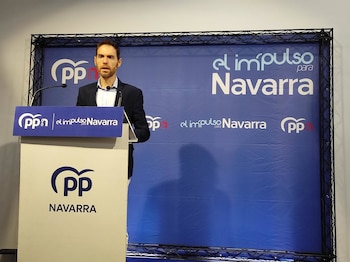
Recently, the political landscape in Navarra has become increasingly tumultuous, primarily due to allegations of corruption surrounding key political figures. Sergio Sayas, a deputy from the People’s Party (PP), has alleged that a collusion exists between Basque nationalist parties, Bildu, Geroa Bai, and the Socialist Party of Navarra (PSN) aimed at “covering the corruption of Santos Cerdán.” Sayas is calling for the president of Navarra, María Chivite, to testify before the Senate regarding these claims, especially after she declined to appear in the regional Parliament.
Call for Accountability
Sayas argues that the investigative efforts in the Navarrese Parliament are futile without significant testimonies, notably from Chivite and former president Uxue Barkos. He has voiced his concerns about the lack of transparency, stating, “If Chivite and Barkos do not appear, it is better that this commission closes.” This sentiment underscores a broad demand for accountability among public officials regarding public works awards that are alleged to involve corruption. Through this lens, Sayas asserts that Chivite has circumvented the necessary accountability by refusing to testify, thereby undermining trust in public institutions.
Unpacking the Allegations
The heart of this scandal revolves around millions of euros allegedly awarded to companies linked to Santos Cerdán. Sayas contends that both Chivite and Barkos not only failed to provide explanations for these awards but also actively participated in a system that benefits these companies. “You do not award works directly,” Sayas noted, “but you are responsible for a government that has awarded millions of euros to companies involved in corruption.” This perspective raises critical questions about the ethical implications of such awards in public works.
Mockery of Democratic Institutions
Sayas describes the refusal of Chivite and Barkos to appear before the investigative committee as “mockery” toward the citizens of Navarra. He branded their actions as an “exercise of cynicism,” emphasizing that instead of respecting and strengthening public institutions, they contribute to a culture of impunity where ethical lines are blurred. This trend, he argues, not only erodes public trust but also endangers the integrity of democratic governance.
Documentation and Transparency Challenges
In his critique, Sayas highlighted that the PP had faced hurdles in accessing critical documents related to the ongoing investigations, including details of meetings involving Santos Cerdán and other public officials. “We are being denied access to especially important documentation,” he stated. This lack of transparency raises alarms about the measures in place to ensure accountability in government.
Sayas articulated frustration over the continued obfuscation regarding public contracts, especially where they intersect with the alleged corruption involving Cerdán. He criticized what he views as a deliberate effort by EH Bildu and their allies to “hide participation” in decisions that led to questionable contract awards.
Political Implications and Community Reactions
The growing tension within Navarra’s political framework has drawn varying responses from the community. Many constituents express disillusionment with the political class, feeling their voices are stifled by what they perceive as collusion among powerful entities. The citizens of Navarra are demanding transparency and comprehensive investigations, hoping that actions taken will restore their faith in local governance.
The discourse surrounding the corruption allegations serves as a wake-up call for many to reflect on their electoral choices. As the investigation deepens, grassroots movements advocating for cleaner politics are likely to gain traction, emphasizing accountability and ethical governance.
Amidst this backdrop, Sayas’s assertions reflect a sentiment that resonates deeply among segments of the public: the need for politicians to confront their responsibilities head-on. As the political drama unfolds, the implications for both national and regional governance are profound.
Requesting for substantial evidence and open discussions about financial transactions and public trust are becoming increasingly common calls. With pressure mounting on political leaders, the message is clear: the people of Navarra demand accountability.
The deepening scandal is a reminder that in a democracy, elected officials must be not just representatives, but accountable to those who placed their trust in them. The ongoing investigations serve as an essential stepping stone towards a more transparent political environment, one that prioritizes the needs and rights of its citizens.