
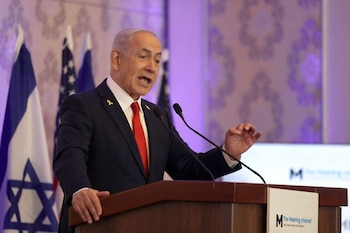
The Israeli Prime Minister Benjamin Netanyahu has recently made significant statements regarding Israel’s military objectives in the Gaza Strip. He affirmed that Israel intends to take military control of the entire Gaza Strip, but he added that it does not plan to keep it nor govern it permanently. This announcement signals a pivotal moment in the ongoing conflict and raises numerous questions about the future of the region.
In an exclusive interview with Fox News, Netanyahu stated, “We intend to take control of the 42 kilometers long Gaza enclave, but we don’t want to keep it. We want to have a security perimeter. We don’t want to govern it.” This distinction is crucial as it emphasizes Israel’s focus on security rather than territorial ambitions. His objective, as he articulated, is to deliver Gaza to Arab forces that can effectively govern it without posing a threat to Israel. He expressed hope for a future where the inhabitants of Gaza can lead a good life under stable governance.

Earlier, during conversations with CNN-NEWS18, Netanyahu also dismissed the concept of a Gaza Annexation. He indicated that, after the ongoing conflict concludes, the enclave will be administered by a yet-to-be-defined “transition government body.” This notion of governance creates a path forward, albeit one that lacks clarity and certainty for Gazans and Israelis alike.
Notably, the central objectives outlined by Netanyahu remain: the total dismantling of Hamas and the unconditional release of all hostages still being held by the militant group. He was quoted saying, “The war could end tomorrow if Hamas lays down its weapons and releases the hostages.” This statement reflects an urgent call for action and resolution on both sides.
Meanwhile, the Israel Security Cabinet is set to convene to discuss a potential large-scale military occupation of Gaza in the coming days. Such deliberations will likely shape the next steps in Israel’s military strategy as they seek to assert control over the area.
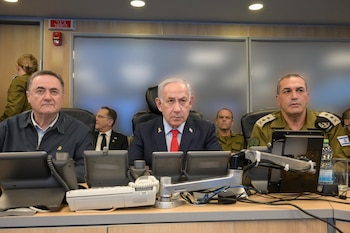
The Chief of the General Staff of the Israeli Army, Eyal Zamir, has indicated that the ongoing operation—dubbed “Gideon’s Cars”—is nearing its end, having achieved its military objectives since its inception in mid-May. Zamir’s remarks come at a time of growing tension between the military and Prime Minister Netanyahu regarding the plans for full control of the Gaza Strip, a notion the military has categorically rejected.
Zamir stated, “We have met and even exceeded the objectives of the operation. We continue to act to guarantee long-term security for the communities of the south.” His confidence in military capabilities reflects the prevailing sentiment within the armed forces, emphasizing their role in shaping security policy moving forward.
Critically, Zamir pointed out that the military has “the ability to create a new security reality next to the border”, while also indicating that the army will not limit its responses to threats. This assertiveness signals a commitment to prioritizing long-term security over political considerations, which is a vital aspect of Israel’s military doctrine.
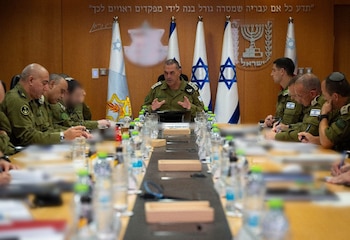
Zamir emphasized that the military must express its positions honestly, stating, “A culture of disagreement is an inseparable part of the history of the people of Israel”. This commitment to candid communication underscores the need for transparency and collaboration between military and political bodies, especially as the security cabinet meets to discuss future plans for Gaza. Tensions have surged recently, and reports suggest that if Zamir opposes Netanyahu’s plans for occupation, he may resign.
As the situation continues to evolve, the challenges facing both military and political leaders are immense. The implications of their decisions will not only affect Israel’s security landscape but also the lives of Gazans and the broader Middle Eastern geopolitical context.