
The Impossible Movie: A Journey into Chaos
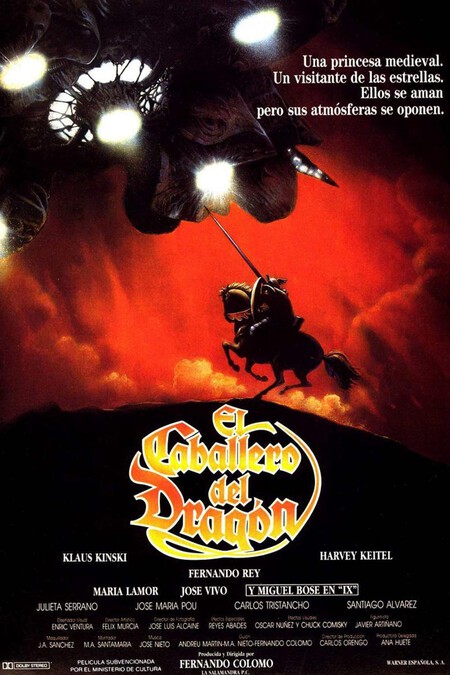
In the mid-1980s, Spanish cinema was struggling to find its footing in a landscape dominated by Hollywood giants like Spielberg, Lucas, and Ridley Scott. The notion of creating a science fiction blockbuster seemed outlandish, particularly in a film industry focused on modest comedies and dramas. Yet, director Fernando Colomo dared to dream big with his ambitious project, The Dragon Knight.
A Grand Vision
Colomo’s vision was a medieval science fiction epic featuring aliens, castles, and special effects—an undertaking that would require the largest budget in Spanish cinema history at the time. The film’s chaotic nature quickly became its defining feature, leading to its initial status as a spectacular failure. However, decades later, it would be recognized as a cult classic, even gaining acclaim from filmmaker Quentin Tarantino.
Spinning a Story of Fantasy and Chaos
The plot of The Dragon Knight interwove elements of medieval fantasy and humor, beginning with a spaceship mistaken for a dragon. It followed a silent alien (played by Miguel Bosé) who accidentally kidnaps a princess, leading to unexpected romantic entanglements. The Dragon Knight appeared as a mix of the myth of Sant Jordi and Close Encounters of the Third Kind, setting the stage for an unforgettable cinematic experience.
A Budget Surpassing Expectations
Colomo had seen success with the comedies of the Madrid Movida but now aimed for an unprecedented spectacle, pouring over 300 million pesetas into the project. While impressive sets and pioneering digital effects were created, the Spanish film industry was ill-prepared for such a monumental task.
Fractured Relationships and Filming Woes
The casting brought together notable talents like Harvey Keitel, who was at a low point in his career, and Klaus Kinski, whose notorious on-set temper became the stuff of legend. The atmosphere was rife with tension, as Kinski frequently insulted crew members and demanded more money, turning any delay into a tirade. In fact, he famously shouted, “What a shitty movie!” leaving an indelible mark on the production.
Logistical Disasters
Filming was marred by constant rain, delays, and logistical nightmares. An extra almost drowned during a lake scene due to the weight of his armor, while the crew struggled with frequent material transport issues. By the end of production, the project’s initial grand ambition had devolved into a chaotic experience likened to a suicide expedition.
From Failure to Cult Classic
Upon its release in 1985, The Dragon Knight faced harsh criticism, described as a botched fantasy film. Despite becoming the seventh highest-grossing Spanish film of the year, it could not recover its exorbitant budget. Colomo found himself 50 million pesetas in debt, ultimately leading him to a more successful future by writing The Joyful Life.
Rebirth Through Nostalgia
Over the years, the film evolved from a historical blunder into a cherished cult classic. Its unique blend of genres and chaotic execution intrigued viewers, leading to its restoration in 4K years later. A conversation with Tarantino highlighted its newfound status, allowing The Dragon Knight—once deemed a failed experiment—to thrive as an eccentric relic of Spanish cinema’s audacious ambitions.