
Carl Pei, co-founder and CEO of Nothing, stands out as a visionary in the technology industry. During a recent interview, Pei’s warmth and charisma shone through as he shared his company’s mission to bring creativity and fun back to technology. Dressed casually in a cowboy shirt, he exudes a blend of nostalgia for his past endeavors, especially CyanogenMod, while firmly focusing on the future.
Pei’s previous venture, OnePlus, was known for its innovative approach, famously selling devices through an invitation-only system. In contrast, Nothing aims for a broader and more design-centric approach, encapsulated in their slogan: “Make Tech Fun Again.”
Looking Up
Nothing launched its first device, the Phone (1), aimed at the mid-range market, followed by the Phone (2), which upped the ante with enhanced specifications. The company plans to release the upcoming Phone (3) in 2025, set at a price of €799, targeting the high-end segment. This begs the question: why venture into the upper echelons of the market?
Pei articulates that both the Phone (1) and Phone (2) were considered flagships for them. He emphasizes that “a flagship is the best mobile you can make.” This marks a pivotal moment for Nothing , a stage where they feel equipped to compete with market leaders.
While targeting a high-end niche can be risky, Nothing is undeterred. Their focus is not on volume but instead on capturing the interest of “the most creative users.” However, this raises a crucial query: Can a company truly achieve profitability and sustainability while catering to a niche market?
“We focus on new generations of consumers. Our target demographic is interested in technology, design, and creativity. The average age of our consumer is around 26.”
Success is evident, as Pei reveals that their business has seen exponential growth, surpassing $1 billion in accumulated sales. They have plans to double their investment in software to enhance their brand further.
With significant investments backing them, the company’s investors play an active role in decision-making, which adds a layer of accountability—even if it can be uncomfortable at times.
“It can be awkward when investors voice their opinions in front of our team. However, staying connected to this base is crucial, especially as we grow. It can be challenging to accept uncomfortable truths, but we always have a pulse on what people require from us.”
The Present
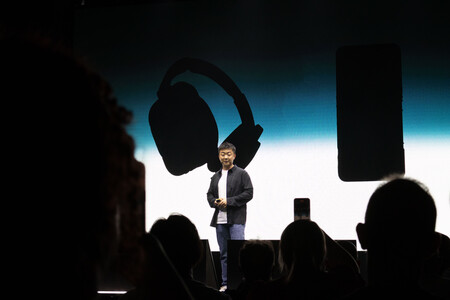
<span>Carl Pei during the presentation of Nothing Phone (3) and the Nothing Earphone (1). Image | Xataka</span>With the introduction of the Nothing Phone (3), consumers can expect a robust seven-year update schedule for security and five years of software updates. This begs the question: Is it finally time to abandon the tradition of annual device launches, given the trend of longer-lasting phones?
Perhaps not.
“On average, people upgrade their phones every three years. While some are looking to extend device longevity, there will always be consumers considering their next purchase. Our goal is to provide extended support.”
The new phone integrates a variety of features:
- Essential Search
- Essential Space
- Minor translation functionalities
<img alt="From Rebel to Flagship with AIRES of Apple: Nothing Phone (3) is a turning point for the brand. Its price already gives us clues" width="375" height="142" src="https://i.blogs.es/3e3c95/17e2a7ed8c351e2016683cc3344a695021c0214e-4096x2305/375_142.jpeg"/>Does this feature set suffice in a market where competitors are incorporating AI into even the most basic functionalities like the phone app, keyboard, and camera?
Pei affirms that Nothing’s strategy is deliberate, noting a prevailing “hype” in the industry. Although they are launching new functions, “the roadmap is extensive, and updates will continue,” he asserts.
“This is almost like a hygiene factor. We must manage these basic elements; however, that’s not what excites us. Our fascination lies in how we can utilize this technology to redefine product usage, particularly in the realm of software.”
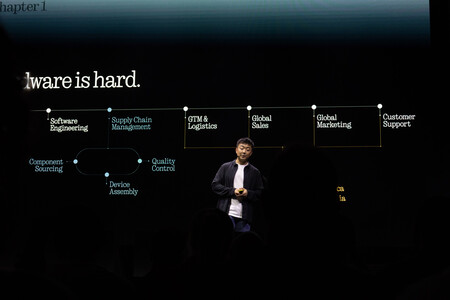
<span>Image | Xataka</span>Another pressing issue arose: How are geopolitical tensions between the United States and China affecting their supply chain? With the Phone (3) clearly labeled “Made in China,” it was a relevant inquiry.
Pei reassures that while most products are manufactured in India, there are some made in China. The company is also actively looking into diversifying their production locations worldwide, showing confidence in their agility as a startup.
“As a startup, we’re nimble and can quickly adapt to whatever circumstance arises.”
The Future of Smartphones
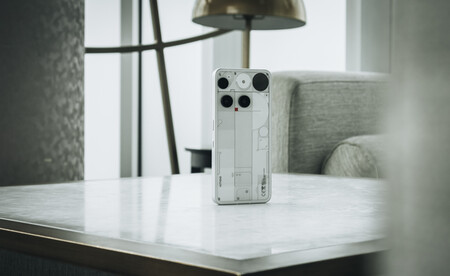
<span>Nothing Phone (3). Image | Xataka</span>When asked about the future of smartphones, Pei’s responses reflect the industry’s uncertainty. As technology evolves rapidly, he believes that the future might hinge on a universal app capable of controlling everything.
However, he quarters this notion by stating that consumers aren’t ready to buy devices void of software yet. The challenge lies in integrating hardware and software seamlessly.
“I think our Essential Search offers a glimpse of this. People instinctively search for apps and contacts. We aim to leverage existing behaviors to create intelligent solutions.”
While Pei acknowledges the intense competition in AI technology, he emphasizes that Nothing will not strive to develop its own AI models. Instead, they’re partnering with established entities like Google (Gemini) and OpenAI (ChatGPT) to ensure they offer the best solutions.
In Pei’s view, smartphones remain the epicenter of AI interaction.
- “There is no better form factor.”
- “Everyone has a phone.”
- “We utilize them for almost everything.”
The question of privacy looms large. How will tech firms address this concern as AI integrates deeper into daily life?
“Transparency will be paramount, particularly in the next generation. It’s crucial to clearly communicate how we collect data, the reasons for it, and allow users to control what they share.”
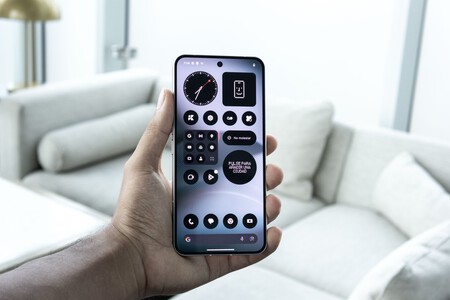
</div>As we ponder the future, is the smartphone approaching its limits, or does room for innovation still exist? Pei believes we are merely at a “peak smartphone” moment. The positive takeaway is that a new chapter focusing on software innovation is just unfolding.
However, the effectiveness of software hinges on effective hardware integration.
“We’re excited about the potential of software but recognize we must innovate alongside hardware developments, as phones were designed with operating systems in mind from the start. There is still a lot to accomplish on the software front, but physical designs must also evolve.”
In closing, I asked Pei about a future dominated by AI and software. With design as a key selling point for Nothing today, what will future offerings hinge on?
Pei is confident that taste and design will only grow in importance.
“As AI simplifies software development, it will be the user experience and aesthetic that will differentiate products. You might call it taste or even ‘vibes’—that will be the essence of the future.”
With a smile, Pei concluded our discussion, suggesting that he has not only a clear direction for Nothing but also a vision for the broader technology industry.
Image | Xataka
In Xataka | Nothing Headphone (1), Analysis: The first Nothing headband headphones are beautiful, comfortable, and exceed expectations in sound quality.