
Spain’s Fishmongers Adapt to Changing Trends by Offering Pet Food
In recent years, Spain has witnessed a noticeable decline in fish consumption while simultaneously observing an increase in pet ownership. This shift in consumer behavior has led local fishmongers to evolve and embrace new opportunities in the lucrative pet food market. Recognizing this growing trend, the Spanish Federation of Fishing Products (Fedepesca) has launched a campaign aimed at encouraging customers to think of fishmongers as a one-stop shop for both their seafood needs and the dietary requirements of their beloved pets.
The New Paradigm: Fishmongers as Pet Food Retailers
The essence of this innovative strategy hinges on a simple idea: that the same place where families purchase fresh seafood should also serve as a reliable source for high-quality pet food . Traditionally, pet owners may have relied on supermarkets for their pets’ meals, but Fedepesca argues that local fishmongers have been overlooked in this domain. Their new campaign slogan puts it all into perspective: “In the fish market, there’s also food for your furry friend!”
Fedepesca’s Initiative to Expand Offerings
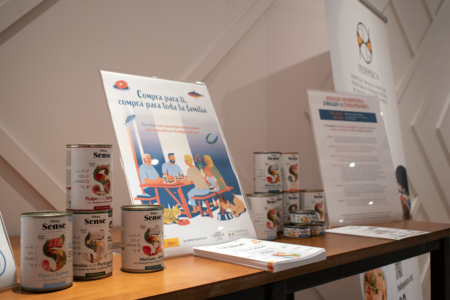
During a recent event in Madrid , Fedepesca unveiled this exciting new initiative. The campaign is designed to broaden the customer base of neighborhood fishmongers by integrating pet food into their offerings. This initiative has already begun to bear fruit, as packaged pet foods featuring fish as a primary ingredient have started to appear in select fish markets. Moreover, |there is interest from associations in Seville and Catalonia to adopt similar practices, potentially transforming countless fishmongers into multi-faceted retailers.
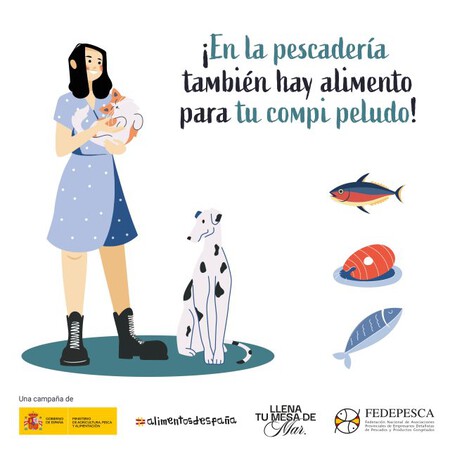
<span>Fedepesca campaign poster.</span>Insights into Spain’s Eating Habits
According to data released by the government, the trend of declining fish consumption is alarming. Between April 2024 and March 2025, consumption of marine products has decreased by 2.7% , with fish consumption alone dropping by 4.3% . This is not an isolated event; it serves as part of a long-standing trend. Data from previous years shows that annual per capita consumption of fish products fell from a peak of nearly 30 kg in 2009 to just 18.9 kg in 2023.
The Rise of Pet Ownership in Spain
Conversely, while fish consumption wanes, pet ownership continues to soar. Recent estimates suggest that the number of pets in Spain exceeds the number of children, with figures indicating 9.3 million dogs and 1.6 million registered cats. The total number of registered pets amounts to over 30 million , further emphasizing the growing market for pet care and food.
</div>A Profitable Venture: Pet Food Market Growth
The increasing number of pets significantly influences the pet food market , leading to more potential sales for fishmongers. According to ANFAC , sales volume in the pet food sector is predicted to rise from 561,305 tons in 2023 to 573,210 tons in 2024. More importantly, the global pet care market is projected to reach $259.37 billion by the end of 2024 and is expected to climb even higher in the coming years.
For local fishmongers, embracing the pet food segment not only addresses a decline in fish sales but also positions them strategically within a booming industry. As they adapt to changing consumer preferences, they are setting themselves up for a promising future.
This unique intersection of two seemingly disparate markets—fresh fish for humans and pet food—illustrates how local businesses must evolve to meet escalating consumer demands. Through innovative strategies and broader offerings, fishmongers are proving they can be both a traditional and modern shopping destination.