
A Controversial Moment: The Northern Derby Incident
The northern derby between RC Lens and LOSC has always been a highlight in French football, known for its intensity and passionate fan base. However, the recent encounter on [date] was marked not just by the rivalry on the pitch but also by a controversial decision that has sparked debates among fans, analysts, and players alike.
In the 53rd minute of the match, RC Lens showcased their attacking prowess when a swift interplay led to a goal that left many questioning the validity of the play. The incident revolved around Lille player No. 11, Osame Sahraoui, who, during a pivotal moment, was unbalanced as he attempted to control the ball near the midline. The cause of this disruption? A challenge from Lens player No. 2, Ruben Aguilar, whose contact with Sahraoui ignited a storm of discussion about what constitutes a foul in football.
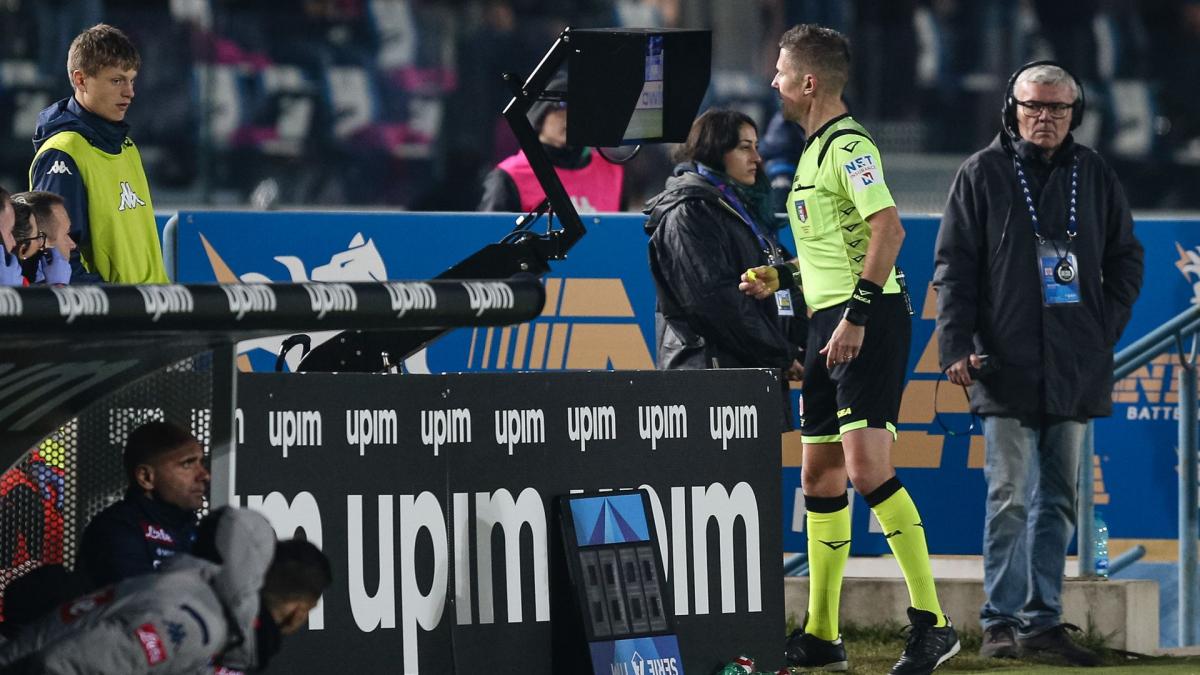
Initially, the referee validated the goal by RC Lens, believing that the initial contact was insufficient to warrant a foul. The decision seemed to align with the match’s flow, propelling Lens into the lead. However, the situation took a turn when the video assistant referee (VAR) recommended a review of the incident, directing the referee to reassess the potential foul on Sahraoui. This move by the VAR sparked a mix of confusion and anticipation among the players and fans present.
Upon reviewing the footage, the referee maintained his original decision. He concluded that Sahraoui was, in fact, “already falling” at the moment of contact. This explanation did little to quell the unrest among Lille supporters, who felt that the intervention of the VAR should have led to a different verdict. The question emerged: was the referee’s initial call misguided, or does the nuance of such challenges warrant a deeper understanding?
Adding further complexity to the situation, the arbitration management later clarified their stance on the incident. They stated, “Even if it is made by imprudence, the contact of the left foot of the Lensois player on the left heel of the Lille player, causing the offset of the latter, impacts his ability to normally pursue the duel for the mastery of the ball.” This commentary underscored the importance of not only the physical contact but also the soccer players’ ability to play the game without undue interference.
This debate highlights the ongoing struggle within football regarding the interpretation of fouls and the implementation of VAR. While technology aims to enhance the accuracy of officiating, its involvement has also stirred questions about the consistency of decisions taken in similar scenarios. Critics argue that VAR has introduced a new layer of subjectivity, with decisions often culminating in controversy rather than clarity.
Analysts and commentators have weighed in, noting that this incident could have significant implications for how referees approach such situations moving forward. Should there be specific guidelines dictating what is considered a foul in these challenging encounters? How do we balance the flow of the game with the need for fairness?
The implications of this incident extend beyond just the match itself. In a league where every point counts towards the table, the potential ramifications of such decisions can influence not just this season but also how teams prepare and strategize in the future. The emotional rollercoaster of derby matches is already heightened, and contentious calls add to the intensity—for players, coaches, and fans alike.
Football, with its mix of skill, speed, and sometimes chaotic decision-making, is built on moments like these. The ongoing debate surrounding the northern derby’s controversial moment serves as a reminder of the complexities that make football so thrilling yet so inherently unpredictable.
As discussions continue to unfold about the role of technology in officiating, fans await clearer interpretations and standards that can be uniformly applied. Ensuring that the spirit of the game remains intact while still striving for accuracy is a delicate balance that football must continue to navigate.
While the dust settles on this northern derby, one thing is clear: moments like these will continue to shape the future of football, sparking conversations about officiating, technology, and the very essence of the beautiful game. As we look forward to upcoming matches, the lessons learned from this incident will undoubtedly play a part in how teams approach their game strategies, emphasizing the critical intersection of skill and sportsmanship.