
The Nuclear Energy Conundrum: A Balancing Act
The use of nuclear energy remains one of the most controversial topics in the global energy debate. It is influenced by a myriad of economic , social factors, and significant concerns surrounding waste management . While it was once believed that the massive growth of renewable energy sources could spell the end of nuclear energy, the reality shows that several countries continue to rely heavily on it.
This is illustrated clearly in the following graph:
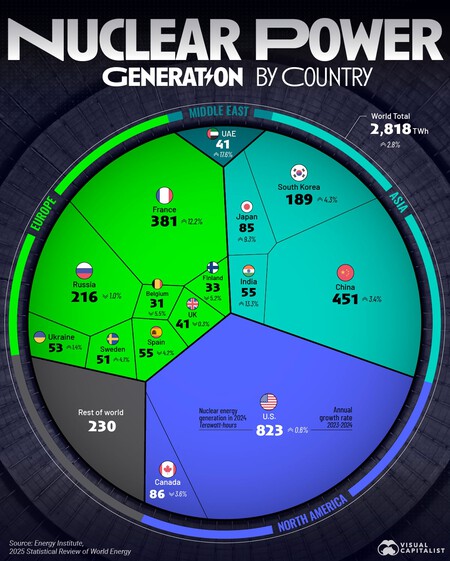
This graph, produced by Visual Capitalist using data from the Energy Institute Statistical Review of World Energy, estimates that nuclear plants generated 2,818 TWh of electricity globally in 2024. This accounts for approximately 10% of the world’s total electricity generation. However, beyond these figures, we discern three distinct and identifiable blocks of nuclear energy output globally.
First, the North American block features the United States and Canada . While Canadian output decreased by 3.6% compared to the previous year, the United States stands out as a giant in nuclear power, generating 823 TWh . This figure represents roughly 30% of the global nuclear energy production and constitutes 18% of the nation’s total electricity. With 94 operational reactors , the US firmly retains its position as a nuclear powerhouse .
Next is the Asian block , led by China , which produced 451 TWh , marking a 3.4% increase from previous years. South Korea followed with 189 TWh , while both Japan and India contributed to a lesser extent. The European bloc is dominated by France and Russia , with both countries showcasing similar energy outputs. Observing the speed with which global nuclear energy dynamics are shifting provides valuable insights into the future landscape of nuclear dependency.
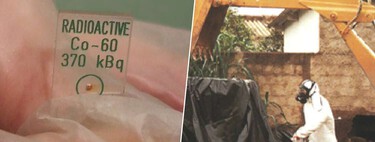
While nuclear adoption varies widely, we can see some countries in Europe embracing increased nuclear production. For instance, France , with 57 operational reactors , increased its output by 12.2% , relying on nuclear energy for 67% of its total electricity. Other countries, including Slovakia , Belgium , Hungary , and Bulgaria , show a similar reliance on nuclear energy, whereas Spain meets approximately 20% of its energy demands through nuclear power.
In the Asian block, the pace of growth diverges. China continues ramping up its nuclear generation capabilities, while Japan and India also report increased outputs of 9.3% and 13.3% , respectively. The United Arab Emirates made a notable contribution as well, with its four reactors providing 22% of its electricity needs.
However, age presents a significant challenge in the global nuclear landscape. Currently, there are 416 operational plants worldwide, with about two-thirds exceeding 30 years old . Despite their estimated lifespan of 30 to 40 years , with modifications, these reactors can continue to operate beyond their expected lifetimes.
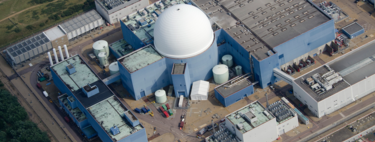
On the other hand, there are approximately 70 new reactors currently under construction. Most of these are concentrated in Asia, particularly in China and India , which are spearheading nuclear expansion. These new reactors utilize advanced refrigerants designed for enhanced safety and efficiency, generating less waste and boasting a projected operational lifespan of over 50 years .
The landscape of energy consumption is evolving, particularly driven by the demands of data centers . Despite the expansion of renewable energy sources, many companies, including major players like Amazon , Google , and Microsoft , are reactivating nuclear plants to meet their energy needs for data centers. This transition underscores a reliance on diversified energy sources to accommodate growing technological demands.
As we peer into the future, the normalization of Small Modular Reactors (SMRs) is envisaged, whereas nuclear fusion remains a tantalizing prospect just over the horizon.