
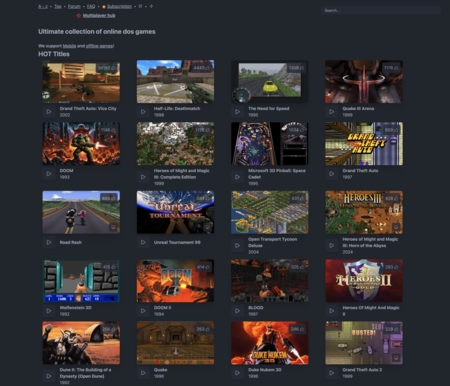
Anyone who played ‘Grand Theft Auto: Vice City‘ remembers it was a challenging game for its time. Originally released in 2002 on PlayStation 2 and later on Xbox and PC in 2003, getting it to run required a certain level of technical savvy. Fast forward over two decades, and the game appeared to be accessible via a web browser, requiring no installations or physical disks. This raises the question: why is this happening now, and what are the implications?
The first response came in the form of a cease and desist order directed at DOS Zone. The notice, which DOS Zone published, claimed the website was “hosting and promoting a browser-based project.” The notice demanded the immediate removal of the game and its related functionalities, warning that failure to comply could lead to legal action.
Where Preservation Ends and Legal Issues Begin
A cease and desist request serves as a formal warning rather than an outright demand. It aims to prompt the removal of content that the rights holder believes infringes upon their intellectual property. Once received, the platform faces a clear choice: comply or risk escalating conflict. The notice hints at potential future actions such as notifying the host provider or pursuing legal avenues if the request is ignored.
In this situation, the request was not handled through direct communication, but via EBRAND, a digital surveillance and content removal firm. This practice is common among large catalogs, where the identification and management of possible violations are outsourced. EBRAND acts as both a technical and legal intermediary, documenting cases and relaying the rights holder’s demands without engaging with the ethics of the project in question.
DOS Zone, on its part, positions itself as a project led by enthusiasts aiming for both preservation and accessibility. The team states that it does not make profits, doesn’t display ads, and refrains from monetizing game access. They profess to operate within relevant legal frameworks and are prepared to remove content promptly if asked by rights holders.
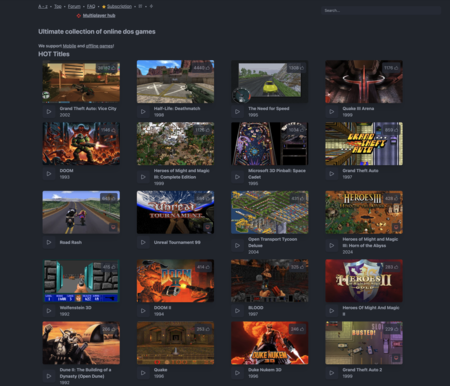
Screenshot of DOS Zone
The browser version of Vice City allowed users to save games locally and, optionally, provided cloud save through the js-dos platform. However, this access was limited, with progress halted after the first story point at the Ocean View Hotel. To proceed further, users had to upload an original game file that matched commercial assets.
The claim from Take-Two fits into a larger debate about digital access and video game preservation, with many invoking the term “abandonware.” However, this term lacks legal standing: just because a game is no longer for sale or has switched formats does not mean its copyright is void. For ‘Vice City’, copyright in the USA extends until 2097, regardless of how one seeks to access the title.

Moreover, the abandonment argument holds no water here, as Take-Two continues to sell Vice City, along with its updated versions like ‘Grand Theft Auto: Vice City – The Definitive Edition’, on multiple platforms. The rights holders remain profitable from this franchise even over two decades after its original launch, reinforcing their stance against unauthorized access and making this case particularly attention-worthy, especially when other similar projects manage to exist without facing repercussions.
Images | Rockstar Games/Take-Two | DOS Zone Screenshot