
The Tornado Outbreak in Mississippi: A Satellite Perspective
When viewed from 700 kilometers above sea level, Mississippi typically presents a serene image of lush forests and farmland. Yet, during March 2025, this peaceful landscape was dramatically altered. NASA’s Landsat 8 satellite captured images revealing “scars”—traces of destruction from one of the most severe tornado outbreaks in recent years.
Unusual Patterns of Destruction
The tornadoes that swept through Mississippi between March 14 and 16, 2025, caused extensive damage, with a staggering 113 tornadoes reported in just three days across 14 states. However, what stood out were two perfectly parallel tracks of devastation immortalized in Walthall County. These twin tornadoes advanced almost side by side, leaving behind an eerie and visually striking pattern.
Descriptive Detail of the Tornadoes
The first scar corresponds to an EF4 tornado that traveled approximately 90 kilometers with winds reaching 274 km/h. The second tornado, though shorter at 15 kilometers, was equally destructive, following an almost identical path.
Data and Meteorological Insights
What makes the occurrence of these twin tornadoes noteworthy is its rarity in meteorological studies. Such phenomena offer meteorologists unique insights into how supercells can interact under extreme conditions. Additionally, Covington County revealed another unusual pattern, where two scars intersected at nearly right angles, forming an ‘X’ shape over a wooded area.
A Unique Challenge for Residents
The data suggests that two tornadoes crossed their paths within just 40 minutes, creating a harrowing experience for local families. They faced the terrifying reality of enduring one large tornado and then witnessing another soon after.
The Bigger Picture of March 2025
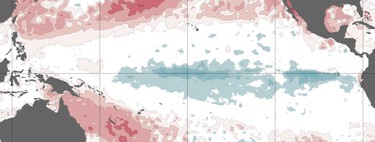
This month proved to be a record-breaker, with a total of 299 tornadoes reported, largely attributed to the climate phenomenon known as La Niña. This occurrence altered the Pacific jet stream across North America, providing ideal conditions for supercell formation. The result was widespread destruction, with over 1,000 homes affected.
Scientific Applications and Future Predictions
Beyond documenting tornado scars, scientists aim to enhance disaster prediction efforts. Researchers at NASA Langley Research Center are utilizing these satellite images alongside data on cloud patterns to refine models for predicting tornado occurrences. The goal is to increase advance warning times to provide valuable seconds for evacuations, potentially saving lives.
Conclusion: Increasing Preparedness
In the face of natural disasters, every second counts. By aiming for just 10 additional minutes of warning time for tornadoes, researchers hope to equip communities with vital information that could make the difference between life and death. The battle against nature’s fury continues, and the technology helping to predict these catastrophes plays a crucial role in ensuring safety.