
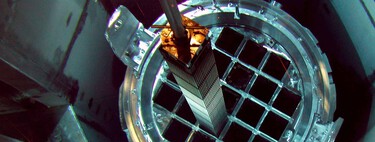
Superconductor qubits are extremely fragile , and their complexity poses both challenges and opportunities in the world of quantum computing. Notably, despite their delicate nature, many companies are investing heavily in this technology, indicating that superconductor qubits are leading the race in the pursuit of practical quantum computing. This strategic focus is likely to yield a higher number of qubits. However, it incurs greater risk when compared to alternatives, such as ion trap qubits, which present different challenges but generally offer more stability.
Superconducting qubits operate at temperatures around 20 millikelvin, roughly equivalent to -273 degrees Celsius, to achieve maximum isolation from environmental noise. IBM stands out among the companies committed to this path by planning to debut its first large-scale quantum computer, ‘Starling’, by 2029. This ambitious machine is designed to possess self-correcting capabilities to address potential errors; however, recent research has introduced a new challenge that could complicate these ambitious plans.
A groundbreaking study from the Academy of Quantum Information Sciences in China has uncovered that cosmic rays and gamma radiation can lead to errors in superconducting qubits. This finding is crucial, as it highlights the necessity for developing robust technologies capable of building reliable quantum computers that can withstand the interferences caused by cosmic rays and gamma rays. The implications of this research were published in Nature Communications.
Cosmic Rays Are Putting Quantum Computers in Trouble
Utilizing a 63-qubit superconducting quantum processor, researchers from Beijing deployed muon detectors within the cooling system of their quantum computer. This innovative approach allowed them to observe that gamma rays and cosmic radiation were inducing errors in the exceptionally fragile superconducting qubits. As a result, the qubits’ ability to maintain coherence was significantly weakened.
Identifying and understanding a problem is a crucial first step in finding a solution, so the discovery made by these scientists is indeed promising. Before diving deeper into their findings, it is essential to briefly explain what exactly cosmic rays and gamma radiation are. Cosmic rays are composed of high-energy ionized atomic nuclei that traverse space at speeds approaching that of light, approximately 300,000 kilometers per second.
Cosmic rays consist of high-energy ionized atomic nuclei that travel through space at remarkable speeds.
The presence of ionization indicates that these particles have gained an electric charge due to ion loss. Interestingly, although cosmic rays consist of the same fundamental matter that surrounds us, their composition varies significantly. Lighter elements like hydrogen and helium are found in our solar system in greater abundance than in cosmic rays, while heavier elements such as lithium, beryllium, and boron manifest ten thousand times more frequently in cosmic radiation.
One noteworthy characteristic of cosmic radiation is its isotropic nature , meaning that it arrives from all directions at an almost uniform frequency. This uniformity suggests that numerous sources in the universe are capable of generating cosmic rays. Indeed, a majority of the cosmic rays that make their way to Earth can be traced back to sources outside our solar system , traveling through the cosmos at immense energy before colliding with atmospheric atoms upon entering our planet’s upper atmosphere.
In contrast, gamma radiation represents the highest energy level of electromagnetic radiation and can travel through various materials, including thick concrete walls and lead. This type of radiation occurs when high-energy photons, commonly referred to as gamma rays , are emitted, often maintaining the original structure of the atomic nucleus. Consequently, gamma radiation is considered one of the most hazardous forms of radiation due to its penetrating power.
In summary, the intricate nature of superconducting qubits and the harmful effects of cosmic rays and gamma radiation pose serious challenges to the development of reliable quantum computers. As researchers continue to unravel these complexities, it is crucial for the industry to evolve by creating innovative safeguards and methodologies to mitigate the risks associated with cosmic interference.