
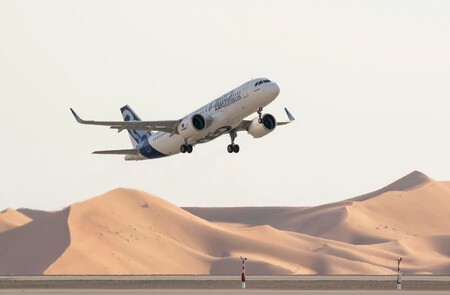
The A320 isn’t just a common sight at European airports; it’s become a defining aircraft for global air travel, epitomizing short and medium-haul routes. Its integral role in the operations of low-cost carriers and traditional airlines makes its eventual replacement a significant industrial endeavor. Airbus is taking a proactive stance, aiming to define the next generation aircraft set to embody these characteristics over the next decade.
Transitioning to the eAction
In a recent interview with Aviation Week, Airbus CEO Guillaume Faury outlined a strategic two-phase roadmap. The first stage targets 2030 as the year to initiate the eAction project—Airbus’s internal name for the aircraft replacement program. Following this, the new model is expected to enter service in the latter half of the 1930s. This planning emphasizes that we’re not looking at an immediate replacement; rather, we’re witnessing a gradual transition that will span several years.
Defining the New Aircraft
Currently, the eAction project remains in preliminary stages, focusing on research and technical development. Airbus is actively collaborating with partners to explore various options related to wings, fuselage designs, propulsion systems, and industrial methodologies. No definitive aircraft configuration exists as of yet, creating a dynamic environment for innovation and experimentation.
Significant Operational Impact
The stakes associated with this transition are underscored by the impressive figures attached to the A320 family. With a total of 20,169 orders, 12,670 deliveries, and 11,374 airplanes currently in service, the demand for the A320 series remains robust. The A321neo, in particular, continues to gain traction with 5,615 aircraft pending delivery. As Airbus ramps up production to a target of 75 units per month by the end of 2027 through multiple assembly lines, it’s vital that the transition plan preserves delivery integrity while balancing the gradual phasing out of older models.
Future Technologies and Efficient Operations
Parallel to developing the eAction, Airbus is identifying the advanced technologies that will shape this aircraft’s capabilities. The company projects that the future single-aisle model could enhance fuel efficiency by 20% to 30% compared to its predecessors and operate using 100% sustainable aviation fuel (SAF). Upcoming innovations may include improved engine designs, open fan architecture, extended wings with folding tips, lightweight materials, and interconnected onboard systems.
Market Strategy and Timing
Airbus’s planning takes into account current market dynamics, particularly with competitors like Boeing. Instead of merely reacting to the competition, Faury emphasizes that the focus is on leveraging Airbus’s strengths. This strategy intends to optimize resource allocation for engineering and production as the eAction project progresses through its crucial development stages. Thus, 2030 is established as a crucial year not only for the approval of the project but also as a pivotal point in the evolution of single-aisle aviation.
Looking Ahead
As the eAction project moves forward, significant decisions remain to be made. The program symbolizes a new era in single-aisle aviation, one that will ultimately shape how airlines operate for decades to come. Though the A320 family will continue to be a vital part of the commercial aviation landscape, the time has come for Airbus to redefine its legacy. If all goes according to plan, we can expect to witness the dawn of the eAction in the skies by the 2030s.