
The Struggles Facing Grape Producers Amidst Economic Recovery
Recent droughts have significantly impacted agricultural production, leaving many farmers apprehensive about future harvests. Fortunately, the recent return of rain has reinvigorated hope for enhanced productivity, especially among grape producers dedicated to wine craftsmanship. However, this uptick in grape yield comes with its own set of challenges, particularly in terms of market pricing.
Farmers Stand United for Fair Prices
Protest in front of AECAVA: In a recent show of solidarity, grape-producing farmers from various communities organized a protest outside the Association of Cava (AECAVA) in Sant Sadurní D’Alcoia, Barcelona. Their primary grievance was the request for adequate pricing that would at least cover production costs. Such demonstrations highlight the struggle many producers face as they grapple with economic pressures and fluctuations in the marketplace.
Increased Grape Production Anticipated
20% more grapes: Remarkably, this protest coincided with the beginning of the grape harvest for certain varieties. The sector anticipates a 20% increase in grape production compared to 2024, providing a glimmer of hope following the devastating drought conditions that nearly toppled numerous crops. This resurgence can be largely attributed to the abundant rains received between autumn, spring, and even parts of the summer, which have paved the way for healthier crops.
Understanding the Market Dynamics
Double-edged weapon: However, the promising increase in production also introduces a double-edged sword effect within the agricultural sector. As supply rises while demand remains static, the inevitable drop in prices poses a significant threat. Farmers are concerned that they might not be able to recoup their production costs, further exacerbating the financial difficulties many are currently facing.
Price Drops Alarm Farmers
Almost at half price: A disconcerting trend has emerged, as the Valencian Association of Farmers reports that wineries are offering as little as €0.45 per kilogram for conventional grapes. In the case of grapes destined for ecological wine , prices hover around €0.50. Alarmingly, these figures represent about a 50% decrease compared to last year’s prices, which stood at €0.87/kg for conventional grapes and €1/kg for ecological production, raising concerns among producers regarding their profit margins .
The Uneven Recovery of Crops
The anticipated recovery in production is not uniform across the region. Farmers in places like the Valencian Community and Extremadura have seen yields capped at approximately 10.5 tons per hectare. This inconsistency adds to the complexities faced by the agricultural sector, as producers often depend on various crops to maintain financial stability. Despite the promise of a bountiful harvest, many worry that the recovery may not be as robust as it seems.
Ongoing Challenges for Vineyards
A recovery that is not so much: Vineyard owners express concern that the much-anticipated recovery from drought may still be jeopardized. Issues such as Mildew , a vine-affecting disease, threaten to compromise harvests that are still maturing in certain regions. Such crop diseases heighten the risk of loss, further clouding the potential for a successful harvest this year.
The Effects of Climate Change Are Here
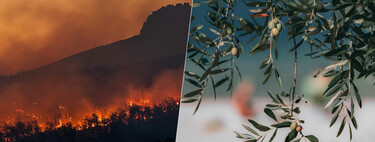
Additionally, the looming specter of prolonged heat waves casts uncertainty over the maturation process for crops, further complicated by devastating wildfires in regions such as Galicia , Extremadura , and Castilla y León . These environmental challenges are increasingly complex, and the agricultural sector finds itself on precarious ground as it navigates this multifaceted crisis.
As the agricultural industry rallies for fair prices, hopes for a fruitful harvest struggle to align with the market’s realities. Continuous assessment of both environmental impacts and pricing structures will be crucial for the sustainability of the grape sector as it endeavors to maintain its integrity amidst the tumult of recovery.
Image | Ángela Llop, CC by-SA 4.0