
Understanding Speed Limitations in Spanish High-Speed Trains
Yes, we knew that our high-speed trains did not always run at their maximum performance. But it was not until after the accident in Adamuz (Córdoba) that the controversy over speed limitations arose. Who sets these limitations? Why is a specific speed selected over another? How many limitations exist?
Real-Time Map of Speed Limitations
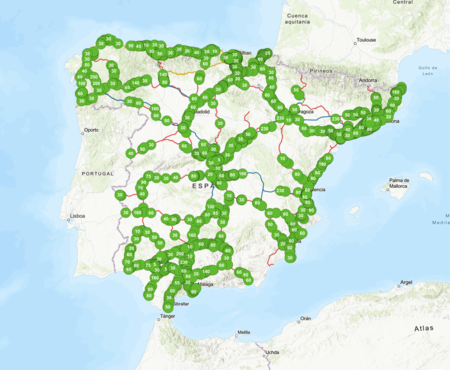
Adif has just resolved this last question. The organization has published a public map that is easy to consult and is updated in real-time with all active speed limitations on the railways in Spain. The user-friendly interface shows a number on a green circular background representing the maximum speed at which the train can operate.
Temporary Limitations Across the Nation
As reflected in the images from the map, speed limitations are widespread across Spain. These limitations are not permanent; they are imposed temporarily for safety reasons, even if the expectation is that train traffic could safely exceed these limits. The map is not without controversy; previously, a group of dedicated train users created a similar site to track speed limitations, but Adif shut it down citing safety concerns, now providing their own comprehensive map.
Are There More than 1,000 Limitations?
This figure has become common in media discussions, referencing all conflict points visible on the map. However, it is essential to clarify that not all limitations apply to high-speed lines. Some pertain to medium and long-distance lines, Cercanías (commuter trains), and freight lines.
The map provides additional details such as the start and end points of limitations, the type of track involved (high-speed, freight, etc.), its width, and the direction of traffic.
Triggered Discussions Post-Accident
The heightened public interest in speed limitations directly coincided with the incident in Adamuz. A Renfe train derailed after colliding slightly with an Iryo train that had also derailed due to a fractured track, igniting debates about the safety of the Spanish railway network. The calamity, accompanied by a series of unfortunate events, spurred an increase in speed limitations across the nation.
Challenges in Travel Times
As an example, the Madrid-Barcelona route has seen increased travel times, leading to passenger frustrations as trains often arrive late. These speed restrictions have significantly impacted the efficiency of what was once a well-operating line.
Vibrations as a Contributing Factor
A subset of these limitations stem from observed vibrations in Spanish high-speed trains, which, while not directly causing derailments, can lead to premature wear on equipment and infrastructure. The Madrid-Barcelona line, already under scrutiny due to AVLO trains facing cracking problems, has had to implement speed restrictions to mitigate these issues.
Impact on Passengers and Drivers
These ongoing vibrations not only inconvenience passengers but also affect train staff. Drivers have the discretion to reduce speed for greater safety or comfort; however, these adjustments require notification to control centers and must be justified afterward. One train driver noted that pleas for these limitations were initially ignored until the Adamuz incident brought them to the forefront.
Regions Most Affected
Andalusia faces significant restrictions, particularly between Córdoba and Seville and Córdoba and Málaga, with many temporary limitations affecting these routes. Similarly, Rodalies lines in Catalonia experience daily delays and breakdowns, showcasing issues that far exceed those seen in high-speed lines.
The approaches to both Bilbao and San Sebastián also face consistent speed limitations, causing travel times to extend far beyond potential norms. The situation near Madrid reveals a similar narrative, riddled with continual speed restrictions affecting various train services.
Conclusion
In summary, speed limitations on Spanish high-speed trains have become a contentious issue, especially post-accident, reflecting broader concerns about safety and reliability in rail travel. As Adif continues to manage these limitations through its real-time map, ongoing discussions about safety protocols and operational efficiencies will likely remain crucial in shaping the future of Spain’s railway system.
Images Source: Adif and Pablo Nieto Abad.