
The Shift in Energy Dynamics: A Shift Towards Consumers
The world currently faces what experts label as “the greatest threat to energy security in history.” With aviation fuel reserves in Europe dwindling to merely six weeks, and nations like Pakistan and the Philippines nearing depletion at the pumps, a looming crisis hangs over the global energy landscape. The recent disruptions in oil supply, especially due to the blockade of the Strait of Hormuz, have exacerbated these concerns, impacting approximately 12% of the world’s oil supply—more than any historical precedent.
The Traditional Power Dynamics
For over 65 years, the Organization of the Petroleum Exporting Countries (OPEC) has maintained an unwavering grasp over oil production and pricing, dictating terms to the consuming nations. However, the current crisis is prompting economists to advocate for a revolutionary shift that redirects the balance of power from producers to consumers.
Proposing an “OPEC in Reverse”
To navigate this increasing market tension, economists Gregor Semieniuk and Isabella Weber of the University of Massachusetts Amherst propose forming an “OPEC in reverse.” Unlike OPEC, which regulates production levels, this coalition of oil-importing countries would aim to set a maximum purchase price. This strategic move seeks to eliminate competitive bidding wars that favor wealthier nations, effectively monopolizing energy supplies at the expense of lower-income countries.
Historically, the International Energy Agency (IEA) was established as a counterbalance against OPEC; however, the dynamics of energy security have changed significantly since then. The removal of oil price controls in 1981 led to a system heavily influenced by free market principles. Yet, as noted by Cornell economist Eswar Prasad, the current energy crisis resembles a zero-sum game—a situation analogous to wealthier nations hoarding medical supplies during a pandemic.
The Road Ahead: Leading the Change
For this proposed coalition to materialize, the United States stands in a prime position to lead. With an energy trade surplus projected near $100 billion in 2024, U.S. geopolitical weight and financial resources could be pivotal in initiating this transformative strategy. Alongside establishing price caps, implementing taxes on windfall profits from major corporations could provide further relief to consumers squeezed by soaring prices.
Such intervention is justified given the extraordinary circumstances. Amid military blockades, the assertion that free markets alone can guide energy distribution becomes untenable.
A Crumbling OPEC: Geopolitical Shifts
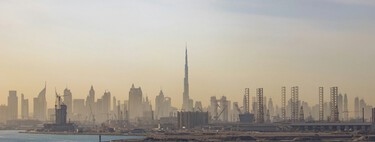
As the historical power structure shifts, OPEC’s influence has begun to wane. The United Arab Emirates (UAE) has already distanced itself from the cartel, suggesting a prioritization of national interests over collective agreements. The once solidified market control of OPEC is now fragmented, with its global market share plummeting to 26% as of March. This internal disarray not only undermines OPEC’s control but also points to the potential for a major geopolitical recalibration.
As regional alliances shift—evident in the UAE’s pivot towards a relationship with the United States—other states like Kazakhstan may follow suit, potentially leading to more nations rebelling against OPEC’s quotas. This chaotic landscape questions the future of global energy governance.
Conclusion: An Opportunity for a Consumer Coalition
As OPEC’s cohesion crumbles, a unique opportunity presents itself for oil-importing countries to unite and reclaim market control. Historical evidence suggests that organized coalitions can significantly influence global energy dynamics. The pressing question remains: will consumer nations muster the political will to forge this new path and reshape the energy market for the better?
With potential fragmentation and volatility ahead, the emerging paradigm of energy management may very well redefine the future, empowering nations that consume rather than produce. The time for a bold, unified action has come.