
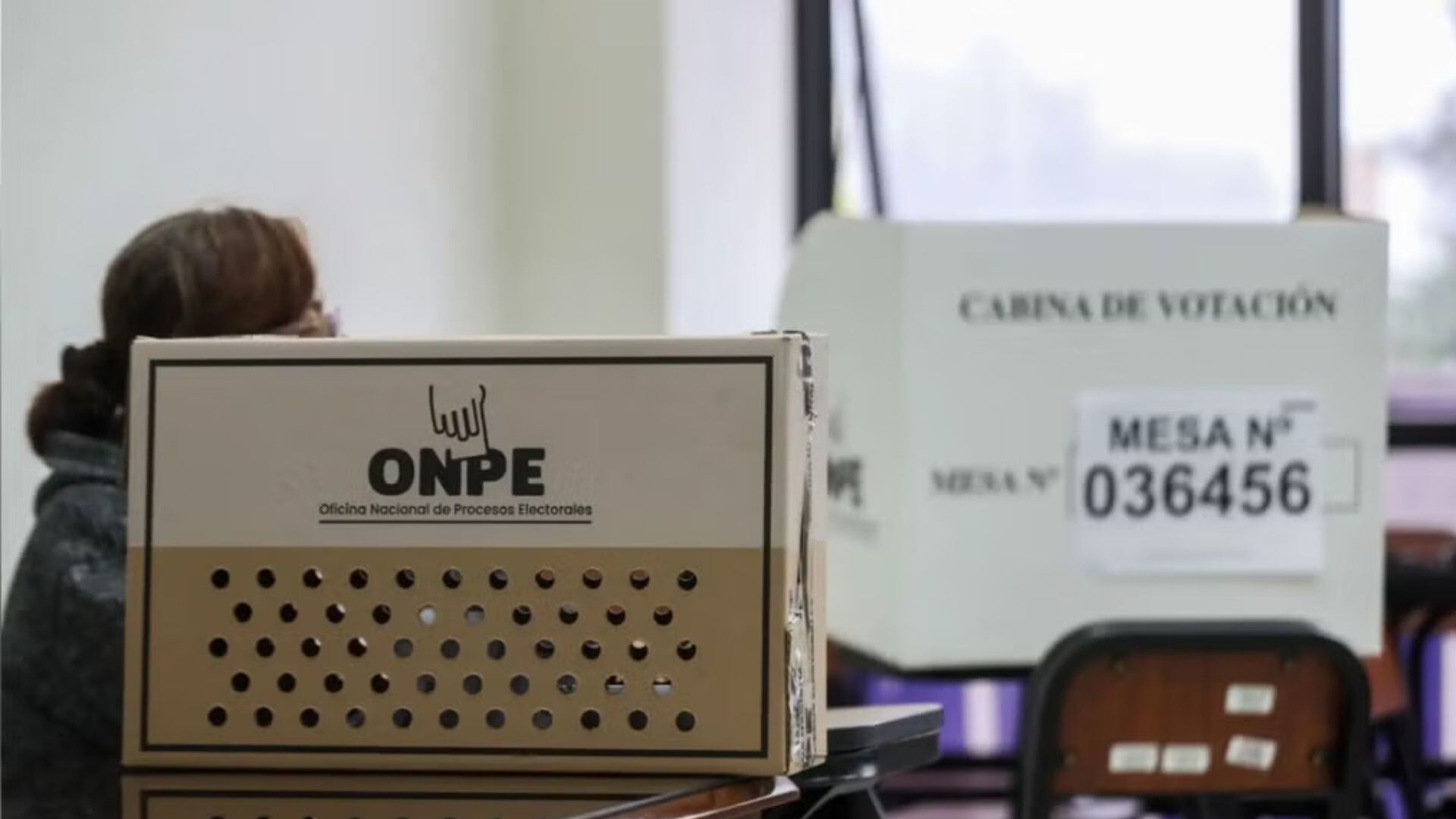
Overview of the 2026 General Elections in Peru
The General Elections 2026 marked significant changes in Peru, not only in terms of the presidential seat and congressional representation but also in the notable decline in absenteeism. This marked a substantial improvement compared to the 2021 elections.
Reduction in Absenteeism Rates
According to the report from the National Office of Electoral Processes (ONPE), the absenteeism percentage decreased to 24% in 2026, which is four points lower than in 2021. This suggests a rejuvenation in citizen participation rates, despite ongoing geographical and social gaps that continue to affect voting behaviors. The report indicates, “The recovery of attendance levels shows a return to the patterns prior to the Covid-19 pandemic.”
Geographical Disparities in Voter Participation
However, the decline in absenteeism was not uniform across Peru. Regions with challenging geographic and social conditions, such as the Amazon and border provinces, recorded the highest absenteeism rates.
- Loreto had the highest absenteeism at 41.5%.
- Other regions like Amazon and Huancavelica recorded rates of 37.7% and 35.8%, respectively.
- Even at the provincial level, Putumayo (Loreto) experienced a striking absenteeism of 66.5%, followed by Purús (Ucayali) at 61.7%.
These statistics reflect the impact of structural challenges such as transportation difficulties, population dispersion, and limited public service presence on electoral participation.
Areas of High Civic Engagement
Conversely, provinces like San Roman (Puno), Cañete (Lima), Chincha (Ica), Arequipa, and Tacna reported much lower absenteeism levels. In San Román, attendance exceeded 80%, indicating significant civic engagement. The ONPE analysis highlights that the varying realities across regions illustrate the complex nature of electoral behavior in the country.
Trends in Metropolitan Lima
In Metropolitan Lima, absenteeism dropped from 24% in 2021 to 20% in 2026. Nevertheless, this figure varies from district to district:
- Wealthier districts like Miraflores and San Isidro saw absenteeism rates above the average, exceeding 26%.
- In contrast, areas such as Villa El Salvador and St. Anita reported absenteeism rates under 18%, suggesting a stronger civic connection on election day.
Improving Access to Voting
The ONPE study also emphasizes the importance of establishing voting tables in populated centers, an initiative that has been in place since 2006 aimed at facilitating access for remote communities. In 2026, the presence of voting tables increased to 1,913 centers, providing a boost to local participation. This expansion allowed more than 1.1 million voters to cast their ballots close to home, significantly lowering barriers for remote populations.
Participation of Polling Station Members
The participation rate of polling station members also improved significantly. The number of substitutes required per voting table increased from three to six, leading to a participation level of 64.6%. Notably, women exhibited higher levels of participation than men across all constituencies, as highlighted in the ONPE report.