
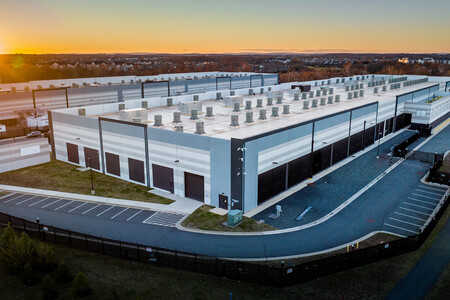
Spain is gaining significant attention from Big Tech companies, with numerous firms choosing the country as a prime location for new data centers . This investment trend is particularly pronounced in regions like Aragon , which is gearing up to accommodate these colossal facilities. However, there is a pressing concern that jeopardizes this promising technological surge: water consumption .
According to a report by El País, the surge in investment isn’t limited to Spain; nations like Mexico and Chile are also experiencing similar phenomena. This poses substantial risks not only for local ecosystems but also for the communities reliant on these water sources.
Aragon Rolls Out the Red Carpet for Amazon
In Spain, Huesca has become a focal point for this investment wave, particularly through Amazon , which currently operates three data centers for its AWS platform in Burgo de Ebro, Villanueva de Gállego, and Huesca Capital. Recently, they announced plans for a new center in Walqa . Amazon is set to invest a staggering $15.7 billion in the region between 2024 and 2033.
However, this ambitious project faced considerable controversy at the beginning of the year. Residents of the Cuarte neighborhood received letters informing them about the expropriation of land near the Walqa Technology Park. Concerns revolved around the new layout for a high-voltage electric line crossing their town and the high water consumption anticipated.
In February, Cuarte residents met with Amazon representatives to express their worries. Fortunately, they managed to negotiate adjustments, leading to the relocation of the high-voltage line. Moreover, Amazon agreed to finance infrastructure improvements to supply water to Cuarte and neighboring communities through new channeling works from the San Julián de Banzo spring.

The energy demands of these data centers are alarming. The upcoming facility in La Cartuja , Zaragoza, is projected to consume 10,800 GWh , surpassing the entire province’s electricity usage forecast for 2024, which is estimated at 10.54 GWh . To mitigate this issue, the company invested €1.5 million in expanding the electricity network across its data centers.
Nonetheless, the water usage remains even more concerning. According to Carlos López , a member of Ecologists in Action in Aragon, Amazon plans to install wells to extract water from the subsoil for cooling equipment. These data centers are expected to consume over 755,000 cubic meters of water annually. López warns that there will be insufficient oversight to track the exact amount extracted. An Amazon spokesperson clarified that the wells would be under regulatory supervision and designated as a backup water source.
This year, Amazon disclosed it is consuming 48% more water than initially estimated, necessitated by rising heat levels. As these centers become operational, it will be critical to evaluate their actual impact on both local water supplies and the agricultural sector.
Assessing the return on investment in these projects for countries like Spain is increasingly challenging. Although construction activities generate employment, operational phases typically require far fewer jobs.
For example, the new data center project being spearheaded by Meta in Talavera de la Reina expects to create around 5,000 construction jobs , but only around 250 positions will remain for operation and maintenance.

Documents from October 2021 reveal that the three existing data centers in Aragon had fewer than twenty employees each. Such a welcoming approach by some autonomous communities may ultimately result in more dissatisfaction than benefits.
A Parallel Case: Uruguay
<pSimilarly, a significant data center project in Uruguay has also drawn scrutiny. Google announced plans to build a new data center in the Science Park of Canelones. This endeavor, the company’s second in Latin America, involves an estimated investment of over $850 million and sparked considerable concern from its inception.
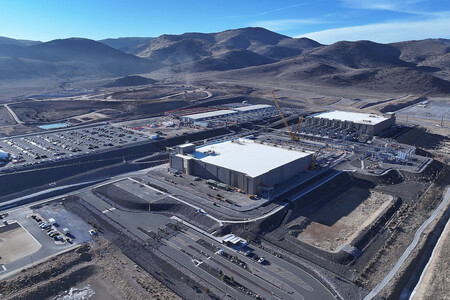
Google Data Centers in Storey, Nevada. Source: Google.
<pDespite initial promises, concerns arose regarding water consumption and energy usage. Researcher Daniel Pena discovered significant gaps in information about the center’s water needs, receiving only access after legal action against the Uruguayan Ministry of Environment.
<pThe findings revealed that the facility would initially require 3.8 million liters of water per day, doubling in the second phase to 7.6 million liters. To put this in perspective, that consumption equates to the needs of around 55,000 to 60,000 people daily, raising pivotal questions about resource allocation.
<pIn response to mounting criticism, Google revised the project to lessen its dependency on drinking water, opting for a chiller-based cooling system to minimize waste—a move that has brought some relief to concerned citizens.
<pThis shift towards better resource management is critical, especially as global temperatures rise. Both Spain and Uruguay stand at a crossroads, where technological advancement could significantly impact local communities and their resources. Decisions made today regarding data centers will shape the environmental landscape for years to come, necessitating a careful balance between innovation and sustainability.