
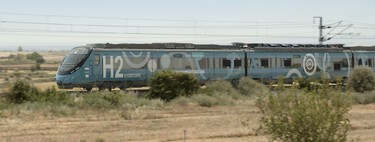
The Rise of CAF: A Spanish Railway Revolution in Belgium
Traveling across Belgium has become more accessible and efficient with the aid of the SNCB application, a key tool for navigating the country’s extensive rail system. This Belgian counterpart to Spain’s Renfe has recently made headlines by announcing a bold initiative: the renewal of 50% of its fleet by 2032. The staggering investment of 3.4 billion euros is set to be fulfilled by none other than the Spanish company CAF (Construcciones y Auxiliar de Ferrocarriles). The significance of this deal extends beyond its financial implications, shaping the future of railway travel in Belgium and highlighting a growing Spanish influence in European transport infrastructure.
So, what exactly is CAF ? If you’ve traveled on trains in Belgium or elsewhere, you’ve likely encountered their vehicles without realizing it. The company, established in 1917 in Beasain, Spain , has evolved from being a local wagon manufacturer to a prominent player in the global rail industry. Their current contract, discussed by the SNCB as “the contract of the century,” illustrates their critical role in modern rail transport.
In a recent statement, SNCB revealed details of its agreement with CAF, which involves a preliminary commitment of 1.695 billion euros . This investment will cover the development, manufacturing, and supply of 600 AM30 trains —interurban trains capable of operating on both electrified lines and those powered by batteries. Together, these trains will offer 170,000 seats , making a remarkable contribution to the country’s rail capacity.
The decision to partner with CAF was not made in isolation. The bid faced stiff competition from other manufacturers, notably French giant Alstom , which argued for lower prices and local job creation. However, the political landscape can significantly influence such contracts, as highlighted by opposition voices claiming CAF’s past involvement in controversial projects in the Middle East. As the debate unfolds, many are watching closely to see if this deal will withstand political scrutiny.
The sheer scale of this venture raises it to the status of a landmark deal in the railway sector, having potentially vast implications for CAF’s portfolio, which now stands to surpass 17 billion euros in contracts.
Café: A Historical Perspective
Founded over a century ago, CAF has made a mark not only in Spain but globally. Its origins lie in workshops that date back to the 19th century , focusing initially on the manufacturing of rail wagons. Gradually, the company diversified and strengthened its international presence in the 1990s by establishing multiple subsidiaries around the world.
Today, CAF is not just a national treasure but a global contender. Its trains have graced the rails of cities across the globe, from London and Brussels to Santiago, Chile , and Mexico City . The company has manufactured high-speed trains that serve as the backbone of several countries’ railway systems, including the renowned Oaris which operates in Norway.
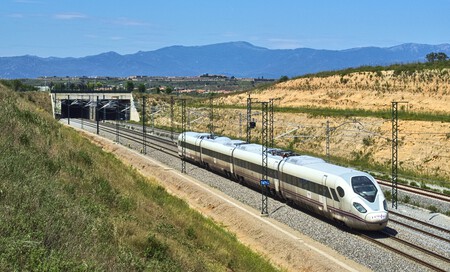
The Oaris
Despite its significant achievements, many remain unaware of CAF’s global presence. The company operates primarily in the B2B sector, focusing on large-scale contracts with public and private operators rather than individual consumers. This has kept CAF somewhat under the radar, unlike its competitors. This status may shift as deals like the one in Belgium rise to prominence.
The Road Ahead: Increasing Recognition
CAF’s trajectory indicates a growing influence in the European market. As they secure contracts in countries such as Belgium, it is likely that their brand will gain more visibility and recognition. Their story is not merely of survival in a competitive industry but a journey leading to increased engagement and acknowledgment on a global scale.
In summary, the partnership between SNCB and CAF symbolizes a significant turning point for both companies. It reflects Belgium’s commitment to modernizing its railway infrastructure while showcasing CAF’s management of international partnerships. As they continue to expand, it’s evident that CAF is on an upward trend, likely poised to become a household name throughout Europe and beyond.
Images | Jordi Verdugo