
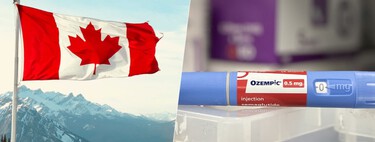
The Rise and Challenges of GLP-1 Medications in Weight Loss
In the world of innovation , being the pioneer of a groundbreaking product can provide a significant edge. However, this does not guarantee success. This lesson is currently being experienced by the Danish pharmaceutical company Novo Nordisk , which has found itself amid both acclaim and adversity in recent years.
The pharmaceutical landscape has seen a surge in the popularity of drugs belonging to the GLP-1 family , such as Ozempic , Wegovy , and Zepbound . The name “GLP-1” refers to glucagon-like peptide-1, a hormone produced naturally in our bodies when we eat. These medications contain active compounds that mimic this hormone and thus play a crucial role in managing multiple health issues.
Initially, Ozempic and Zepbound were developed primarily as treatments for diabetes . The GLP-1 hormone serves a critical function by signaling the pancreas to increase insulin production upon the intake of food. Nevertheless, the breakthrough success of these treatments stems from a secondary effect associated with this hormone: it sends signals to the brain that induce feelings of satiety. This effect has led GLP-1 receptor agonists to be seen as effective weight loss solutions.
Both Novo Nordisk’s semaglutide and Eli Lilly’s tirzepatide have prompted the launch of new brands aimed specifically at weight loss: Wegovy and Mounjaro , respectively. Despite the competitive advantage carried by Novo Nordisk’s products, they encounter an underlying issue that offers a learning opportunity for the company.
The challenge arises because Lilly’s tirzepatide has demonstrated superior results, especially in the realm of weight loss. This is likely due to the fact that while semaglutide acts as a simple GLP-1 receptor agonist, tirzepatide functions as a dual agonist, targeting both GLP-1 and GIP (gastric inhibitory polypeptide) receptors.
As if that weren’t enough, the unprecedented level of success also led to significant supply issues . This complication is not just economic; it poses serious health risks since Ozempic was originally created as a treatment for diabetes. A high demand for unmet needs presents an opportunity for new competitors, and Lilly’s landscape began to change rapidly.
A Fierce Competition
Lilly introduced Mounjaro in 2022, and its reception was staggering; prescriptions soared as the new product appeared poised to overtake its rivals swiftly. However, three years post-launch, the anticipated dominance has yet to fully materialize. Surprisingly, some analysts remain baffled as to why Lilly’s successful formulations have not achieved the anticipated sales.
In an insightful article for BioSpace , consultants Gary Stibel and Riley McCarthy from the New England Consulting Group shed light on this matter. According to them, the enduring success of Ozempic can largely be attributed to savvy marketing strategies. They argue that Lilly’s struggles in reaching expected sales volumes stemmed from high manufacturing costs and fluctuating inventory levels amidst soaring demand. Consequently, Lilly has found itself struggling to keep pace with its own product’s success.
In the U.S., pharmaceutical companies are allowed to advertise prescription medications rather openly. According to the consultants, a significant part of Ozempic’s success can be credited to consumer-oriented campaigns. While the ultimate choice of medication lies with the prescribing authority, patients’ preferences may heavily influence decisions.
Regardless of marketing efforts, the advantages of arriving first in a profitable market cannot be overstated. Ozempic captured headlines and dominated news cycles for months, evolving into what is referred to as a “genericized trademark,” a term describing a brand that has come to define an entire category of products. While this offers short-term benefits, the long-term risks of brand erosion must also be considered.
Projected trends for 2025 suggest a brighter outlook for Lilly; however, forecasting the medium- and long-term future remains complex due to various factors. Both pharmaceutical giants continue to explore new formulations, including double and even triple agonists that could potentially dethrone existing products. Lab results can be unpredictable, and they will play a significant role in determining the future trajectories of both companies.
Another pressing concern involves the ceiling of this market. Analysts at Goldman Sachs predict that this ceiling could be reached by the beginning of the next decade, estimating a market volume of around $120 billion by 2035. There is still ample room for growth, with 2025 market estimates hovering around $28 billion .
This evolving market landscape will also be influenced by the introduction of new formulations and possible generic alternatives . Faced with impending patent expirations, both Novo Nordisk and Lilly must innovate continuously to maintain competitiveness in an increasingly cluttered marketplace. The possibilities for both companies hinge upon their ability to stay ahead of the curve and create products that not only meet current demands but anticipate future health care needs.
As new trends emerge and consumer preferences evolve, the competitive dynamics between these leading pharmaceutical companies will continue to reshape the market landscape. The stakes are high, and the quest for a successful weight loss treatment is far from over.