
Meteorological Warnings: Understanding the Impacts of Severe Weather
Severe weather events have become increasingly frequent and intense due to climate change. Understanding the implications of these weather warnings is essential for the safety of citizens. In this article, we will delve into the recent meteorological warnings, focusing on the strong winds and storms that have been reported, as well as the necessary precautions that should be taken by the public.
The Power of Wind: Risks of Strong Winds and Storms
Meteorological departments often issue warnings related to strong winds and storms, highlighting their potential threats to public safety. Recently, it has been reported that winds reaching speeds of 50-70 km/h are expected in certain regions. These strong winds can lead to hazardous conditions, including property damage, fallen trees, and disruption of electricity supplies. Citizens are advised to stay indoors during these intense weather conditions to avoid any unnecessary risks.
Moreover, the unpredictability of storm systems can escalate the risks associated with high winds. As storm patterns evolve, they may bring heavy rainfall, leading to flash flooding, particularly in urban areas where drainage systems may become overwhelmed. Understanding these threats can empower individuals to take preventive measures.
Areas Under Yellow Code Warning
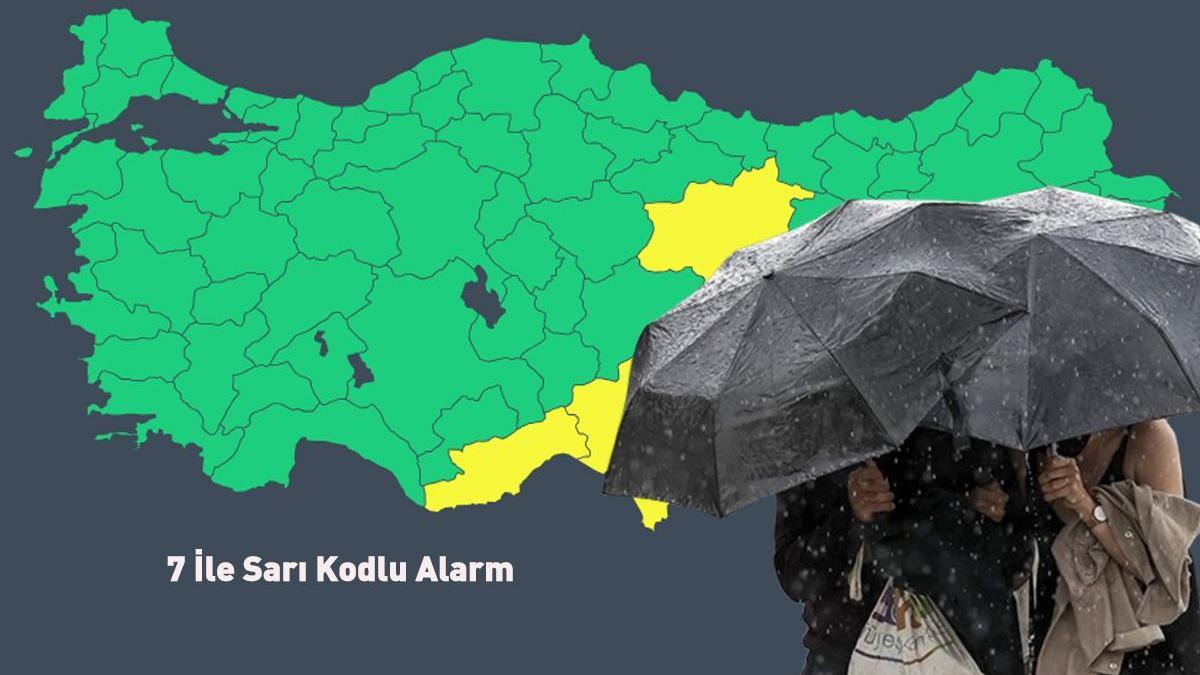
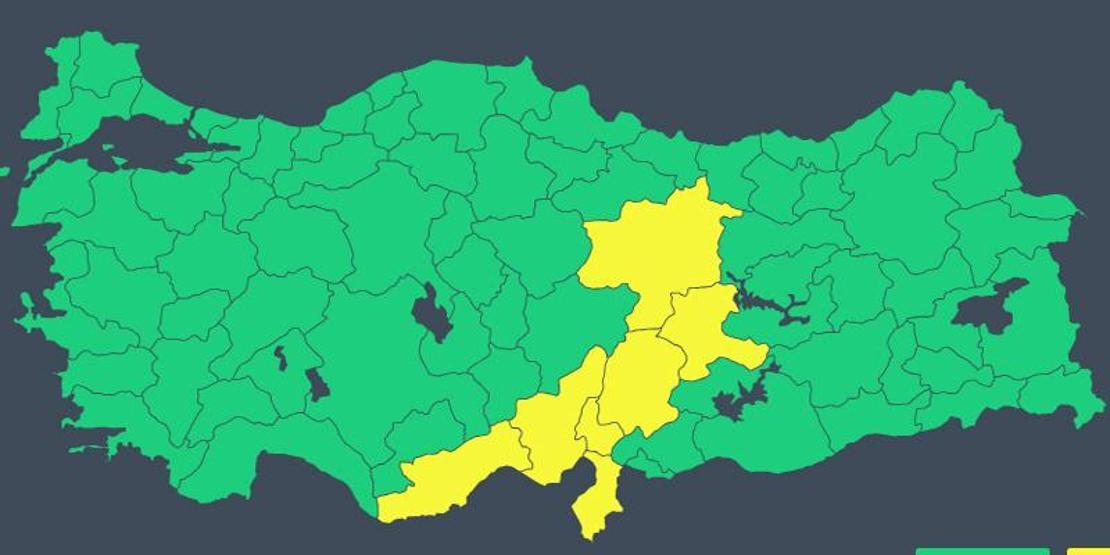
Recent warnings have identified specific regions that are at heightened risk due to anticipated severe weather. The Meteorological Department has issued yellow code warnings for several provinces, including Adana, Hatay, Mersin, Sivas, Kahramanmaraş, Osmaniye, and Malatya. Citizens living in these areas must stay vigilant as they face risks from sudden floods, waterlogging, lightning strikes, and strong winds.
The yellow code serves as a preliminary alert, indicating that while the situation is serious, it is not yet critical. However, residents should remain informed and prepared for sudden changes in weather conditions. Emergency kits, including essential supplies such as water, food, flashlights, and batteries, can be invaluable during such events.
Understanding the Meteorological Terminology
It is vital for citizens to comprehend the terminology used in meteorological warnings. Codes such as yellow, orange, and red serve distinct purposes, indicating the severity of potential weather events. A yellow code indicates a significant risk requiring awareness and precautionary measures. An orange code points to an increased likelihood of severe conditions, while a red code represents extreme weather with life-threatening implications.
By being aware of these terms, individuals can act swiftly and take necessary precautions. Additionally, staying tuned to reliable weather updates can inform one about ongoing developments and adjustments in weather forecasts.
Preparing for Severe Weather
Preparation is key in mitigating the risks associated with severe weather. Here are several essential steps that individuals can adopt:
Stay Informed: Regularly check reliable weather sources for updates on storm patterns and warnings.
Create an Emergency Plan: Develop a family emergency plan that includes communication protocols and meeting points if separated.
Stock Supplies: Keep an emergency kit that includes essential items like food, water, medical supplies, and flashlights.
Secure Property: Ensure that loose items outside are secured, and any potential hazards, such as trees or branches, are assessed for risk of falling.
- Avoid Travel: If severe weather is forecast, avoid unnecessary travel as road conditions can quickly become dangerous.
Understanding the Broader Impact of Severe Weather
Severe weather does not only present immediate dangers; it can have lasting social, economic, and environmental impacts. For instance, flash flooding can lead to infrastructure damage, increased insurance premiums, economic loss for local businesses, and even homelessness.
Additionally, extreme weather events can exacerbate existing issues related to climate change, increasing the urgency for communities to develop resilience against future storms.
Conclusion: Stay Safe During Severe Weather Events
In light of the recent warnings, it is crucial for citizens to take the necessary precautions to ensure their safety. The Meteorological Department’s alerts serve as crucial notifications that should not be taken lightly. Always remain informed and ready to adapt to rapidly changing weather conditions.
GÜÇLÜ RÜZGAR VE FIRTINA TEHLİKESİ
/
Doğu bölgelerde rüzgarın güney ve güneybatı yönlerden yer yer fırtına şeklinde (50-70 km/saat) kuvvetli eseceği belirtiliyor. Bu durumun hayatı olumsuz etkileyebileceği ve vatandaşların tedbir alması gerektiği vurgulanıyor.
SARI KODLU UYARI VERİLEN İLLER
/
Meteoroloji, Adana, Hatay, Mersin, Sivas, Kahramanmaraş, Osmaniye ve Malatya illeri için sarı kodlu uyarı yayımladı. Bu illerde yaşayanların ani sel, su baskını, yıldırım ve fırtına riskine karşı dikkatli ve tedbirli olmaları gerekiyor.
By understanding these severe weather warnings and taking appropriate actions, we can collectively contribute to ensuring the safety and resilience of our communities.
General News – 1