
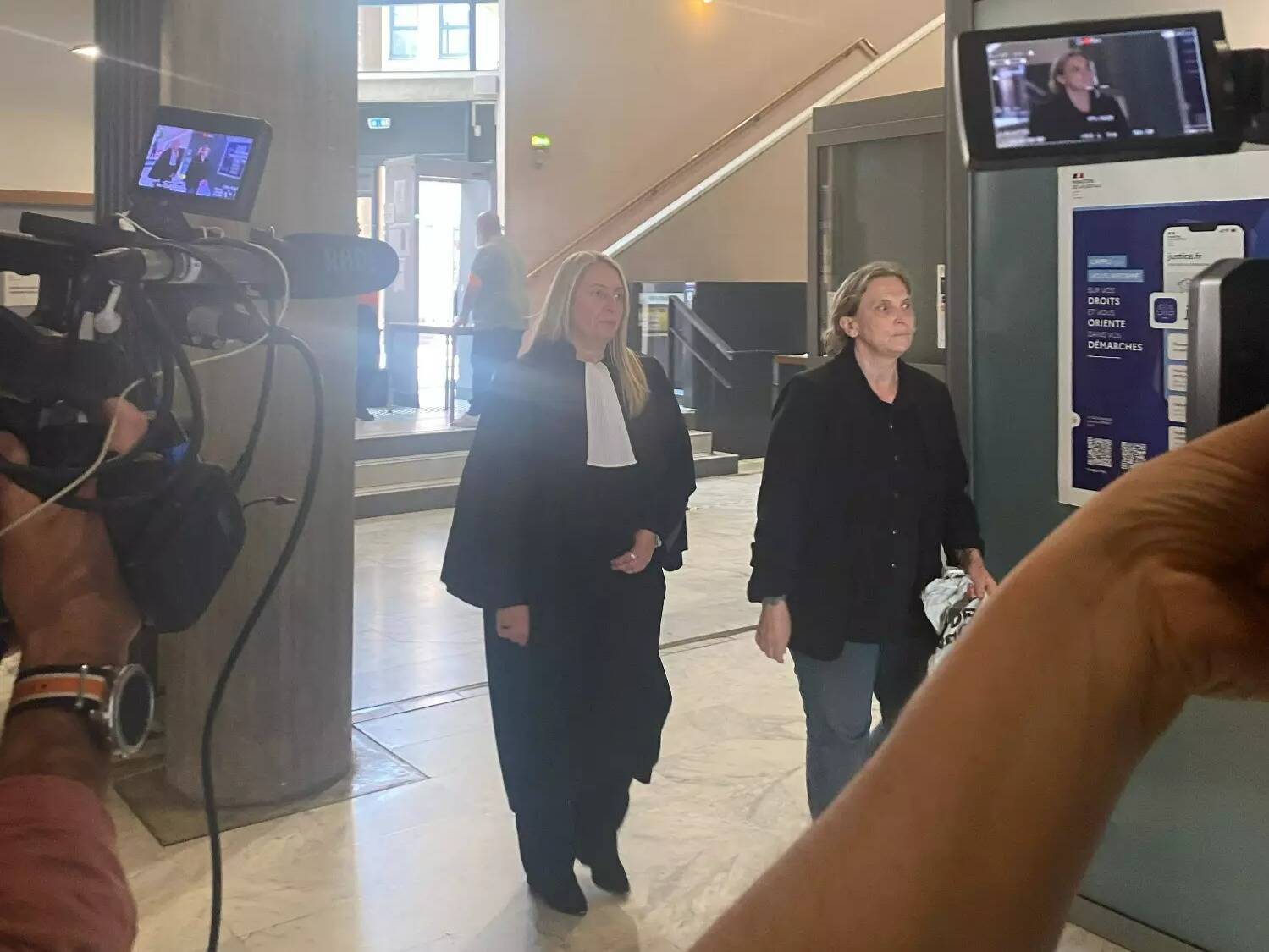
The Case of Véronique B.: A High-Stakes Fraud Trial
In a shocking turn of events, Véronique B., a taxi driver, found herself in the spotlight as she faced serious legal charges this Tuesday. The judicial proceedings were as intense as they were revealing, with a significant amount of evidence and accusations stacked against her. The case revolves around alleged fraud and money laundering, shining a light on systemic vulnerabilities in the healthcare system.
Background of the Case
Véronique B. has been accused of committing fraud against the social security system over a period of five years. The prosecution claims that she submitted false medical transport vouchers to various health insurance funds without ever providing the actual taxi services. Instead, she pocketed an astonishing sum of over 2.3 million euros. This revelation has rattled not just the court but the entire community, raising questions about how such fraudulent activities could go unnoticed for so long.
The Defense’s Arguments
During the trial, Véronique B. consistently maintained her position, claiming that she had only made "a few errors" and mismanaged her paperwork. In her defense, she argued that the responsibility for these misleading payments largely fell upon poor organization within the health insurance funds and her former accountant, who managed her administrative affairs. According to her, there was "never any intention" to commit fraud, indicating that her actions stemmed from administrative confusion rather than criminal intent.
Prosecution’s Stance
However, the prosecutor, Mathilde Gauvain, painted a starkly different picture. She asserted that the evidence showed a clear pattern of repeated fraudulent behavior. Gauvain highlighted specific instances where Véronique B. had submitted claims for transport services on the same day for an insured individual who had not utilized her services. For example, there were claims indicating transport fees totaling 4,000 euros claimed twenty times for services that never happened. In her closing arguments, the prosecutor described these actions as "classic fraud."
Gauvain did not hold back in her recommendations, suggesting three years of imprisonment with immediate detention and the confiscation of assets, which include a property in La Valette valued at 200,000 euros, gym equipment amounting to 400,000 euros, and several vehicles. The prosecutor aimed to underline the severity of the situation, urging the court to consider not just the financial implications but the broader implications on the healthcare system.
Examining the Impact
The allegations against Véronique B. have repercussions beyond just her personal legal troubles. This trial comes amidst a period of heightened tension among taxi drivers in France, as they face regulatory changes and renewed scrutiny from authorities. Indeed, the case has sparked protests among taxi drivers who have been demonstrating against new transport tariffs imposed by the Health Insurance system. The new framework, which is set to take effect on October 1, aims to combat abuses in medical transport—a situation dramatically personified by Véronique B.’s actions.
Assets and Investments
The prosecution also laid out the fruits of her alleged criminal activities, stating that Véronique B. used the proceeds to invest in a gym in La Farlède and purchased an apartment outright for her daughter. These details illustrate not only the personal gains she achieved through illegal means but also the social impact of her actions.
During the investigation, authorities have managed to seize approximately 1.4 million euros in criminal assets, emphasizing the scale and severity of the fraud committed. This detail adds a powerful layer to the narrative, showing that the consequences of fraud extend well beyond legal penalties; they also affect the broader economic environment.
Looking Ahead
As the trial continues, it highlights the critical need for improved audits and data verification within social security systems. The last session saw the presiding judge, Julie Gadiollet, announce that a decision would be reached by July 1. The legal community and the public are now left to ponder the significant implications of this case on both justice and the vulnerable areas in social service systems.
In summary, this trial is a stark warning about the perils of exploitation within the healthcare sector and a call to action for increased scrutiny and reform. The proceedings involving Véronique B. serve as a crucial lesson, not just for the involved parties, but for society as a whole.