
The Geographic Isolation of Rockall
Rockall is a tiny, inhospitable islet situated in the middle of the North Atlantic Ocean. With its dramatic cliffs and rugged surface, it appears almost sculpted to deter human visitors. This isolated landform stands just 25 meters wide and rises approximately 17 meters above sea level, making it a perilous outpost for adventurers. Historically, very few have attempted to spend significant time on its rough terrain, and those who have only managed brief stints, with the longest recorded duration being 45 days .
The nearest inhabited land, North Uist in the Outer Hebrides , lies about 370 kilometers away, making it one of the most secluded places on Earth. Its stark isolation poses a unique blend of ecological intrigue and political tension, as Rockall is not merely a deserted rock; rather, it plays a significant role in international territorial disputes and fishing rights.
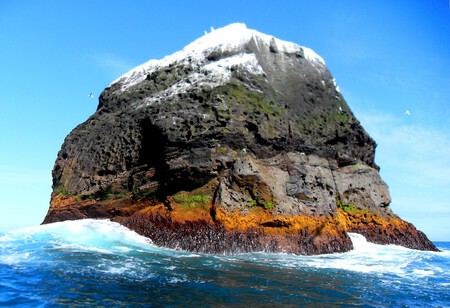
Rockall: The Most Isolated Rock
The geographical characteristics of Rockall contribute to its reputation as possibly the most isolated rock on the planet. Its steep slopes are constantly battered by the relentless waves of the Atlantic, making it nearly impossible for anyone to establish a permanent residence there. The few individuals who have attempted to withstand the elements have faced extreme conditions, with very limited space measuring just 3.5 meters by 1.3 meters for standing. British naturalist James Fisher aptly labeled Rockall as “the little most isolated rock of the oceans of the world.”
Over the years, various individuals have attempted to make history on this rugged landform. Perhaps the most notable record-holder is surveyor Nick Hancock , who spent 45 days on Rockall’s surface. And more recently, British Army veteran and teacher sought to break this record but was rescued after just 30 days on the challenging terrain.
A Rock with a Tumultuous History
Rockall’s history extends back several centuries, yet it became a point of intense political interest in the mid-20th century. In 1955 , in the midst of the Cold War, Queen Elizabeth II ordered the British Royal Navy to “take possession” of Rockall, leading to its subsequent annexation by the United Kingdom. This action heightened geopolitical tensions and underscored Rockall’s strategic value as it relates to defense in the region.
The HMS Vidal, tasked with claiming the islet, faced fierce winds that delayed their efforts to hoist the British flag, a vivid representation of just how inhospitable the rock truly is. This annexation marked Rockall as the last territory claimed by the British Empire and was officially integrated into the United Kingdom in 1972 through Parliamentary vote.
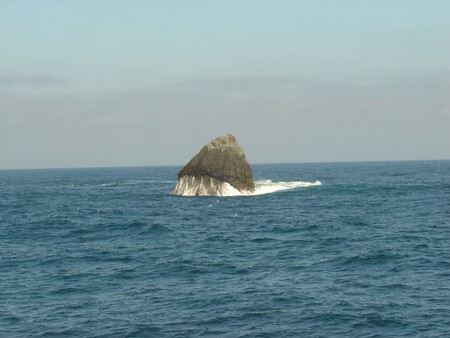
Why the Interest in Rockall?
Despite its inhospitable nature, Rockall drew British interest mainly due to its strategic location during the Cold War. With NATO submarines and Soviet forces patrolling the North Atlantic, securing Rockall became paramount. This rocky sanctuary served as a potential lookout for hostile agents trying to gather intelligence on British military activities.
Even after the Cold War, Rockall didn’t lose its significance; it transitioned into an economic asset . Geologists identified it as a source of valuable resources. The mineral-rich seabed surrounding Rockall potentially harbors oil reserves and a plethora of marine life, including economically valuable fish such as haddock and squid . However, these resources have also sparked territorial disputes with nations like Ireland and Iceland who lay claim to fishing rights in the surrounding waters.
The Modern-Day Disputes
In 1982 , the United Nations Convention on the Law of the Sea stipulated that barren rocks like Rockall could not justify territorial claims, complicating the UK’s stand on the issue. Despite this, disputes over fishing rights have continued to spark tensions in the region. Reports revealed that the Irish fishing industry, in particular, might be losing upwards of seven million euros annually due to the restrictions imposed by the UK regarding fishing near Rockall.
With the post-Brexit landscape shifting further dynamics, the ongoing disputes have only intensified. The complex web of legalities surrounding Rockall demonstrates how a mere rock—unyielding and uninhabited—can be a focal point of international intrigue and contention.
Today, Rockall continues to captivate historians, adventurers, and politicians alike. It stands as a testament to the intricate relationship between geography and geopolitics, revealing how even the most isolated patches of land can shape nations and their narratives.