
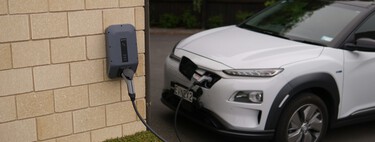
The Rise of Electric Vehicles in Spain: A Look at Charging Infrastructure
The expansion of electric vehicles (EVs) in Spain hinges on several critical factors, with one of the most significant being charging infrastructure. Autonomy in electric vehicles is essential, but so is reducing friction when it comes to charging. Recently, wireless charging solutions have emerged as a viable option, but it is equally important to expand the network of traditional charging stations. One company that has positioned itself as a leader in this space is Mercadona, a well-known supermarket chain in Spain.
Mercadona: Pioneering the Charging Network
The convenience of charging your electric vehicle while grocery shopping is an attractive proposition for many drivers. Mercadona plans to have nearly 5,000 active charging points by 2024, including more than 4,800 stations in Spain and nearly 140 in Portugal. This extensive network makes Mercadona one of the most significant players in the charging infrastructure landscape in the country.
Understanding the Network
To minimize charging friction, consumers can access a comprehensive list of charging points offered by Mercadona. On their official website, interested individuals can find important information like:
- Location and address of charging stations.
- Available charging spots at each location.
- Charging power options available.
It’s worth noting that while the number of charging stalls continues to grow, the charging power offered by Mercadona remains relatively limited. Currently, they provide two levels of charging power: 3.7 kW and 22 kW, which some users may find insufficient for rapid charging needs.
Details on Charging Options
Mercadona has introduced a straightforward charging policy that includes:
- Charging at 3.7 kW for free for up to 60 minutes .
- Charging at 22 kW for a fee of €0.25/kWh .
This arrangement primarily caters to daily urban drivers, allowing for a quick 15 kilometers of autonomy, ideal for typical city commutes. However, users are encouraged to bring their own cables, as this is not always provided.
Competitive Landscape
The market for EV charging facilities is becoming increasingly competitive. As Mercadona’s charging stations gain popularity, it’s likely that other supermarket chains will follow suit. Carrefour, for instance, already offers a map indicating their own limited charging network, which features faster charging options of 50 kW and 150 kW.
Additionally, Savoramás is currently collaborating with EDP to develop 450 charging points across 140 of its centers. Meanwhile, Lidl has already established more than 215 stores with a total of 654 charging points, featuring various charging connectors, albeit with less clarity on individual charging speeds. Similarly, El Corte Inglés has begun to provide exclusive charging points even for Tesla owners.
As electric vehicle adoption increases, we also see an expansion of charging networks in various other retail establishments. Notable names like Decathlon and McDonald’s are starting to feature charging stations, with power options reaching up to 150 kW. This expansion serves as a testament to the growing demand for convenient charging solutions amid the continued rise of electric vehicles.
In conclusion, the rise of electric car infrastructure in Spain reflects a larger trend towards sustainable mobility. As companies like Mercadona lead the charge with extensive networks and convenient solutions, consumers are given more reasons to shift toward electric vehicles. Whether through supermarkets or other retailers, the gradual development of a comprehensive charging network can only conclude as a positive step towards a greener future. The future of transportation may very well be electric, and the increasing availability of charging stations is a crucial component of that journey.