
Mate Rimac’s Ambition: Pursuing Full Control of Bugatti
According to what was published by Bloomberg, Mate Rimac, CEO of Bugatti following the merger of Rimac with Porsche, has set his sights on taking absolute control of one of the most prestigious brands in the luxury supercar market. This could represent a significant opportunity for Porsche , which currently faces various challenges and could benefit from divesting its stake in this renowned luxury car brand.
Current Ownership Structure of Bugatti
At present, the ownership structure of Bugatti reveals that Rimac Group controls 55% of Bugatti, while Porsche holds the remaining 45%. Rimac has expressed a keen interest in acquiring Porsche’s share for more than €1.1 billion. “It’s no secret that we are in talks,” Rimac confirmed during an interview in Singapore, indicating the gravity of his intentions.
Timeline for Acquisition
In order to execute the purchase offer, Mate Rimac has been actively seeking backing from international investors. If negotiations proceed smoothly, the transfer of shares could be finalized by 2026. This would solidify Rimac’s control over Bugatti, allowing him to navigate the brand’s future without external corporate constraints.
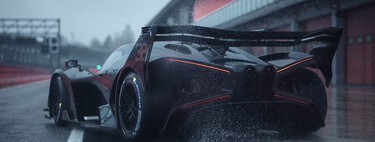
Bugatti’s luxurious world is showcased by supercars worth millions.
Motivation Behind Ownership Control
So, why does Rimac want to gain full control of Bugatti? According to statements from Rimac himself, he is weary of the ongoing negotiations required for any significant decision at Bugatti, especially those involving Porsche. He is keen to shape the brand’s trajectory independently.
“I just want to be able to make long-term decisions , make long-term investments, and act differently without having to explain myself to 50 people. When you deal with a corporation, there are so many factors. It’s families, a lot of families. It’s an emotional issue,” Rimac lamented, revealing the complexities of operating under corporate constraints.
Porsche’s Consideration
While Bugatti’s new releases have been well-received, Porsche is facing its set of challenges. Sales have plummeted, particularly in China, and the company must navigate the ongoing threat of U.S. tariffs . Porsche has invested heavily in electrification, but returns have been disappointing, leading them to reconsider their strategy and rely on traditional gasoline engines for some models.
In this context, selling Bugatti now would present Porsche with a straightforward opportunity to recover part of its investment, while easing the pressure associated with maintaining a stake in a brand that diverges from its future direction.
Future of Bugatti Under Rimac’s Vision
As Rimac looks toward a future of supercars , he is clear that Bugatti will maintain its identity centered around internal combustion engines. He insists that despite popular belief, there are no immediate plans for Bugatti to become fully electric. “All customers expected Bugatti to go fully electric and digital under my leadership. And they got just the opposite. There will be no fully electric vehicles at Bugatti in the near future,” he stated in an interview with Business Times.
Rimac is confident that the clientele preferring Bugatti does not desire the “ silence of an electric motor .” He further elaborated, “Even with the strength of the Bugatti brand and the design of the Tourbillon, if it were electric, we would have difficulties selling it. Customers prefer pure combustion engines, but hybrid solutions offer performance advantages, regulatory ease, and fewer requirements in certain countries.”
Interestingly, Rimac is not alone in this belief. Brands like Lamborghini share similar hesitations regarding electrification. “We have to convince customers,” a spokesperson for Lamborghini expressed, emphasizing the challenges faced by luxury brands in transitioning toward electric models.
In conclusion, Mate Rimac’s ambition to acquire full ownership of Bugatti represents a pivotal moment for the luxury auto industry. As he navigates negotiations with Porsche and outlines his vision for Bugatti, the future of the supercar landscape hangs in the balance. The decision regarding internal combustion versus electric vehicles will shape not only Bugatti’s identity but also the trajectory of luxury automotive engineering for years to come.