
When discussing a new device with artificial intelligence, most people immediately think of smartphones, laptops, or at best, conceptual devices like the Rabbit R1 or Humane AI Pin. However, Samsung recently revealed something that strays from these expectations. Introducing Project Luna, the South Korean tech giant has presented a device that offers a glimpse into a potential future home interface.
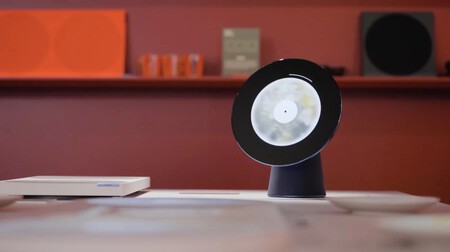
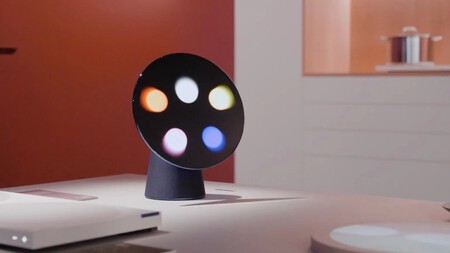
Project Luna, showcased in Milan, is currently in the conceptual phase. This innovative device features a unique desktop design with a circular, mobile screen that serves as its head, capable of rotating to face the user. Samsung’s material indicates that this head can not only rotate but also adjust its orientation based on user interaction. In essence, Luna aims to redefine the home device—not as a conventional speaker but as a thoughtfully designed item intended for direct user engagement.
A Concept That Points Beyond Conventional Speakers
In one demonstration, Luna sits on a kitchen counter, seamlessly connecting to a user’s smartphone. It plays music through an interface that invokes nostalgia, resembling a record player. Simultaneously, it answers queries via voice and screen, manages ambient lighting, and suggests meal options for the day. Projectors throughout the kitchen display pertinent data, like caloric content of recipes or calendar reminders for social gatherings.
But beyond its design, Luna embodies a larger ambition. In an interview with Fast Company, Mauro Porcini, Samsung’s chief design officer, noted that this concept symbolizes more than just a product—it reflects “a vibe, a feeling of the type of design language we want to use.” This perspective shifts focus from immediate product launches to the exploration of user interaction and design language in future AI devices.
In this context, it’s hard not to recall Apple’s ambitions. Recently, Mark Gurman from Bloomberg reported that Apple is advancing its own desktop home device. This device is expected to combine an iPad-like screen with a robotic arm, envisioned as a control center for homes, capable of video calls, and featuring a screen that can tilt and rotate 360 degrees. While not yet a tangible product, the parallels between these two concepts are undeniable.
The most compelling takeaway from this comparison lies in the broader trend indicated by these concepts. Both Samsung and Apple’s ambitions suggest a shift towards more interactive, tangible forms of home AI, moving beyond mere assistants or screens. While we are still in early days regarding product categories, these ideas serve as critical hints toward the direction that the industry may take in the years to come.

At this stage, it’s easy to wonder: where would such a device fit into our daily routines? Visualizing it on a kitchen counter—suggesting meals, answering quick queries, and playing music—paints a convincing picture. Yet, considering that our homes are already filled with devices that perform similar tasks, it raises questions about the necessity and utility of such innovations.
Images | Samsung
In Xataka | Meta spent 2 billion on a Chinese AI startup. China is clear that it was a conspiracy