
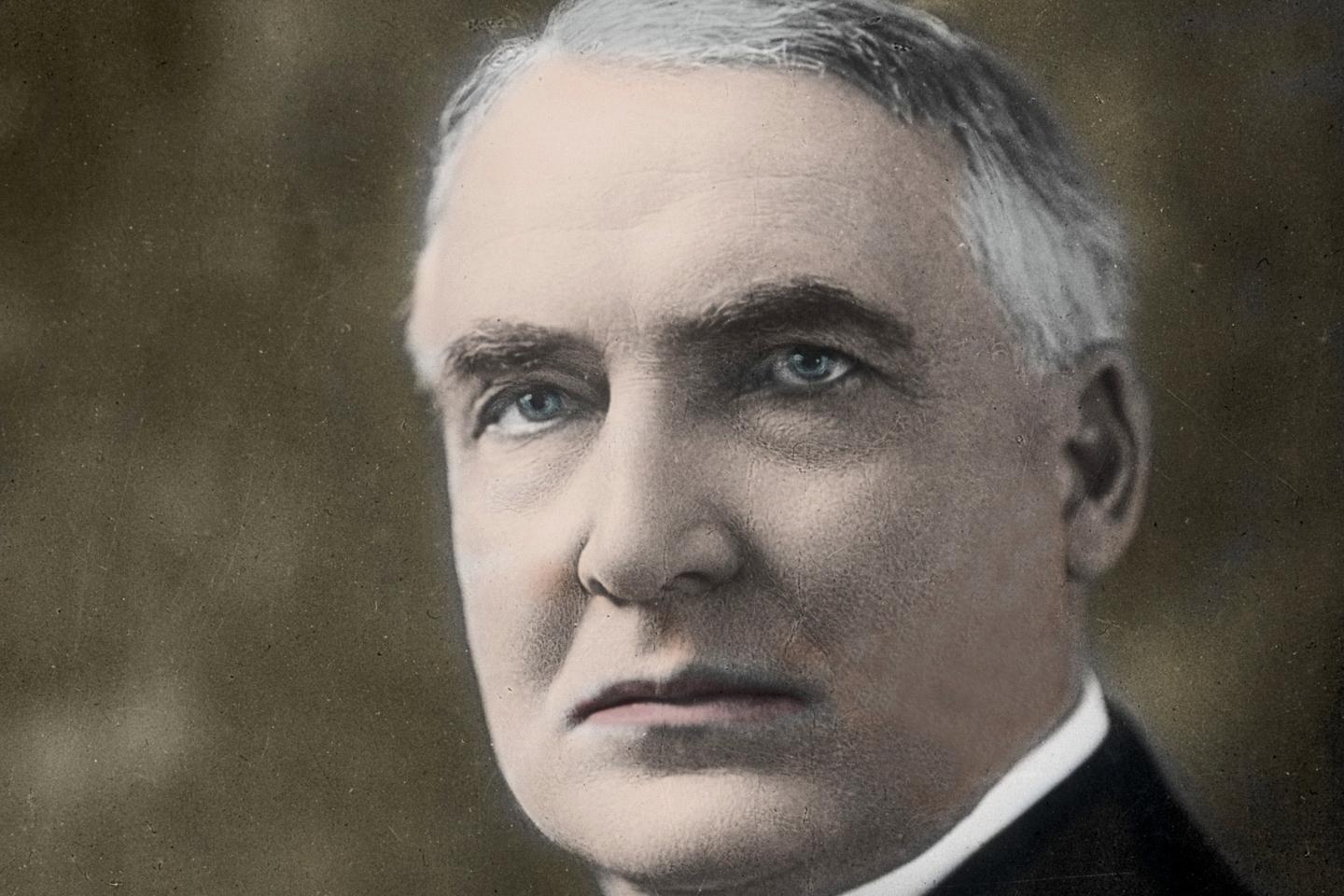
Exploring the Legacy of Warren G. Harding
Warren G. Harding, the 29th President of the United States, had a brief and tumultuous tenure from 1921 to 1923, often regarded as one of the most controversial figures in American political history. Although his presidency was overshadowed by scandals and a tragic death, the mystique surrounding his personal life continues to captivate the imagination of historians and authors alike.
The Superficiality Debate
Harding has frequently been labeled as “the most superficial president in history.” Critics argue that his leadership lacked depth, focusing more on public image than genuine policy. His administration was marred by the infamous Teapot Dome Scandal, involving bribery and corruption among his closest advisors. This negative perception, however, does not paint a complete picture of Harding as a man or as a leader.
Despite the controversies, Harding’s efforts towards economic recovery after World War I and his push for civil rights, albeit minimal, show a complexity often overlooked in historical evaluations. This complexity is also a theme explored in Robert Plunket’s book “I’m Looking for Warren Harding.”
The Narrative of Elliott Weiner
At the center of Plunket’s narrative is Elliott Weiner—a character embodying traits that many would describe as snobbish, vain, and opportunistic. Weiner’s quest to uncover Harding’s romantic correspondence leads him into a web of personal and historical complexities. Through this, Plunket delves into the nature of obsession and ambition. Weiner discovers a book titled “The Price of Love,” which contains the memoirs of Rebekah Kinney, Harding’s mistress.
This discovery ignites a spotty research endeavor that takes Weiner across the United States, blending both historical inquiry and personal ambition into a chaotic chase for a story that he believes can elevate his academic career. This pursuit becomes a commentary on the lengths to which individuals will go to seek fame and validation.
America’s Obsession with Celebrity
The narrative mirrors America’s obsession with celebrity culture, particularly in how people romanticize the past. Harding’s presidency, while officially trailing scandals, is seen through a lens of myth-making, drawing parallels to the Hollywood dream factory. As Weiner journeys through Hollywood, attempting to piece together the fragments of Harding’s life, the story amplifies the contrasts between personal struggle and public persona.
Along the way, we encounter Jonica, the granddaughter of Rebekah Kinney, who brings a new dimension to the quest. She grapples with her family’s legacy, demonstrating how historical figures impact the lives of their descendants. Jonica’s involvement forces Weiner to confront his own prejudices and motivations, presenting a broader commentary on the interplay between past and present.
A Closer Look at Rebekah Kinney
Rebekah Kinney emerges as a compelling character shaped by her relationship with Harding. Born into a society dictated by propriety, her memoirs reveal the sacrifices made for love and the complexity of being connected to a man with immense public scrutiny. Harding’s infidelity and the secrecy surrounding their relationship reflect the societal expectations of women during his presidency.
Plunket skillfully crafts a portrait of Kinney that transcends mere victimhood. She is a matriarch haunted by choices made and circumstances beyond her control. Her story intertwines with Weiner’s quest, drawing attention to themes of identity, legacy, and the societal constraints imposed upon women.
Metafiction and Historical Reflection
Plunket’s work blends metafiction—a narrative that draws attention to its own artificiality—with elements of biography, historical fiction, and personal narrative. This self-aware storytelling approach invites readers to question not only the veracity of Weiner’s interpretations but also the broader historical narrative of America. The journey to uncover the “real” Warren Harding transitions from mere exploration to deep reflection on how stories are constructed and remembered.
Moreover, as Weiner interacts with the many layers of Harding’s life, the reader is prompted to reflect on the nature of truth in storytelling. In a society enthralled by celebrity and narrative, Plunket reminds us that the quest for understanding often reveals more about ourselves than the subjects we seek to understand.
In conclusion, "I’m Looking for Warren Harding" serves not just as a quest for historical truth but as a mirror reflecting the complexities of human aspiration, identity, and the eternal dance between celebrity and legacy. It allows readers to navigate the intricate pathways of history while questioning the very essence of personal and collective memory. Plunket’s exploration is a robust commentary on the nature of power, love, and the shadows cast by those we attempt to idolize. Ultimately, the adventure of Elliott Weiner pushes us to consider what legacies we choose to celebrate and how we confront the complexities of our historical figures.