
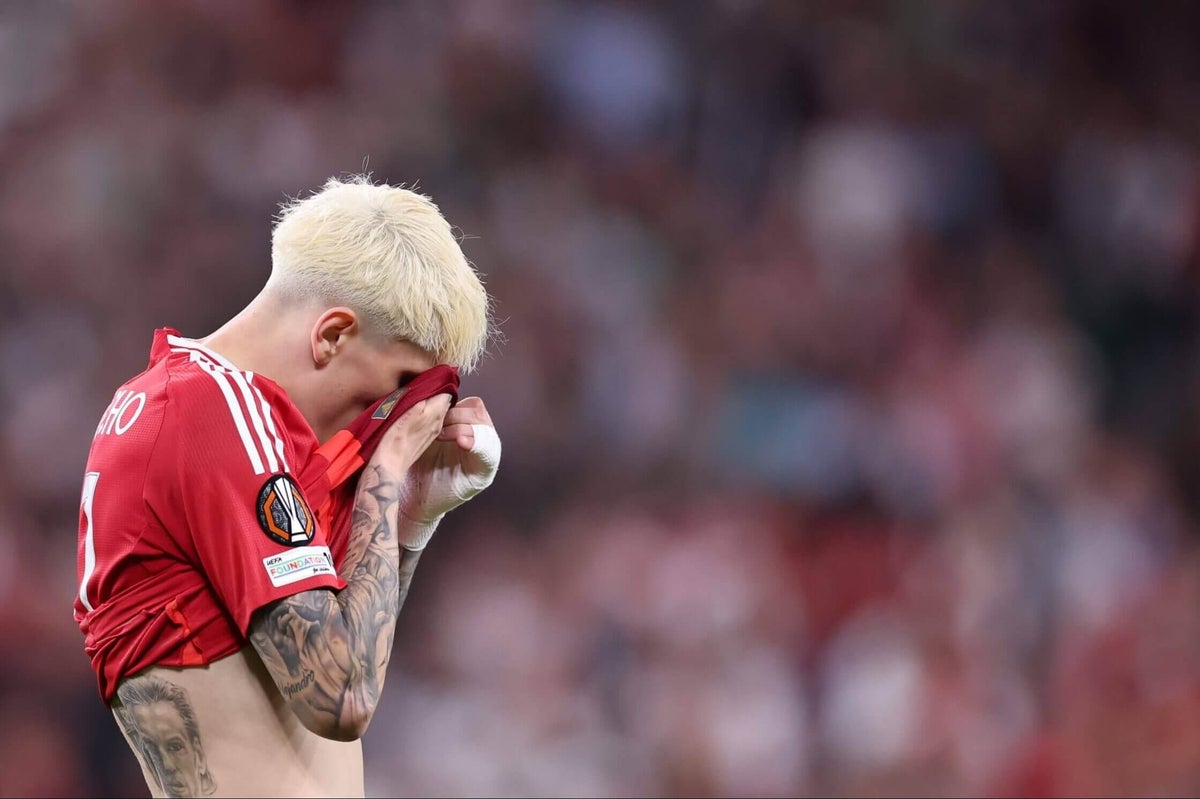
The Ups and Downs of Selling Talented Players at Manchester United
Manchester United is a club that has seen an array of players come and go over the years, each with their unique potential and storylines . Weathered by time and circumstances, some have flourished elsewhere, leaving fans to ponder what went wrong. Recent events surrounding the departure of Alejandro Garnacho serve as a reminder of this ongoing cycle , where players are often scapegoated in the relentless pursuit of a brighter future.
The Familiar Pattern of Player Exits
As fans can attest, it’s become a familiar routine for Manchester United to part ways with promising talents. Players like Scott McTominay , Romelu Lukaku , and even Antony have been caught in that web. While some players were doubted for their capability to meet the club’s lofty ambitions, others faced criticisms framed around their attitude and resilience under pressure. Just last Friday, McTominay and Lukaku celebrated a Serie A title victory with Napoli, demonstrating the potential they possessed that was perhaps not fully realized during their stints at Old Trafford.
Similarly, Antony, who faced scrutiny just months earlier, has made strides at Real Betis . His ability to adapt and score has been highly commendable, with five goals in his last nine matches. Young talents like Anthony Elanga have also found their footing as they contribute to a Nottingham Forest side striving for a Champions League position. Meanwhile, David de Gea , after a tumultuous end to his United career, is thriving at Fiorentina . Yet the question remains: why do so many talented individuals struggle to find success at United?
Assessing the Strategic Decisions of the Club
The intent is not to suggest that Manchester United was incorrect in severing ties with these players. However, it’s crucial to approach the club’s decision to potentially offload Garnacho with a balanced perspective. The club’s head coach, Ruben Amorim , recently informed Garnacho, in front of his teammates, that he should seek a new club. Such public announcements only serve to magnify the challenges of player relationships and morale within the team.
As Garnacho watches his fellow competitors succeed on larger stages, the emotional impact of that decision weighs heavily. The circumstance escalated to a series of unfortunate events, igniting frustrations that were publicly aired by both Garnacho and his brother post-match. These revelations highlighted the emotional intricacies of club dynamics and player sentiments, making it increasingly clear that managing these relationships is paramount in any sporting organization.
The Implications of Amorim’s Coaching Style
Amorim’s unique coaching philosophy appears to clash with the more traditional styles associated with United’s history, which could be detrimental to players who thrive on individual flair. Garnacho, with his dynamic and exuberant style of play, demands a level of freedom that “Amorim’s system” may not allow. His craving for space and an opportunity to beat defenders could easily be overshadowed by tactical inflexibility.
This disconnect leads us to evaluate whether the continuing emphasis on specific systems devalues the unique contributions of players like Garnacho. His attacking capabilities mirror the best traditions of United, where speed and unpredictability are celebrated traits. Yet, time and again, we find instances where those very qualities are stifled in pursuit of a singular game model.
The Future for Alejandro Garnacho
The ramifications of Garnacho’s almost-certain departure are complex. Although the club seeks to balance its financial books amidst ongoing scrutiny, they may also be sacrificing youthful talent that may flourish under different circumstances. Pricing Garnacho out of the market may be a gamble that the club is willing to take, but it raises questions about the potential loss of a burgeoning star—a reminder of past mistakes where talented players were allowed to exit without due consideration.
It’s essential to recognize that Garnacho remains a valuable asset, not only for his individual skill set but also for his contributions to the team—recording impressive statistics at just 20 years of age. If Manchester United truly aims to return to its former glory, enabling such individual talents to thrive must take precedence over rigid adherence to system constraints.
Conclusion: A Moment of Reckoning for Manchester United
The decision to offload Garnacho is emblematic of a larger problem within Manchester United—a balancing act between financial necessity and maintaining a competitive edge. As the club strives for internal renewal, they must remain mindful when identifying talent. Could this harsh treatment of a talented youngster be a missed opportunity for cultivating the club’s future? Only time will tell. As the club navigates through this turbulent phase, the need to assess the individual qualities of players, balanced with tactical requirements, will be crucial for success.