
The Controversy of Slogans: A Political Misstep for AKP?
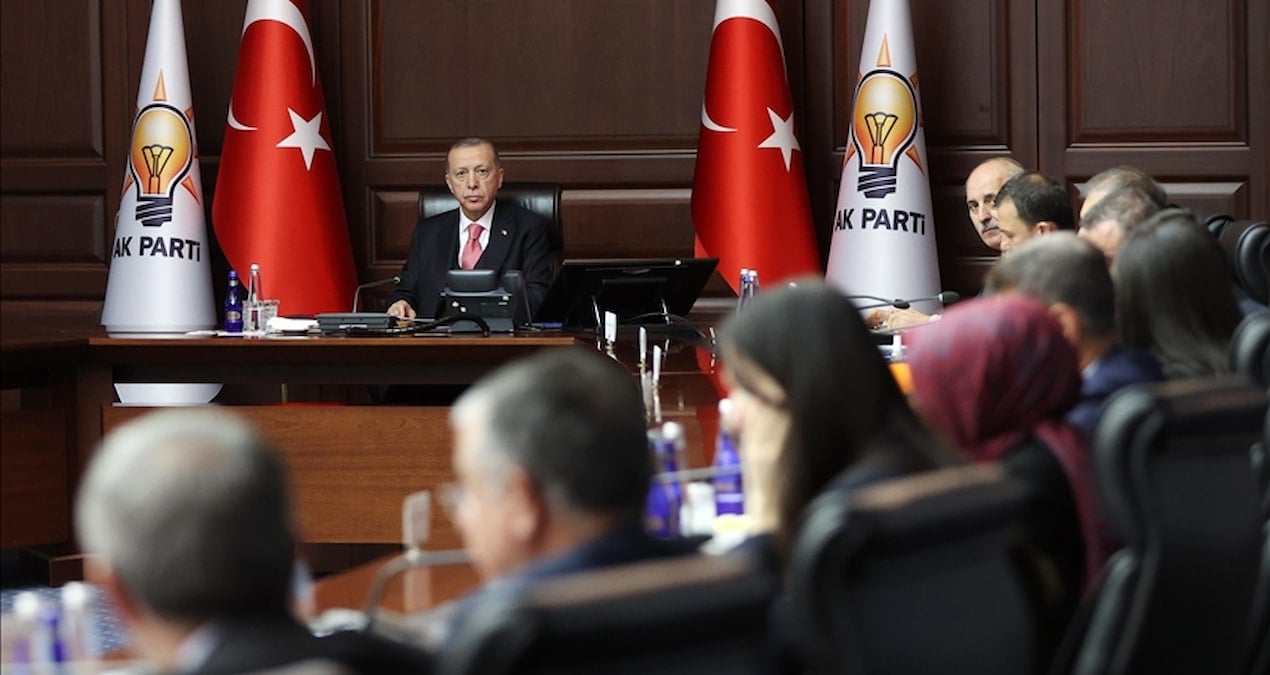
In a surprising twist of events, the recent political campaign by the ruling Justice and Development Party (AKP) has drawn attention for its slogan and the subsequent controversy surrounding it. The imagery of President Erdoğan has been plastered across billboards following the removal of campaign posters belonging to Istanbul Metropolitan Municipality (İBB) Mayor Ekrem İmamoğlu, ordered by the prosecutor’s office. AKP’s latest slogan is “ Adımız Kardeşlik Soyadımız Türkiye ,” translating to “Our Name is Brotherhood; Our Surname is Turkey.” These words were designed to resonate with citizens during the Kurban Bayramı festival, showcasing a message of unity and brotherhood.
However, as reported by Oda TV , the slogan bears an uncanny resemblance to one used by the Barış Partisi (Peace Party), established 28 years ago. The phrase “ Soyadımız Türkiye ,” or “Our Surname is Turkey,” was first popularized in 1996 by Ali Haydar Veziroğlu, the party’s founder, in a similar context. This historical connection raises questions about originality and political ethics in slogan usage.
The Fallout: Calls for Resignation
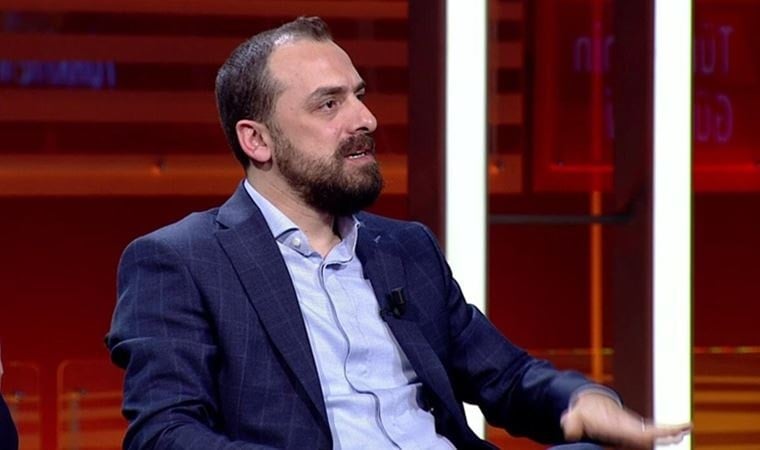
With this revelation comes the expectation for accountability within the party. All eyes are currently on Faruk Acar , the AKP official responsible for promotions and media relations. Reports indicate that this situation has created a crisis within the party, prompting discussions about Acar’s potential resignation due to the misstep. Given the historical context, the expectation is significant, yet the reality within the AKP speaks volumes about its culture of accountability .
The long-standing trend within the AKP is that few officials have publicly accepted responsibility resulting in resignation. While the allegations of slogan plagiarism are serious, the party leadership has not issued any official statements regarding this faux pas. Faruk Acar finds himself in a precarious position as his role becomes questioned amidst this controversy.
Public Opinion: Impacts and Reactions
The public response to this campaign has been mixed. Some citizens appreciate the message of unity, while others have expressed skepticism regarding the originality of the slogan. The broader implications of this incident could affect public trust in the AKP and its messaging as the nation approaches various upcoming elections. Social media platforms have erupted with varying opinions, and many users have pointed out the irony of borrowing a slogan from a less prominent party.
Critics argue that a political party should strive for authenticity in messaging. This incident poses a pressing question among the electorate: Is the AKP truly aligned with the values it promotes, or is it merely borrowing words to fill a void in an empty platform? This situation intensifies the scrutiny on the AKP’s capacity to innovate politically or if it is simply recycling past ideas.
The Broader Implications on Political Messaging
This incident does not merely reflect a singular blunder ; it opens a conversation about the ethical considerations of political communication. In a highly visual age where slogans and campaigns can make or break political fortunes, the importance of originality cannot be overstated. Politicians are often judged by their words and how they resonate with the public, making it crucial to maintain authenticity.
Furthermore, the backlash from this slogan could have significant ramifications for the AKP in the forthcoming elections. The critics argue that borrowing such a critical phrase may undermine the party’s credibility and its platform as a whole. The political landscape is complicated enough, and instances such as this serve as poignant reminders of the need for integrity in political messaging.
As the political landscape in Turkey continues to evolve, it’s pivotal for the AKP and other parties to reflect on their strategies and the extent to which they engage with the electorate through authentic narratives. The stakes are high, as the public continues to demand transparency and integrity from their leaders.
As this story continues to unfold, it will be interesting to see if Faruk Acar resigns or if the situation resolves without any change in leadership. The lessons learned from this incident could redefine how political campaigns are conducted in Turkey.
General News – 1