
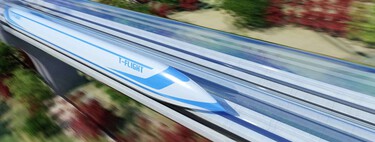
Spain’s Pursuit of Advanced AVE Trains from China
The intricate dynamics between China and the European Union are well-known, but Spain’s proactive approach towards strengthening ties with China is increasingly evident. As Spain navigates its strategic positioning, it seeks to maintain favorable trade relations with China while adhering to the EU’s regulatory framework.
Recent evidence highlights Spain’s intent to act as a mediator between the European Union and China. The Ministry of Defense has emphasized this role through various initiatives, showcasing Spain’s diplomatic engagement. The Sánchez government has previously attempted to balance interests during trade disputes, such as the recent U.S.-China trade tensions, reinforcing its commitment to opening up economic dialogues.
Investment and Infrastructure Developments
Spain has also seen a resurgence in investments, such as the establishment of the CATL factory in Aragon next to Stellantis. This move comes in light of broader EU discussions surrounding tariffs on Chinese products. As Spain capitalizes on these investments, the focus is shifting towards modernizing its infrastructure, particularly the rail network, to keep pace with global advancements.
Renfe’s Fleet Renewal Initiative
Amidst this backdrop, Renfe is set to renew its fleet of high-speed vehicles. Transportation Minister Óscar Puente has announced plans to launch a tender inviting international manufacturers to bid. Of particular interest is the Chinese manufacturer, China Railway Rolling Stock Corporation (CRRC), which is renowned for producing some of the fastest trains worldwide.
Notably, CRRC can deliver its trains much quicker than European counterparts, raising questions about the implications for European industries. Puente’s advocacy for a shift towards the “Airbus model” in the railway sector indicates a desire for increased competition and innovation within Europe.
Competitive Landscape
The potential contract for Renfe is projected to be worth around €27 million per unit. However, this opportunity introduces complexities, particularly concerning CRRC’s competitive pricing and the European Commission’s scrutiny of alleged state subsidies that bolster its market position. As the tender process progresses, other major players such as Siemens, Hitachi, Alstom, and CAF are also vying for contracts, each bringing unique capabilities and products to the table.
Siemens’ Velaro Novo, capable of reaching approximately 400 km/h, poses a viable European alternative, though its production capacity remains untested at mass scales. Meanwhile, Hitachi offers trains from its Italian facilities, albeit underused in Spain due to infrastructural limitations.
Future Considerations
The landscape for Spain’s railway modernization is fraught with challenges and opportunities. The looming European Commission investigations into CRRC could complicate matters for Spain, potentially impacting tender outcomes. Yet, should Spain pursue a more integrated approach akin to the Airbus model, it could bolster competitiveness across the EU’s rail manufacturing sector.
As this situation unfolds, Spain remains at a crossroads—deciding between rapid progress in high-speed rail capabilities and the various regulatory implications that come with engaging Chinese manufacturers. Time will tell how these dynamics contribute to the future of Spain’s AVE trains and the broader European railway landscape.
Photo Credit: Alejandro Luengo and Xataka