
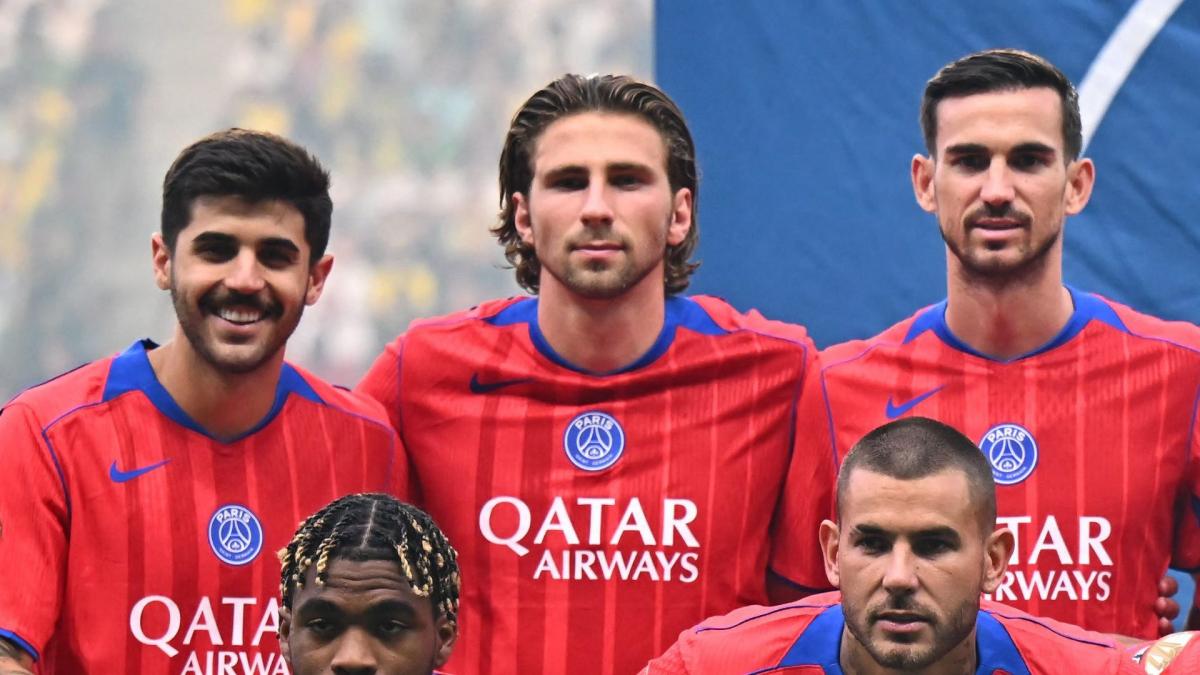
The Controversy of Cohabitation: Matvey Safonov and Illia Zabarnyi
The ongoing controversy surrounding the cohabitation of Russian footballer Matvey Safonov and Ukrainian player Illia Zabarnyi has captured the attention of fans and analysts alike. The dynamics of their relationship not only challenge the fabric of sportsmanship but also touch upon geopolitical tensions that color the landscape of modern football. As Ukraine and Russia grapple with ongoing conflicts, this unique locker room situation raises pressing questions about athletes’ personal choices and the broader implications of those choices.
A Delicate Balance in the Locker Room
Many athletes thrive in environments where team cohesion and camaraderie are paramount. However, the presence of Safonov, amidst ongoing war-related tensions in Ukraine, complicates this dynamic significantly. Evgeniy Levchenko, a former Ukrainian midfielder and the current president of the Dutch players’ union, voiced concerns regarding Zabarnyi’s potential discomfort. Levchenko’s comments indicate that the situation is deeper than just personal preferences; it embodies a larger socio-political narrative.
“Ilia’s personal position is undeniable,” Levchenko stated, emphasizing that the situation does not solely revolve around individual players but is intertwined with national sentiments. He elaborated on the idea that there may have been pre-existing agreements before Zabarnyi’s signing with Paris Saint-Germain (PSG), suggesting the possibility that he was led to believe Safonov would not be part of the team. This speculation opens discussions about the intersection of sport and politics, as athletes navigate expectations, loyalties, and moral dilemmas.
The Risks of Reputation
The involvement of Safonov and Zabarnyi in the same team raises issues regarding their reputations, not only among fans but also within their respective national landscapes. Sport has always been a reflection of society, and when athletes become symbols of their countries, their actions and allegiances can attract significant scrutiny.
“When you consider the backdrop of this ongoing conflict, you inevitably think about the implications for Zabarnyi’s image in Ukraine,” Levchenko pointed out. The ramifications of being teammates with a Russian player could pose risks that extend beyond football and into Zabarnyi’s professional future and public perception.
The Politics of Football
The intricacies of this situation highlight how interwoven politics and sport can be. Players, especially those from countries in conflict, often find themselves navigating a complex maze of loyalties. For Zabarnyi, joining PSG was likely a career move fueled by ambition and opportunity, but it was also a choice that could have been influenced by external pressures.
Levchenko suggested that PSG might have inadvertently “trapped” Zabarnyi into this situation. The expectation that Qatar’s ownership would mediate a smooth transition suggests an underlying belief in the politics of football—that team management can dictate not just the game but also player dynamics. For Zabarnyi, trusting PSG could lead to unforeseen consequences that may alienate him from fans back in Ukraine.
Going Public: A Double-Edged Sword
Similar situations have arisen in other sports where players from conflicting nations have had to interact professionally. Public sentiment can be mercurial, shifting based on political climates, and athletes often become public figures who must contend with both their sporting responsibilities and their national loyalties.
While Levchenko’s perspective provides insight, it raises another question: should athletes be vocal about their discomfort? Speaking out could lead to backlash from fans or even detract from team unity, yet remaining silent may result in resentment and internal strife. This dilemma often forces players into a double-bind, where they must weigh the value of their reputation against their commitment to their craft.
Seeking Solutions
In light of these complexities, how can teams create a more harmonious environment that acknowledges national sensitivities? Open dialogue between players, management, and even national federations could serve as essential stepping stones. By fostering an atmosphere where players feel secure in voicing their concerns, football clubs like PSG can transform locker rooms into areas of camaraderie instead of contention.
Fans also play a crucial role in shaping the narrative. By fostering an inclusive culture that understands the broader context of players’ decisions, supporters can help mitigate tensions, allowing for a supportive environment rather than one susceptible to division.
As the debate continues, the relationship between Safonov and Zabarnyi remains under scrutiny. In a world where sport often acts as a microcosm for greater issues, the dynamics in the PSG locker room serve as a potent reminder of the importance of unity and understanding in the realms of both sport and society.
In conclusion, the situation between Matvey Safonov and Illia Zabarnyi underscores the delicate interplay between personal and national identity in sport. As athletes navigate their careers against the backdrop of political conflicts, the implications of their choices extend well beyond the pitch. Understanding and communication among players, teams, and fans will be critical to fostering an environment that prioritizes mutual respect and compassion, allowing the game to flourish even amidst challenge.