
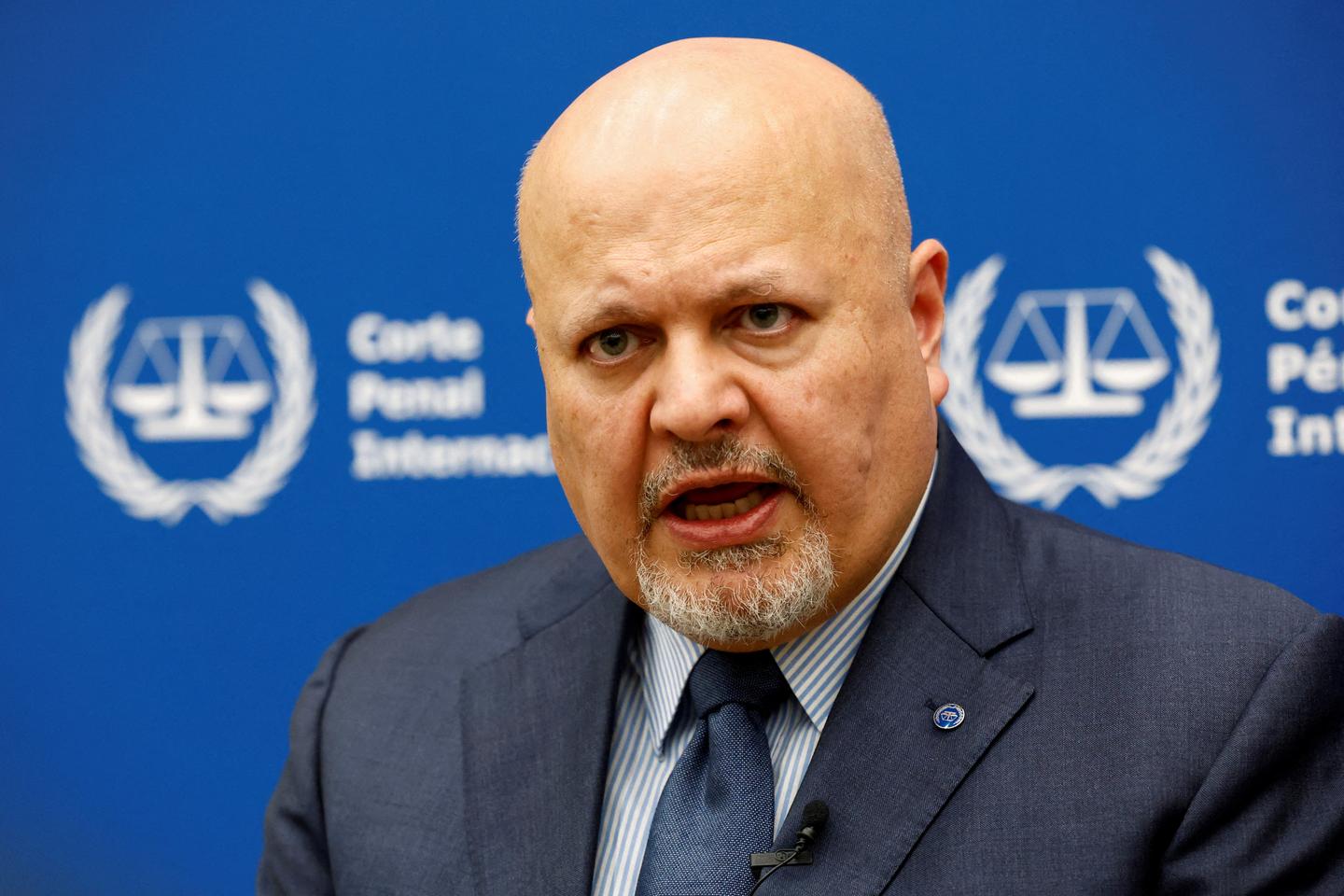
The Ongoing Controversy Surrounding ICC Prosecutor Karim Khan
Introduction to the ICC and Its Role in Global Justice
The International Criminal Court (ICC), established in 2002, serves a vital role in the international legal system by investigating and prosecuting serious offenses such as genocide, war crimes, crimes against humanity, and crimes of aggression. Based in The Hague, Netherlands, the ICC aims to deter future atrocities and ensure accountability for such egregious actions. However, the court has faced significant criticism and challenges since its inception, including disputes over jurisdiction, effectiveness, and the role of politics in its operations.
Recent Allegations Against Karim Khan
Karim Khan, the current prosecutor of the ICC, has recently come under fire due to an investigation launched in November 2024 regarding alleged misconduct. On May 16, 2025, Khan announced that he would temporarily step down from his position "until the end of the procedure." This move comes after several media outlets, including the Associated Press and Reuters, reported claims of inappropriate sexual behavior against him. Khan has vehemently denied these allegations, labeling them as unfounded charges.
Management During Khan’s Absence
In light of these developments, Khan’s office stated that deputy prosecutors would assume responsibilities during his absence. This interim measure is crucial for ensuring the continuous functioning of the ICC’s operations, particularly given the significant public interest surrounding ongoing and upcoming cases. The ICC’s supervisory body announced an official request for an external investigation, emphasizing the potential seriousness of the claims without offering additional details.
Khan’s Record and Noteworthy Actions
Despite the current controversy, Khan has previously made headlines for significant decisions as prosecutor. Notably, he pushed the court to issue arrest warrants against high-ranking officials, including Israeli Prime Minister Benyamin Netanyahu and former Defense Minister Yoav Gallant, as well as key figures from Hamas. This bold move aimed to hold those responsible for alleged war crimes accountable, illustrating Khan’s commitment to the ICC’s mission of justice.
The ICC’s Criticism and Political Challenges
The ICC has navigated a complex landscape fraught with political challenges and criticisms. One of the recurring points of contention involves allegations of political bias against the court, particularly regarding its focus on African leaders in previous years. Critics argue that the ICC disproportionately targets individuals from certain regions while ignoring infractions committed by powerful nations, contributing to a perception of inconsistency in its application of justice.
The Impact of U.S. Sanctions
Additionally, the ICC has faced pressure from various states, including the United States, which has imposed sanctions in response to the court’s activities. The Trump administration, for example, took a strong stance against the ICC, illustrating the potential geopolitical ramifications of the court’s decisions. These actions raise concerns about the effectiveness of the ICC, especially when sovereign nations challenge its authority or refuse to cooperate with investigations.
Public Perception and Future Implications
The implications of the allegations against Khan extend beyond individual accountability; they influence public perception of the ICC itself. As a prominent figure within the institution, Khan’s integrity directly reflects on the credibility of the court. Public confidence in the ICC’s ability to carry out impartial justice could be jeopardized if the investigation reveals serious transgressions.
Maintaining Credibility
To maintain its credibility, the ICC must navigate these complexities with transparency and integrity. The outcome of the investigation into Khan will play a crucial role in shaping perceptions of the court’s independence and effectiveness. Continuous public engagement and clear communication about the proceedings will be essential for restoring trust among stakeholders.
The Future of the ICC
The future landscape of the ICC hinges on various factors, including the resolution of the current allegations against Khan, ongoing geopolitical tensions, and the court’s ability to adapt to evolving global circumstances. As the ICC progresses, it must develop strategies to combat skepticism and challenges to its legitimacy. This includes fostering an environment of collaboration with member states and ensuring that it operates free from political pressures.
Conclusion
Karim Khan’s tenure as the ICC prosecutor has been marked by significant achievements and serious challenges. The ongoing investigation into alleged misconduct represents a critical moment for the court, as its findings may influence perceptions of international justice for years to come. The ICC’s ability to uphold its mission and continue pursuing justice for victims of severe crimes largely depends on the transparency and integrity with which it navigates these tumultuous waters.