
The Challenges Facing Turkey’s Opposition: A Call for Strategic Change
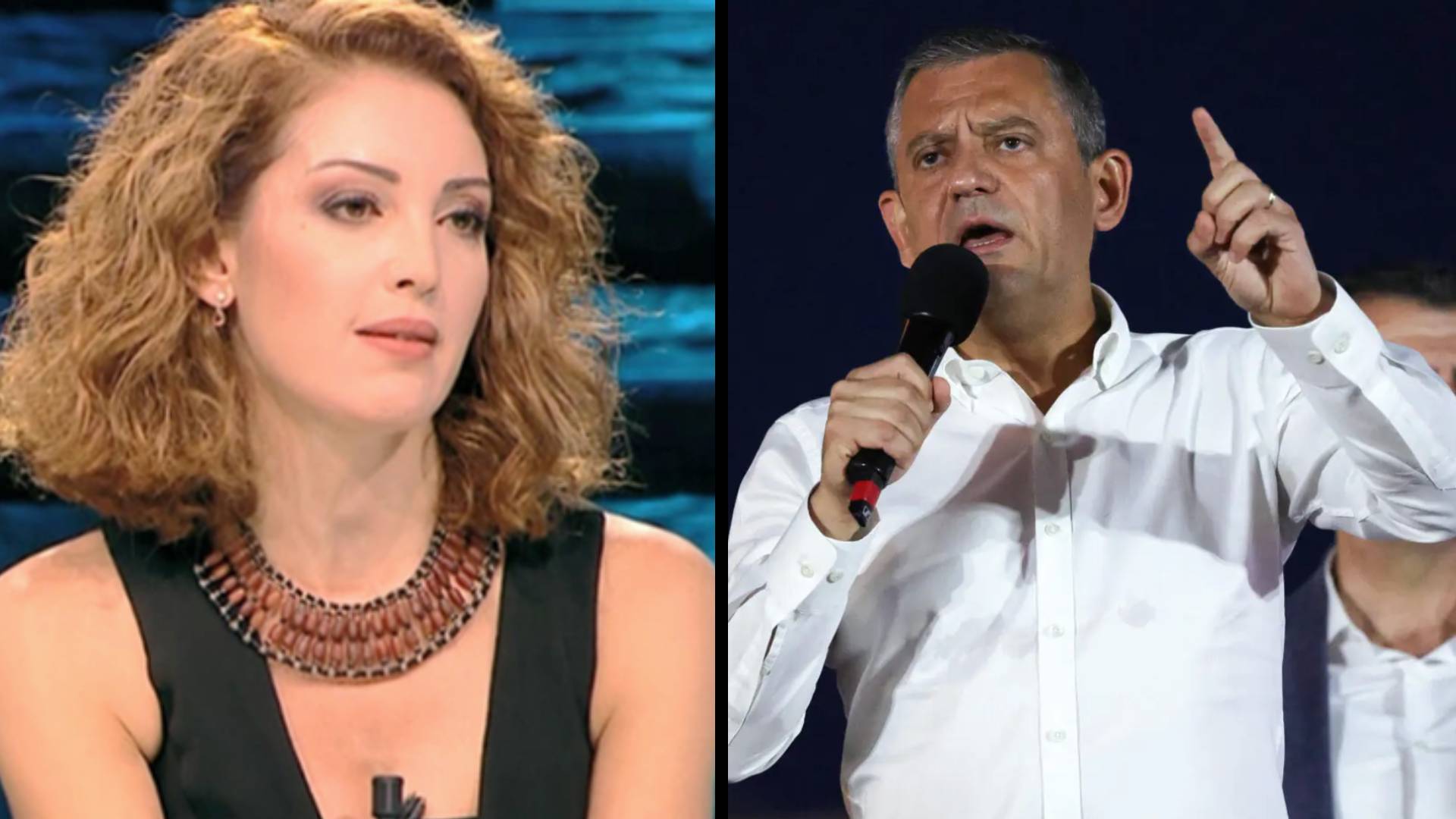
In the ever-evolving landscape of Turkish politics, Nagehan Alçı, a noted writer for HaberTürk, has raised crucial concerns regarding the current strategies of the Republican People’s Party (CHP) under the leadership of Özgür Özel. Alçı’s critique revolves around Özel’s escalating rhetoric, which she argues is increasingly dangerous and miscalculated. "Mr. Özel is playing with fire," she stated, emphasizing the urgent need for a new language and strategy within the opposition party.
Alçı acknowledges Özel’s feelings of being cornered politically but insists that his harsh statements and confrontational style only exacerbate tensions. “The tightening of his stance not only endangers the opposition but also contributes to the further encirclement of the CHP,” she contends. Her insights reflect a broader sentiment in Turkey’s political discourse that suggests a shift towards a more aggressive approach could backfire.
Understanding the Political Climate in Turkey
Contemplating the current political climate, Alçı remarks that Turkey is gravitating toward a more confrontational stance, which could have harmful consequences. She argues that while immediate emotional outbursts may resonate with a small segment of determined voters, they do not address the larger populace who yearn for peace and stability, regardless of their political affiliations.
In her detailed analysis, Alçı cites the findings from MetroPOLL’s normalization survey, which suggests that increasing tension within political narratives fails to find support among party bases. This highlights a critical disconnect; voters are apparently in favor of dialogue and moderation rather than aggressive rhetoric. “Özgür Özel’s challenges are greater than those of others,” she asserts, remarking on the complexity of leading a party that is attempting to regain its footing in a politically charged atmosphere.
The Importance of a New Strategy
Alçı clearly advocates for a shift in Özel’s approach, suggesting that a radical strategy change is necessary in order to resonate more effectively with the electorate. "Responding with anger and making threats will not solve the issue," she warns. The journalist’s plea for Özel to dedicate time during the upcoming holiday to contemplate a fresh discourse and strategy is pivotal. Such reflection could yield surprising outcomes in how the opposition chooses to communicate its agendas.
Additionally, Alçı emphasizes the significance of understanding Turkey’s existing socio-political framework rather than responding impulsively to provocations. She believes that rational dialogue is essential for navigating the complexities of Turkey’s political landscape. “What do millions of citizens who simply want to live in peace and harmony think?” she asks rhetorically, highlighting a critical dimension of the political narrative that often goes ignored.
Implications for the Future of Turkish Politics
The guidance offered by Alçı sheds light on the broader implications for Turkish politics. With the political environment constantly shifting, the strategies employed by both the ruling party and the opposition can significantly influence the overall health of democratic discourse in Turkey. The need for a more constructive and less combative style of opposition is essential not only for the CHP but also for the future of Turkish democracy.
If Özel can pivot to a strategy that embraces dialogue over aggression, it could represent a transformative moment for the CHP. The party would then not only address the immediate tactical issues they face but could also set the stage for a healthier, more constructive political atmosphere in Turkey. Change in political discourse could lead to an environment conducive to cooperation, fostering broader participation and engagement among citizens.
In summary, the insights from Alçı serve as a crucial reminder of the importance of strategy in the realm of Turkish politics. A shift from hostility to diplomacy within opposition rhetoric may not only aid the CHP in connecting with voters but could also pave the way for a more peaceful and stable Turkey. The challenge, as articulated through Alçı’s observations, remains whether Özgür Özel will heed this call for reflection and modification in approach.
For more in-depth analysis and discussions on this topic, click on the following links:
- Full article by Nagehan Alçı
- MetroPOLL’s normalization survey: Erdoğan and Özel need to meet again?
- Investigation into CHP leader Özgür Özel on charges of threats and insults
This multifaceted approach to understanding the challenges faced by Turkey’s political opposition illustrates the importance of adaptability and moderation in a highly charged environment.