
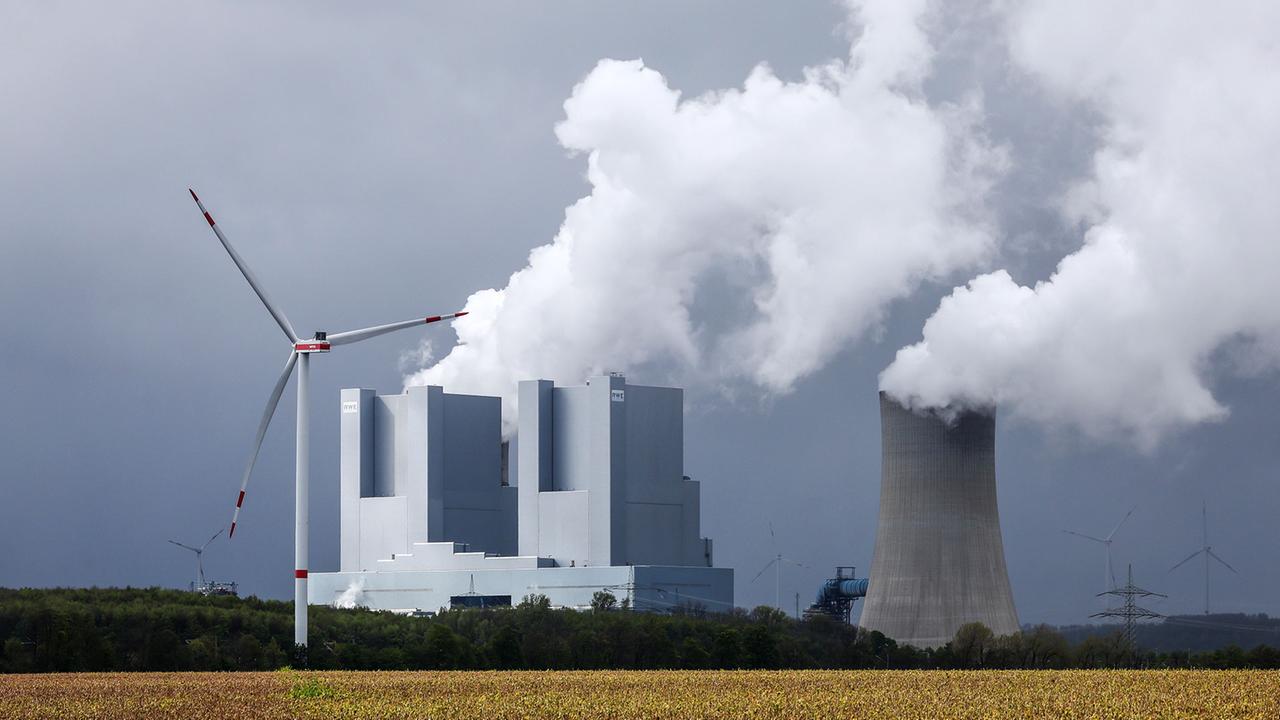
For the first time in two years, Germany generated more electricity from fossil fuels than from renewable sources in the first quarter of 2023. The primary reason was a lack of wind.
In the first quarter of this year, Germany experienced low wind conditions, leading to a greater reliance on fossil fuel energy sources compared to renewable energy sources. According to the Federal Statistical Office, this marks the first instance since the first quarter of 2023 where fossil fuel production surpassed renewable energy generation.
The statistics reveal that during the first quarter of this year, 50.5 percent of the electricity in Germany was produced from fossil sources, such as coal and natural gas. In the same quarter of the previous year, this figure stood at only 41.5 percent. Consequently, the share of renewable energy—predominantly from wind power—fell significantly, accounting for just 49.5 percent of total domestic electricity production, down from 58.5 percent in the first quarter of 2024.
This represents a 17 percent decline in electricity generated from renewable sources from January to March. In contrast, the generation from coal, natural gas, and other fossil fuels increased by 19.3 percent . Overall, the total electricity production in the first quarter was 119.4 billion kilowatt-hours , reflecting a 1.9 percent decrease in electricity compared to early 2024.
Wind Remains the Primary Electricity Producer
Despite the decline in renewable energy overall, wind power continued to be the most significant source of electricity generation in the first quarter, accounting for 27.8 percent of the total energy mix. This was closely followed by coal, contributing 27.0 percent , while natural gas saw an increase to 20.6 percent , up from 15.8 percent in 2024. Electricity generation from solar power rose by over a third, reaching a share of 9.2 percent of the total energy mix. Biogas contributed 6.1 percent , and hydropower accounted for 3.8 percent .
The main reason for the decline in electricity production from renewable energy sources was the low wind conditions. Statisticians noted that “an exceptionally low amount of wind characterized the first quarter.” The last time wind energy recorded such a low share in the first quarter was in 2021, with only 24.2 percent .
The decreased electricity generation from renewable sources was largely compensated by the operation of conventional power plants. Additionally, Germany’s electricity imports increased by 14.9 percent , amounting to 19.3 billion kilowatt-hours , while electricity exports declined by 3 percent , totaling 16.2 billion kilowatt-hours .
The fluctuating energy generation landscape raises critical questions about the stability and future of Germany’s energy transition . As the country continues to phase out nuclear and fossil fuel plants in favor of more sustainable options, the current shift back to fossil fuels underscores the necessity for improved energy storage solutions and diversified energy portfolios. Weather dependency remains a significant factor, and innovative strategies must be developed to ensure a more resilient energy supply chain.
As Germany navigates through these challenges, the ongoing investments in renewable technologies and infrastructure will be essential in paving the way toward a more sustainable future. Policymakers and industry leaders must work together to promote not only the growth of renewable energy but also the integration of smart technologies that can help mitigate the effects of unpredictable weather patterns. In doing so, Germany can enhance its energy independence and maintain its commitment to reducing greenhouse gas emissions.