
The Ongoing Debate Over Retirement Reforms in France: A Comprehensive Overview
In recent months, retirement reform has emerged as a hot topic in France, igniting discussions and protests across the nation. With the French government attempting to raise the retirement age from 62 to 64, the implications of such a move resonate deeply with the public. Striking a balance between fiscal responsibility and workers’ rights is at the heart of this debate, as millions of French citizens grapple with the potential risks to their future security.
The reforms, originally proposed to address the projected pension system deficit, have been met with widespread resistance. Unions have mobilized to represent workers’ interests, arguing that raising the retirement age is not only unjust but also disproportionately affects lower-income individuals who may not have the same life expectancy as their wealthier counterparts. For many, the prospect of extending their working years raises serious concerns about health and job conditions.
The Public Reaction: Protests and Strikes
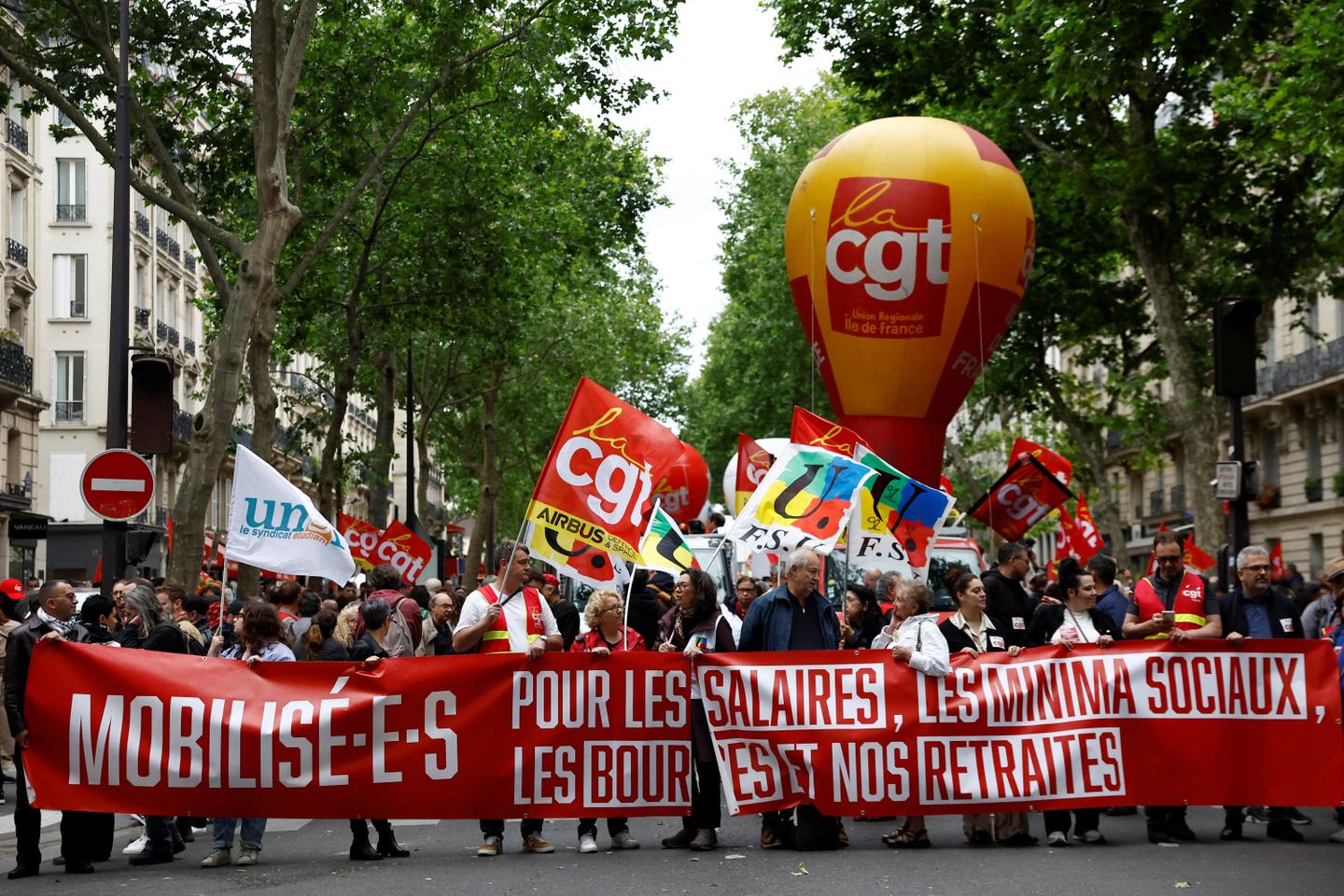
In March, protests erupted in various cities, demonstrating the public’s vehement opposition to the reform. In Morlaix, for example, around 70 protesters gathered, holding signs calling for the abrogation of the reform. These demonstrations underscore how deeply personal the issue of retirement is to many individuals, igniting solidarity among protesters. The massive turnout showcases the strong grassroots movement, with people from different sectors joined in their demand for fair treatment.
Moreover, unions like the CGT (General Confederation of Labor) have actively encouraged members to join these protests, illustrating a unified front against the government’s proposals. Their calls for strikes and mobilizations have mobilized thousands across the country, showing just how serious the matter is for workers.
Government’s Perspective and Legislative Challenges
As the debates unfold, the French government is adamant about proceeding with the proposed reforms. They argue that increasing the retirement age is essential for ensuring the pension system’s viability in the long term. Given an aging population and rising life expectancy, the government maintains that these reforms are necessary to prevent crippling deficits—essentially pushing the burden onto future generations.
In the National Assembly, discussions have intensified, with legislators debating not just the proposal itself but also potential compromises. The government has suggested phased implementations or alterations that could mitigate extreme reactions from the populace while still achieving their desired reforms. However, such compromises have been met with skepticism, particularly by influential unions like the CFDT (French Democratic Confederation of Labor), who have firmly rejected any form of "low-cost" compromise.
Key Arguments Against the Reforms
The opposition’s criticisms primarily stem from concerns regarding the equity of the reforms. Many argue that raising the retirement age is inequitable since it disproportionately affects those in low-paying jobs, who often face harsher working conditions and shorter life expectancies. Proponents of the reforms might argue that longevity necessitates extending working years, but studies indicate significant disparities in life expectancy across different socioeconomic strata.
Additionally, critics fear that continued resistance could lead to a social backlash, further polarizing the nation. With tensions already high, the potential for unrest poses risks not only to the government’s stability but also to the social fabric of communities across France.
Conclusion: The Path Forward
As the debate continues, the future of retirement reforms in France remains uncertain. With passionate arguments on both sides, the resolution of this issue demands careful consideration and an understanding of the far-reaching implications for all citizens. Whether through negotiation, compromise, or continued mobilization, the question of retirement reform will undoubtedly shape the social and political landscape in France for years to come. The outcome will hopefully reflect not just a balance of fiscal responsibility but also respect for the rights and livelihoods of all workers.