
OpenAI’s Ambitious Financial Goals: Is the Strategy Sustainable?
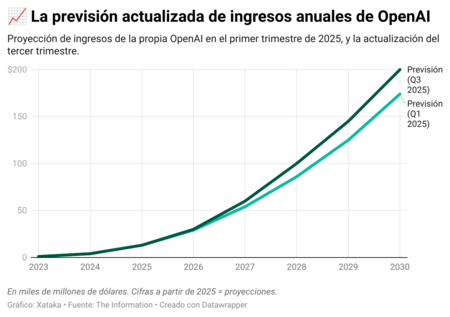
OpenAI has set an audacious target of generating $200 billion in revenue by the year 2030. This figure has garnered widespread attention, particularly since internal documents indicate that the company will need to multiply its current income by 13 within just five years to reach this goal. According to reports from The Information, OpenAI is facing a pressing challenge; currently, the company is burning through billions of dollars every month and plans to allocate approximately $90 billion solely for research and development by 2030.
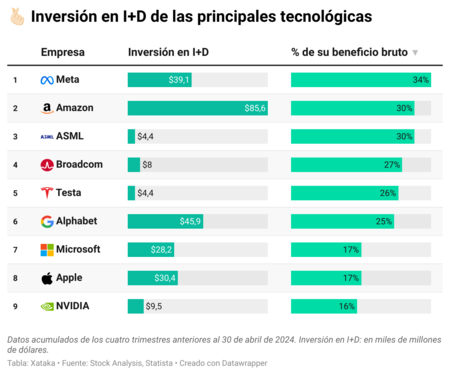
Why is this significant? This staggering R&D expenditure represents 45% of OpenAI’s projected income. For comparison, other major tech companies generally allocate between 15% and 30% of their gross benefits to R&D. If OpenAI’s income falls short of its ambitious targets, this percentage allocated to development will inevitably increase, putting further strain on its financial structure.
Projected Financial Growth
OpenAI expects its revenue to grow from $13 billion in 2024 to $200 billion by 2030. This projection reflects an ambitious increase, suggesting a struggle for long-term sustainability in a highly competitive market. OpenAI’s R&D investment would likely be approximately twice that of other similarly successful and established tech companies. The burden of achieving these goals mostly falls on large corporations continuing to invest in generative AI technologies. However, should investments dwindle, OpenAI could find itself grappling with severe financial challenges, even if this does not signal a bursting bubble in the AI sector.
Interestingly, OpenAI has already revised its revenue expectations upward once this year, indicating a noteworthy optimism regarding future growth. However, these projections are made with caution, hinting at the volatility of market conditions.
The Viability of OpenAI’s Business Model
A fundamental question arises: is a business model sustainable wherein nearly half of the income is allocated to research and development? If OpenAI’s revenue does not climb in alignment with its projections, the company could face significant hurdles. Recently, OpenAI announced a substantial partnership with Oracle, which could represent a strategic move to help fulfill its funding requirements. However, fulfilling such commitments will likely demand innovative solutions, such as shifting operational structures or accepting payments in alternative forms, similar to prior arrangements made with Microsoft involving Azure credits.
OpenAI’s trajectory may hold great promise, yet the financial implications of its ambitious goals raise pertinent questions about its viability in a rapidly changing tech landscape. The company’s success depends not just on internal strategies but also on external factors such as ongoing investment trends in the AI sector . As the tech ecosystem evolves, OpenAI’s ability to navigate these waters will be critical for its long-term sustainability and growth.