
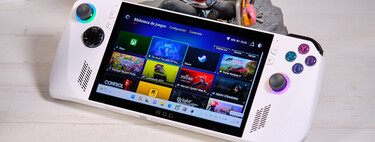
The launch of the Nintendo Switch 2 has been nothing short of remarkable. Within just four days of its release, the console sold an impressive 3.5 million units , setting a record for sales. This achievement is a testament to Nintendo’s ability to innovate and adapt, especially considering the mixed reception the original Switch received. As reported, the Nintendo Switch 2 is not just a worthy successor but also a significant improvement over its predecessor. Despite this success, the new model still faces challenges that need to be addressed.
The Problem. While the original Nintendo Switch was celebrated for its portability, the new version continues to uphold this legacy but retains some issues that may disappoint gamers. One key limitation is the dock system. Unlike other portable consoles that can easily connect to TVs via a USB-C to HDMI cable, the Switch requires a specific dock that also powers the console. This setup can be cumbersome, particularly in social situations or while traveling.
The need for a specialized dock can make it challenging to enjoy gameplay in various settings, such as a friend’s house or a hotel room. Players often wish they could quickly swap between handheld and docked modes without the hassle of setting up a cumbersome device.
The Great Absent. Nintendo’s accessory lineup for the Switch 2 includes a variety of offerings—controllers, charging stands, and protective cases—yet it conspicuously lacks a travel-friendly dock. This omission leaves a gap that third-party manufacturers are trying to fill. A compact, portable docking solution is sorely needed for gamers who wish to play on the big screen while on the go, suggesting that Nintendo has missed an opportunity to enhance the user experience.
The (Sometimes Unreliable) Alternative Market. The rise of third-party accessories has led to various alternative docks being introduced to the market. Brands like Antank provide wireless connectivity options that are compatible with the Switch 2. Unfortunately, many of these products are reportedly less than reliable. A recent review on Reddit highlighted issues such as poor compatibility with certain television models, limited HDR support, and ventilation blockages.
With these considerations, it’s clear that users need to be cautious when opting for third-party docks as they can complicate the gaming experience rather than enhance it. Gamers are urged to conduct thorough research and check user feedback before investing in these products.
Makers to the Rescue. As an alternative to the mainstream options, creative makers have started producing 3D-printed docks designed specifically for the Switch 2 . These designs can be compact enough to fit in transport covers and even include features such as built-in cooling fans. However, using these models comes with its own complications, as they often require disassembling the original Nintendo dock to utilize its components, a task requiring a fair amount of technical know-how.
With Some Complication. Although changing the structure may seem straightforward, certain aspects, like flexible ribbon cables, can be fragile and may pose risks during the switch. The responsibility for any potential damage falls squarely on the user’s shoulders. Once the new dock is set up, gamers can easily connect a USB-C cable from the Switch 2 to the custom dock, which then connects to a TV via HDMI, promising a seamless gameplay experience.
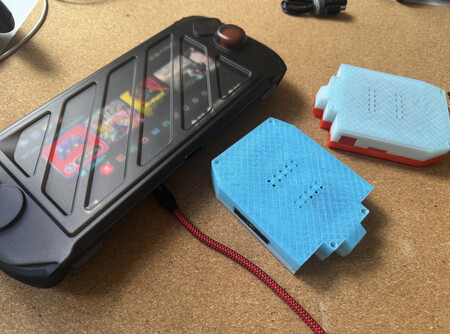
There Are Also Ideas for the Original Switch. The approach of using 3D printed bases isn’t limited to the Switch 2. Similar methods are employed for the original Switch, where makers are reusing its existing components for new, space-saving solutions. The focus remains on convenience and efficiency, with the innovative potential of 3D printing paving the way for a new kind of accessory market.
In conclusion, while the Nintendo Switch 2 has enjoyed a strong market debut, it remains clear that there are unforeseen challenges and gaps in accessory compatibility that Nintendo must address. Gamers continue to seek versatile options for on-the-go play, and the growing DIY movement in the gaming community reflects an eagerness for practical solutions. As the market evolves, it will be interesting to see how Nintendo responds and whether third-party developers can adequately fill the gaps.