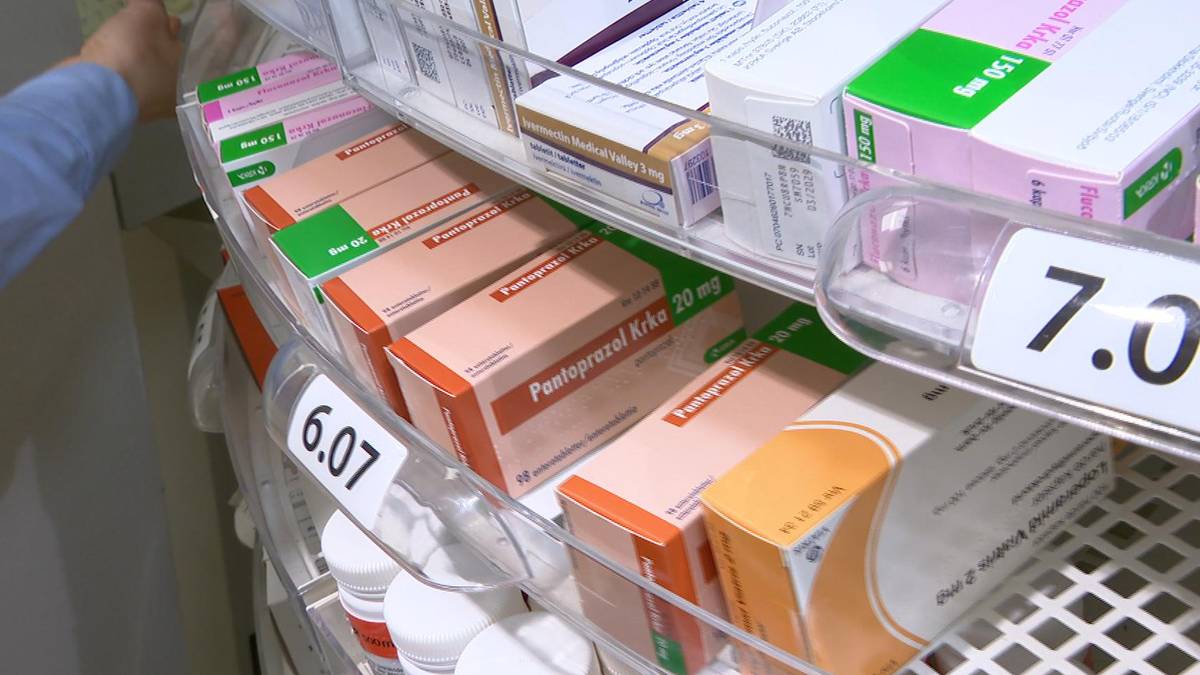
All over the world, people are increasingly infected by bacteria that are difficult to crack with antibiotics. In Norway, too, there is a sharp increase in the number of people infected by antibiotic -resistant bacteria. It shows completely fresh figures from the Norwegian Institute of Public Health. Here, the increase is shown in the resistant bacteria that cause the most serious infections: From 2023 to 2024, more than 20 percent became more infected by resistant bacteria that can cause dangerous infections compared to last year. Also the years before we have seen sharp increases. Senior physician Miriam Sare at the Institute of Public Health says they see a sharp increase and are most concerned about the bacteria that cause the most serious infections. Photo: Marianne Ytre-Eide / news-The more antibiotics we use, the greater the danger that the bacteria are resistant and that it does not find medicines that can treat them, says FHI Miriam Sare, chief physician. Earlier this year, the Pharmacy Association news said that the use of antibiotics is also increasing. Bring the bacteria home from the South the authorities have for a long time said that they are worried and asked us to use less antibiotics. Professor Marit Otterlei at the Department of Clinical and Molecular Medicine at NTNU says we often take the resistant bacteria home from abroad. – You have it in the stomach and intestinal system for up to one year after being in the so -called south. And then you come to hospital, then you can spread it there. South infection: Resistant bacteria often find their way to Norway after southern holidays. The image is modeled and intended as an illustration. Photo: Lise Åserud / NTB She says there are many vulnerable patients who are sick and tolerate little. – It has turned out that it is very difficult to get rid of them again. Bacteria that have resistance can share resistance with other bacteria as well. Professor Marit Otterlei at NTNU says that the resistant bacteria can live in the intestinal system for one year. Photo: Jøte Toftaker / news Also Dr. Sare in FHI says the biggest concern is when bacteria that are extra resistant to antibiotics enter hospitals. – We are most concerned that these will spread in hospitals. A lot of antibiotics are used, which makes these bacteria often thrive there, and can become part of the environment. She says medical evacuation of patients from Ukraine to Norwegian hospitals as a result of the war can explain something, but only parts of the increase. Particularly concerned about gut bacteria there is especially a type of bacteria they are concerned about, says Sare of FHI. – There are bacteria that are usually part of the intestinal flora, such as E. coli that are common bacteria that can cause serious infections. And when they become especially resistant, they become very difficult to treat. She says all people have these bacteria in the body, and that you can sometimes get infections from them. – The problem is when they become very resistant and if you have few antibiotic types to choose from. Or maybe sometimes nobody. In the past, news has said that if the authorities do not get control of antibiotic use and resistance, more of resistant bacteria will die than cancer in 50 years, according to a study published in The Lancet. – I think it is not very surprising that it is increasing, because we see that it increases a lot elsewhere in Europe. But we want to slow down the development as much as possible, and hope it is possible to prevent new cases of infection through good infection control measures and proper antibiotic use. Published 07.05.2025, at. 07.00 Updated 07.05.2025, at. 08.25
ttn-69