
The Stray Dogs of Mexico: A Cultural Phenomenon
The Story of Hachiko
In recent years, a poignant story from Mexico City circulated widely, featuring a stray dog affectionately known as the “Hachiko of La Raza.” This dog gained notoriety for spending countless hours at a subway exit, waiting for an owner who had tragically passed away. Local residents, touched by his loyalty, began to leave him food and water, turning him into a symbol of loyalty and abandonment intertwined within the urban landscape.
A National Symbol: The Candy Dog
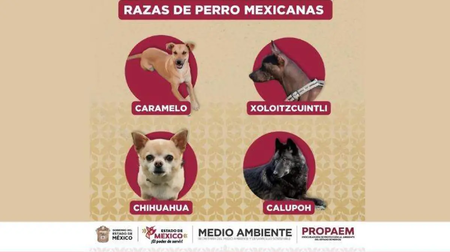
Mexico has reached a unique threshold where stray dogs have become a prominent part of its cultural identity. The so-called “Candy dog,” characterized by its yellowish fur and sharp snout, has become synonymous with the Mexican urban experience. These street-smart dogs navigate the complexities of their environment, relying on the kindness of neighbors for survival. This phenomenon is reflective of a broader Latin American issue, where abandoned animals are no longer outliers but have become an inherent aspect of urban life.
The Birth of a “Race” from Abandonment
The notion of a “Candy dog” represents a mixture of various breeds, a testament to the decades of neglect that have led to genetic diversity among these strays. A Brazilian study indicates that these dogs hold lineage traces from numerous breeds, like the German Shepherd and Pekingese. Adapted to their harsh urban environments, these dogs exhibit common traits—medium size, short hair, and a coat well-suited for hot weather.
Recognizable Yet Unadoptable
Despite their familiarity, these stray dogs, including the Candy dog, often find themselves overlooked when it comes to adoption. While breeds like Golden Retrievers and German Shepherds attract numerous adoption requests, mixed breed dogs frequently languish in shelters. Their prevalence leads to paradoxical situations where society expresses affection through memes and social media but fails to convert that sentiment into tangible action, such as adoptions, vaccinations, or long-term care.
A Crisis of Animal Abandonment
Behind the heartening images of these dogs lies a grim reality. Official estimates suggest that approximately 70% of dogs in Mexico are homeless, many abandoned pets struggling for survival on the streets. The numbers are staggering, with thousands of animals becoming homeless each day. This situation has led to dire circumstances, including extreme government actions against stray populations, highlighting the urgent need for effective solutions.
Community Care vs. Official Responsibility
The phenomenon of the Candy dog raises uncomfortable truths about community and responsibility. Many of these dogs rely on a web of informal care, with neighbors providing food, shelter, and even occasional veterinary services. However, without designated owners, these dogs often miss out on critical health treatments like vaccinations and sterilizations. They exist in a precarious state—appreciated yet neglected, beloved yet invisible.
Conclusion: A Symbol of Modern Mexico
The stray dog phenomenon in Mexico serves as a powerful symbol of both affection and systemic failure. While these dogs have cemented their place in the cultural landscape, the normalization of abandonment is a serious challenge that calls for urgent action. As the nation grapples with its crisis of animal abandonment, fostering a new understanding of responsibility may be the key to ensuring that these once-abandoned companions find their way into loving homes.