
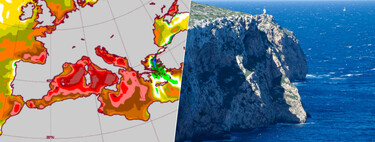
As Spain braces itself for the onset of its first significant heat wave of the summer, meteorologists are closely monitoring atmospheric conditions to better understand how we arrived at this climatic tipping point and when we can expect a reprieve from the extreme temperatures. This combination of science and urgency arises from the State Meteorology Agency (AEMET) , which recently issued a special notice for the heat wave expected to commence on Saturday, June 28, continuing through at least Tuesday, July 1.
The Impending Heat Wave
AEMET’s special notice alerts the public to prepare for soaring temperatures that will notably exceed seasonal norms. Heat waves are defined statistically as extreme weather events where temperatures significantly surpass average levels for a given time of the year. In essence, these heat waves represent a stark departure from what should be expected at the start of summer, placing considerable stress on both individuals and the environment.
Understanding the Heat Dome Phenomenon
The principal atmospheric mechanism responsible for this intense heat is often referred to as a heat dome . This phenomenon is characterized by the presence of a height anticyclone , which, when stationary, tends to trap warm air at lower altitudes. According to physicist Francisco Martín León, this anticyclone leads to an accumulation of heat, exacerbated by prolonged insolation and a stable atmosphere.
The Mediterranean is observing temperatures more than two degrees above normal, raising concerns for Spain
A Shared Atmospheric Dilemma
This peculiar heating isn’t just an isolated issue affecting the Iberian Peninsula. In fact, the heat dome covers a substantial portion of southern and southwestern Europe, compounding the challenges faced. This geographical reach hints at the broader implications of climate change, which is making these extreme weather patterns more frequent and more severe.
The Rising Mercury
With AEMET’s activation of yellow and orange alerts for extreme temperature, regions across Spain are bracing for highs ranging from 34º to 36º Celsius today, with certain locales predicted to reach even 40º . By next week, areas such as the Guadalquivir Valley could see temperatures soar beyond 42º , and some forecasts suggest that parts of Andalusia may even flirt with the 44º Celsius mark.
The Nighttime Challenge
Adding to the heat-related concerns are the anticipated minimum temperatures , which are projected to remain uncomfortably high at around 23º-25º across much of southern and Ebro valley regions. Such elevated nighttime temperatures create “ tropical nights ,” which can hinder restful sleep and exacerbate health risks for vulnerable populations, including the elderly and those with pre-existing conditions.
Meteosalud and Public Health Risks
Alongside AEMET’s alerts, Meteosalud , under Spain’s Ministry of Health, has also issued assessments pinpointing areas that present varying levels of health risks amid this heat wave. Regions like the Ebro River in Navarra, central Huesca, and the Tarragona depression are classified as high-risk zones, urging residents to take precautionary measures. These alerts are crucial as they empower the public to recognize the severe implications of this heat event.
This escalating heat wave presents not only an immediate challenge for individuals but also raises critical questions about the broader environmental impacts. Accumulated thermal energy in bodies like the Mediterranean Sea indicates longer-term climatic shifts that could have profound implications on local ecosystems, agriculture, and public health.
Image Credits: [ECMWF](https://charts.ecmwf.int/permalinks/500-hpa-geopotential-height-and-850-hpa-temperature-84497)
In conclusion, the impending heat wave serves as a stark reminder of the growing threats posed by extreme weather. It beckons individuals, communities, and authorities to prioritize adaptation measures and develop strategic responses to ensure collective well-being in the face of such climate anomalies.