
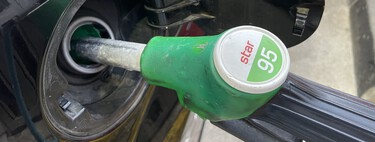
Spain is gearing up to receive 23.9 billion euros from Europe in the fifth tranche of European fund aid. However, this figure could have been even higher had Spain complied with all the conditions set by Brussels. The process resembles a video game , where completing levels results in monetary rewards, and one of the pivotal milestones was the increase in diesel taxes.
This compliance, or lack thereof, translates into 1.1 billion euros that Spain will forgo due to unmet commitments regarding fiscal reform and temporary employment legislation, both critical to unlocking the aid. The Next Generation funds represent a significant lifeline for Spain, and among the requirements is the controversial proposal to raise diesel taxes.
To tap into these funds, Europe has mandated several reforms. Two key reforms remain unfulfilled: the first concerns interim workers who Europe wants to transition into permanent roles without swelling the numbers of official staff. The second reform involves taxation , specifically focusing on diesel fuel. The failure to implement both has cost Spain an estimated 1.1 billion euros .
What do we pay? There has been sustained pressure from Europe for Spain to align diesel taxes with gasoline taxes. Currently, the Special Hydrocarbons Tax reflects significant disparities that favor diesel. Presently, the tax breakdown is as follows:
- 98: 431.92 euros /1000 liters or 0.432 euros/liter gasoline.
- No lead gasoline 95: 400.69 euros /1000 liters or 0.401 euros/liter .
- Diesel: 307 euros /1000 liters or 0.307 euros/liter .
In addition to this national component, the regional tax since 2019 averages 7.02 cents/liter . Adjusted for these rates, the Special Hydrocarbons Tax now breaks down as follows:
- 98: 0.504 euros/liter gasoline.
- 95: 0.473 euros/liter gasoline.
- Diesel: 0.379 euros/liter .
VAT, capped at 21% , also significantly escalates the final price, particularly for gasoline. On average, the current market price for diesel in Spain hovers around 1.425 euros/liter . Without taxes, the base price would be approximately 0.799 euros/liter , indicating that a staggering 56% of the price reflects tax obligations.
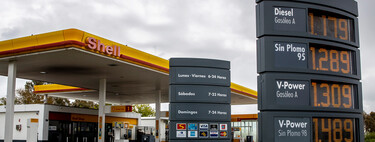
The end goal remains pushing for equal taxation of diesel and gasoline, driven by the higher pollutant emissions emitted by diesel vehicles. This includes measures aimed at reducing its use, and part of the strategy involves harmonizing fuel taxation across Europe.
However, introducing higher diesel taxes poses significant political risks. In April, Spain was pushed to reach an agreement to implement the tax hike, threatening the much-needed funds. The government appeared to have reached a tentative agreement to increase the diesel tax by 11 cents/liter but failed to finalize it.
The ambitious tax reform framework that was proposed never materialized—a setback arriving years after similar proposals had failed to gain momentum due to a series of crises, including the aftermath of the Coronavirus and the ongoing effects of the Ukraine War.
Historically, even before the recent proposals, previous governments projected tax increases on diesel, such as in 2018 , but these were considerably watered down, resulting in a general increase in fuel taxes. Pressure from Europe has since led to a streamlining of the increases across regional tax rates, which had been implemented since 2019 .
Approximately 18 million diesel cars are licensed in Spain, representing about 58.9% of the active vehicle fleet. This data underlines the significant reliance on diesel fuel, a legacy of the mid-2000s when diesel vehicles gained significant traction in the market. In 2007 , for instance, diesel cars dominated sales, highlighting a long-lasting trend.
The reluctance to implement tax reforms concerning diesel is understandable when assessing the social implications. Three out of five vehicles still rely on diesel, illustrating a complex feedback loop between consumer choices, existing fuel taxation, and environmental policies . As Europe pressures Spain to reform its fuel tax structures, the broader implications for society remain substantial.
Photo | Daniyar Orazov and Xataka