
Nuclear Cooperation: A New Era for European Defense
At the end of the 1950s, France, championed by Charles de Gaulle , pioneered a vision of strategic independence with its Nuclear Deterrence Policy . This doctrine suggested that, although the United States was a vital ally, its interests might not always align with those of Europe. Fast forward to today, this perspective resurfaces with a new Anglo-French alliance that reflects the profound changes in the geopolitical landscape of Europe.
An Unprecedented Agreement — The United Kingdom and France, currently the only two sovereign nuclear powers in Western Europe, announced a historic decision to coordinate their nuclear arsenals in response to any extreme threats jeopardizing continental security. This agreement, unveiled by British Prime Minister Keir Starmer and French President Emmanuel Macron during a significant state visit to London, marks a major shift in strategic cooperation. This move comes amid increased tensions stemming from Russian aggressive actions and growing uncertainty regarding American commitment under previous administrations.
Asterisk — While British and French nuclear arsenals remain technically independent , they are now poised for joint action in the event of conflict. This collaboration sends a decisive message to both allies and adversaries: Any severe aggression against either nation will invoke a unified response.
Differences Overcome by a Threat — The pact symbolizes a noteworthy reconciliation of historical divergences between London and Paris regarding nuclear strategy. While the United Kingdom has integrated its nuclear arsenal within NATO’s planning structure, relying on American-supplied missiles, France has passionately defended its approach to total sovereignty in deterrence, maintaining independence in its strategic decisions.
The decision for coordinated action reflects a shift from merging capabilities to synchronizing military responses, creating a united front against potential aggressions, especially in a context where transatlantic commitments may appear uncertain.
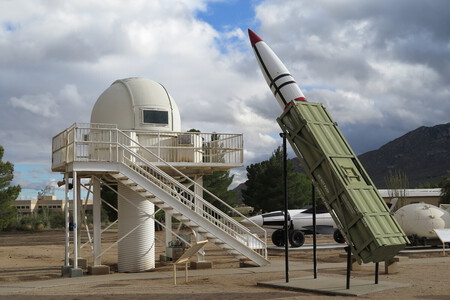
Storm Shadow Missile
Complement and Evolution — Both nations maintain comparatively modest nuclear arsenals relative to other major powers. The United Kingdom’s deterrence strategy hinges on Trident missiles , which are launched from submarines. Plans to augment this strategy with F-35A aircraft capable of delivering nuclear payloads have also been introduced. Conversely, France retains a fully national nuclear force that fuses maritime and aerial capabilities while investing in next-generation hypersonic missiles.
This new cooperation will enable synchronization of underwater patrols and scheduled maintenance, ensuring a constant military presence. Experts emphasize the significance of this agreement, noting that France had never previously publicly acknowledged any type of nuclear collaboration , indicating a considerable shift in nuclear doctrine.
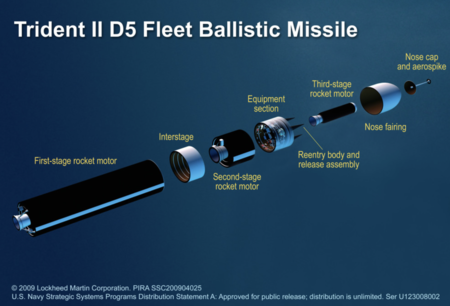
TRIDENT DIAGRAM
The American Umbrella — This strategic pivot towards coordinated nuclear deterrence is driven by both the escalating threat from Russia and the uncertainty surrounding American foreign policy. Past assumptions of a robust NATO nuclear shield are increasingly questioned, particularly given recent skepticism from former U.S. leadership about the effectiveness of alliances.
The Franco-British partnership assumes a vital role in providing a credible European alternative , aligning their military doctrines and delivering a clear warning to Moscow regarding the repercussions of its sustained aggression in Ukraine. This pact is designed to invigorate collaboration within the emerging Coalition of the Willing , a coalition of European nations committed to supporting Ukraine.
Challenges: Ukraine and Coalition — The agreement arises at a precarious juncture in the conflict in Ukraine, where promised military support has faltered. Starmer and Macron aim to regain momentum through a virtual conference with other leaders from allied nations to strategize for increased military aid.
However, not all coalition partners are united in their willingness to provide military assistance, highlighting the complexities of maintaining cohesion among nations with divergent interests. This joint nuclear initiative is integral to a broader diplomatic effort to assert European commitment in light of fluctuating American policies.
Friends After Brexit — This nuclear pact also embodies a thaw in relations between London and Paris, which became strained post-Brexit. Starmer and Macron have framed this renewed partnership as a pragmatic understanding centered not only on security but also on addressing challenging issues such as migration. Both administrations seek to negotiate an agreement to mitigate migrant crossings, addressing a concern that has significantly impacted bilateral relations.
The Lancaster Pact — The Franco-British alliance expands beyond nuclear capabilities, encompassing the joint development of new conventional military technologies under the Lancaster House 2.0 agreement . This updated treaty aims to create next-generation missiles to replace existing systems and bolster joint expeditionary forces .
Additionally, advancements in air-to-air missiles , microwave technologies, and sophisticated artificial intelligence systems are on the horizon, reinforcing the military capabilities of both nations. This cooperative endeavor further solidifies their positions as primary security guarantors within an increasingly unstable global context.
In conclusion, the resurgence of Franco-British nuclear cooperation represents a significant evolution in European defense strategy. As global tensions escalate and traditional alliances face challenges, this partnership not only redefines military commitments but also sets a new benchmark for security collaboration in an unpredictable world.