
Leica and Xiaomi: A Revolutionary Collaboration
This week witnessed two flagship presentations that shed light on the differing paths manufacturers foresee for the industry. Samsung unveiled the Galaxy S26 Ultra, showcasing its AI capabilities—three integrated assistants that act as an anticipatory brain for users. In contrast, Xiaomi’s presentation of the 17 Ultra focused on a different aspect: its sophisticated camera, primarily driven by the partnership with Leica.
A Genuine Partnership, Not Just Marketing
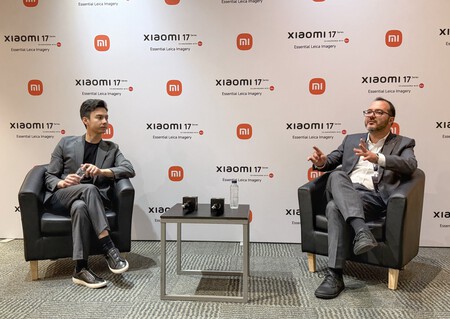
It’s crucial to recognize that the collaboration between Leica and Xiaomi transcends mere marketing hype. During an engaging session with TJ Walton, Xiaomi’s global product manager, and Pablo Acevedo, head of Leica’s mobile division, it became evident that this relationship encompasses a shared engineering approach. Both companies were involved right from the conception of the device, defining its core attributes through joint efforts.
The Depth of the Agreement
Walton reiterated the depth of this collaboration: “Everything from the beginning to the end of the imaging experience on our smartphones is powered by Leica.” This partnership goes beyond what many might consider a badge of honor; it involves intricate processes like color tuning and lens adjustments, all aimed at delivering an exceptional photographic experience.
However, it’s essential to note that Leica’s contributions to Xiaomi are selective. For instance, the Leitz Phone, a product marketed under Leica’s brand using Xiaomi’s technology, includes features like “content credentials,” which certifies image authenticity. The Xiaomi 17 Ultra lacks such credentials, indicating that while Leica supports Xiaomi significantly, it retains elements central to its brand identity for itself.
Shifting Dynamics in the Smartphone Market
The partnership exhibits a fascinating balance of power. While Leica bestows a layer of authenticity to Xiaomi products, it is clear that authentic experiences are prioritized for professional photographers. This co-creation model establishes distinct boundaries, emphasizing where Leica’s expertise ends and Xiaomi’s ingenuity begins.
While other companies like OnePlus and Vivo collaborate with established photography brands like Hasselblad and Zeiss, the underlying principle remains the same: leveraging a name with a rich history to instill confidence in customers wary of Chinese brands. As each generation of Xiaomi products infused with Leica technology emerges, there’s a slow normalization of Xiaomi’s photographic excellence.
The Future of Their Alliance
The day may soon arrive when Xiaomi no longer requires Leica to validate its identity in the market. This could lead to a situation where Leica finds itself sharing its prestigious aura with a brand no longer dependent on it. What Xiaomi gains—technology, scale, and relevance—will likely be permanently embedded in its offerings, while Leica’s brand image may face dilution over time.
This shift raises critical concerns regarding the future of Leica, a brand historically rooted in the concept of exclusivity, producing high-end cameras tailored for a niche audience. Now, its name graces a mass-market product, reflecting a significant paradigm shift in consumer technology.
The Balance of Power is Changing
Ultimately, what we witness is a silent shift in the technological prestige paradigm. For decades, Western brands like Leica defined excellence, but they now find themselves needing partnerships to maintain relevance in an evolving marketplace.
Leica is not a victim; it is making strategic choices but must be cognizant of the long-term implications. When a historic brand transitions from a status symbol to an endorsement others require for growth, the balance of power has undeniably shifted, even if the impact isn’t immediately visible in their pricing.
This collaboration between Xiaomi and Leica serves as a compelling case study on the shifting dynamics of technology and prestige in the smartphone market.