
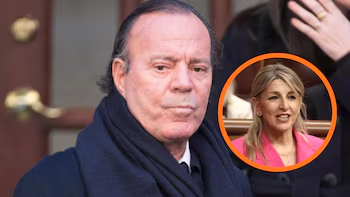
Julio Iglesias Takes Legal Action Against Yolanda Díaz
Julio Iglesias, the renowned Spanish singer, has launched legal proceedings against Yolanda Díaz, the Second Vice President of the Spanish Government. This legal action stems from statements made by Díaz, which Iglesias claims have severely tarnished his honor and reputation.
Claims of Sexual Abuse and Exploitation
The controversy ignited when Díaz made accusations of “sexual abuse” and described the existence of a “slavery situation” involving workers in Iglesias’ service. These comments were disseminated on the social media platform Bluesky. Julio Iglesias’ legal representative, José Antonio Choclán, has requested a public retraction of these statements from Díaz, emphasizing the damaging impact these claims have had on the venerable artist.
Choclán articulated the gravity of the situation, suggesting that such remarks, if left unaddressed, could lead Iglesias to escalate the matter to court. The request for rectification is not merely a formal demand; it reflects the serious implications of public statements made by a high-profile public figure.
Legal Grounds and Compensation Requests
In the formal legal document obtained by Europa Press, Iglesias’ team asserts that financial compensation is warranted due to the “serious social damage” attributed to Díaz’s assertions. The document characterizes her remarks as “insulting and slanderous,” underscoring the necessity for both reputational and economic reparations.
The amount of compensation sought has not been specified but is implied to be substantial, reflecting the high stakes involved when reputations and livelihoods are publicly questioned. José Antonio Choclán highlights the need for accountability, signaling that Iglesias is prepared to defend his legacy.
The Broader Implications
This case shines a light on larger societal issues related to public discourse, particularly when it concerns allegations of misconduct. It underscores the responsibility public figures hold—both in terms of the statements they make and their potential impacts on others. In an era where social media amplifies accusations almost instantaneously, the implications of “cancel culture” and defamation become increasingly pertinent.
Conclusion: A Case to Watch
As the situation develops, it will be interesting to observe how the legal proceedings unfold and what repercussions this will have for both parties involved. Julio Iglesias has made a bold move in defending his reputation, and Yolanda Díaz’s response—and whether she complies with the request to rectify her statements—will be critical in the coming days.
The outcome may set precedents for similar cases in the future, thus calling for careful considerations around the allegations made in public spheres. This legal battle encapsulates not just personal stakes but broader themes of truth, justice, and accountability in contemporary discourse.