
Unraveling the Connection: Russian Technology in Middle Eastern Conflicts
In the evolving landscape of modern warfare, the remains of downed drones have emerged as crucial indicators of geopolitical alliances and technological advancements. In what could be termed “military archaeology,” engineers and analysts meticulously reconstruct these devices to uncover their origins and reveal the supply networks that bring them to combat. This practice not only serves military intelligence but also underscores the intricacies of modern conflict, demonstrating how a single technology can connect disparate global events.
A Drone’s Revelation
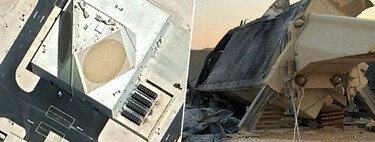
When a kamikaze drone recently struck the British air base at RAF Akrotiri in Cyprus, it initially seemed just another escalation in drone warfare in the Middle East. However, British intelligence uncovered a shocking detail: the drone housed a sophisticated Russian military navigation system, known as Kometa-B. Designed to resist electronic interference, this component enhances attack precision, raising alarms about the deepening ties between Iran and Russia.
Linking Two Fronts
The Kometa-B’s presence in a drone launched by an Iran-aligned group from Lebanon marks a significant revelation in regional conflict dynamics. This technology had previously been detected in drones deployed on the Ukrainian front, primarily used by Russian forces to navigate through hostile electronic landscapes. Its emergence in Iranian attacks reinforces concerns among Western intelligence communities regarding Moscow’s support to Tehran.
Strategic Cooperation
This incident illustrates a burgeoning relationship between Russia and Iran, especially evident since the onset of the Ukraine conflict. Once, Iran was instrumental in supplying Russia with drone technology, predominantly variants of the Shahed model, which have been adapted for assaults on Ukrainian infrastructure. Over time, insights gained from these operations have allowed Russia to refine its technology, producing versions enhanced with navigation improvements. The discovery at RAF Akrotiri suggests that components from the Russian military-industrial complex are now seeing action in broader conflicts involving Iran.
Intelligence Exchange in the Shadows
The drone discovery coincides with reports indicating that Russia may also be providing Iran with intelligence regarding US military movements in the Middle East. Access to Russian surveillance data would grant Tehran significant advantages in enhancing the precision of its attacks against Western military infrastructure, especially given its limited satellite capabilities. The implications of such intelligence sharing cannot be overstated.
A Broader Perspective on Global Warfare
The appearance of Russian technology in attacks on a British airbase signals an intertwining of the Middle Eastern conflicts with the ongoing geopolitical tensions between Russia and the West. For Moscow, instigating a broader confrontation that diverts US and European attention might hold strategic advantages—whether through rising oil prices or by complicating Western military engagements.
Although Russia maintains a stance of indirect involvement in the region, instances like these reveal the gradual intertwining of superpower strategies in less overt forms of warfare. As military technology and strategies circulate through unofficial channels, the landscape of modern conflict becomes increasingly complex, leaving global powers with an intricate web of engagements.
Conclusion
The implications of the Kometa-B‘s presence in warfare beyond its original theater reflect a compelling narrative of alliances and technological exchange that transcends borders. As conflicts grow ever more interconnected, keeping a vigilant eye on these developments will be crucial for understanding the evolving nature of global security dynamics.