
When you envision a lathe , you might think of workshops, fabrication sites, or even museums. However, encountering one in the breathtaking Dolomites of the Italian Eastern Alps comes as a surprise. Nestled amidst stunning landscapes and towering peaks, you might wonder why a turnstile would find its place here. The answer lies in a struggle against overtourism , which has become increasingly pressing in this beautiful but fragile ecosystem.
Local farmers in the Seceda area have taken this unusual step to control the influx of tourists flocking to the Dolomites. They installed this turnstile along popular hiking paths to limit access and impose a nominal fee of €5 for entry, primarily targeting visitors engulfed in their quest for the perfect Instagram snapshot. The farmers aim to protect their land from the aftermath of mass tourism that not only disrupts the landscape but also leaves behind a trail of litter and ecological damage.
An Unexpected Landscape
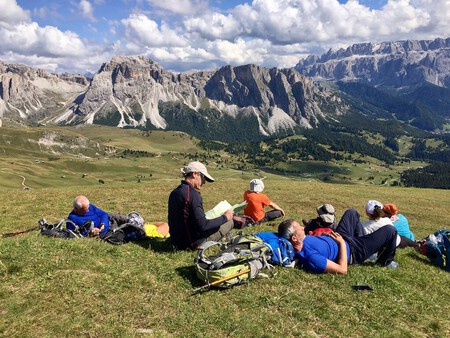
The Dolomites are renowned for their spectacular views and postcard-worthy landscapes. The Seceda Odle Panoramic Route in Val Gardena exemplifies this beauty with its lush green slopes, dramatic mountain peaks, and awe-inspiring sunsets. Yet, as of early July, a metallic turnstile, complete with a coin slot and a sign stating “ Entry for the famous Ruta de las Rocas €5 ”, has disturbed this serene environment. The picturesque pathways are now juxtaposed with the stark metallic structure, raising eyebrows among nature lovers and hikers alike.
Who Installed the Turnstile?
A collective of frustrated local farmers decided to combat the overwhelming tourist traffic along the paths by erecting this turnstile. The initiative originated from four landowners whose properties span the trail. As reported by The Telegraph , their dissatisfaction stems not just from the sheer number of visitors, which can peak at 8,000 per day , but also from the accompanying damage to their land, including trash left behind.
“While cable car companies profit significantly from these tourists, we are left to deal with the aftermath—damage, litter, and costs,” lamented Georg Rabanser , one of the landowners advocating for this measure. As a result, they decided to charge a toll of €5 (exempting children and locals) as a way to manage access and supervise payments.
A Controversial Initiative
The farmers’ move stirred considerable debate across Italy. The turnstile was dismantled shortly after it became a focal point of discussion, allowing hikers to resume their journeys without a fee. However, reports began surfacing that the turnstile was reinstated, accompanied once again by the contentious toll.
Calls for Action
Local farmers view the turnstile as a call to action for public authorities. They want to raise awareness regarding the impacts of overtourism on their lands. Rabanser expressed concerns about the lack of dialogue with local government officials and emphasized that while tourism boosts some sectors, it deteriorates farm operations, leading to damaged ecosystems.
Many have asked whether similar measures will proliferate across tourist regions in Italy. Although Italian law permits free access to public lands, it appears there is growing advocacy for specific areas to impose entry fees, similar to Via dell’Amore in Cinque Terre . This raises important questions about land ownership, public access rights, and environmental stewardship.
Complex Debate Ahead
The ongoing debate reflects a broader concern regarding sustainability in tourism. If farmers can impose tolls on their land, what implications does that have for other tourist-heavy regions? Some fear that such practices may prioritize profit over the preservation of natural landscapes. Moreover, environmental advocates are calling for comprehensive strategies that don’t rely solely on financial barriers to regulate tourist behavior.
In conclusion, the turnstile in the Dolomites exemplifies a tension between the joy of experiencing natural beauty and the reality faced by local inhabitants contending with the repercussions of mass tourism. The future sustainability of these iconic landscapes hinges on effective collaboration between local governments, landowners, and visitors committed to preserving the Dolomites for generations to come.